The Importance of an Ecommerce Welcome Email Series
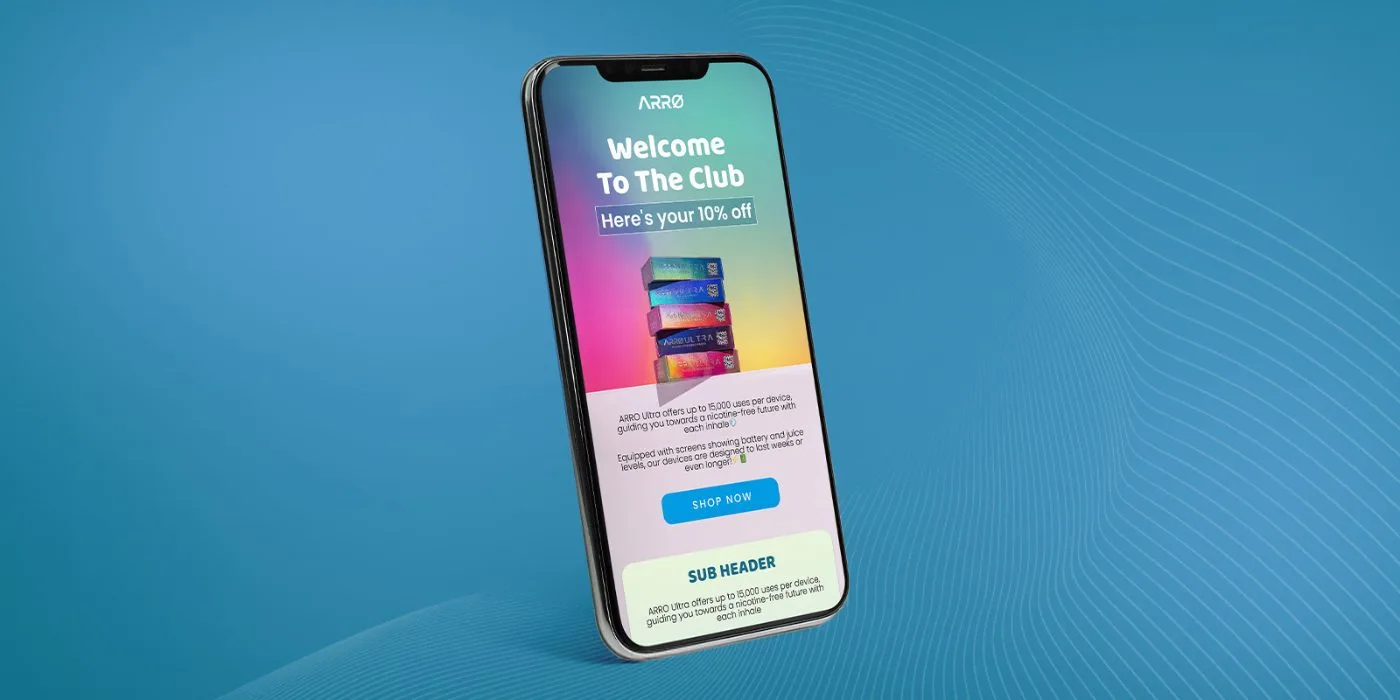
Your welcome emails set the tone for all future communications. Think of them as the digital equivalent of greeting someone at your store’s front door. When you create an ecommerce welcome email series, you’re not just sending emails, you’re crafting an experience that can make or break a customer relationship.
For a deeper dive into structuring and optimizing your first sequence, check the guide to the welcome series flow.
When you look at the numbers you’ll begin to understand why. Welcome emails have a high open rate teetering around 60%. This is above and beyond the norm if you compare it to the typical marketing email.
In terms of revenue, an ecommerce email welcome series typically generates 320% more revenue per email than other promotional messages. These stats highlight just how much potential lies in these initial communications.
First impressions last, and your ecommerce welcome email series needs to make that impression count. You’ll want to create a sequence that feels personal, adds value, and guides subscribers toward becoming loyal customers.
The Psychology Behind Welcome Email Series
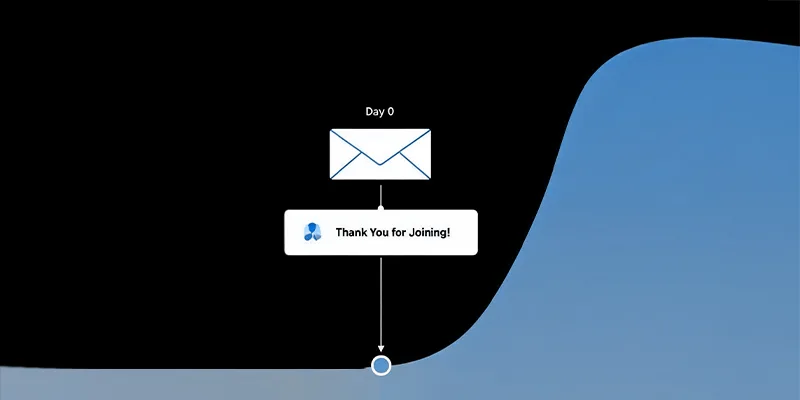
The moment someone joins your list, they’re at peak interest in your brand. That’s why timing your ecommerce welcome email series correctly matters so much. You need to tap into this initial excitement and curiosity while it’s fresh.
Waiting too long can make people lose interest so this is why it matters to have email automation in place. As soon as someone enters your list you need to hit them with the first jab.
Emotion
People make decisions based on emotional and logical factors. Your welcome sequence should address both. When crafting an ecommerce email welcome series, include elements that build trust while also presenting reasons why they should engage with your brand.
For example, if someone signed up for your email list because they were interested in a product that would help them get more dates, you’ll want to appeal to the emotion behind that right away.
You want to make them feel like there is no place on this Earth where they can receive information more valuable than what you’re going to give them over the course of a few days, weeks, months, and even years.
Logic
Understanding how customers make buying decisions shapes a successful ecommerce welcome email series. Customers need both emotional connection and logical justification for their purchases. They want to feel something…
But you also need to make sure to back it up with facts.
You’ll find that mixing emotional appeals with practical benefits works best. When someone sees both the rational value and emotional satisfaction in your offering, they’re more likely to convert.
Trust
Trust doesn’t happen instantly, it builds over time through consistent actions and transparent communication. Each email in your sequence should reinforce the fact that you’ve been in their situation and can help them. It’s okay to pull back the curtain and be vulnerable at times.
The Essential Components of Welcome Emails
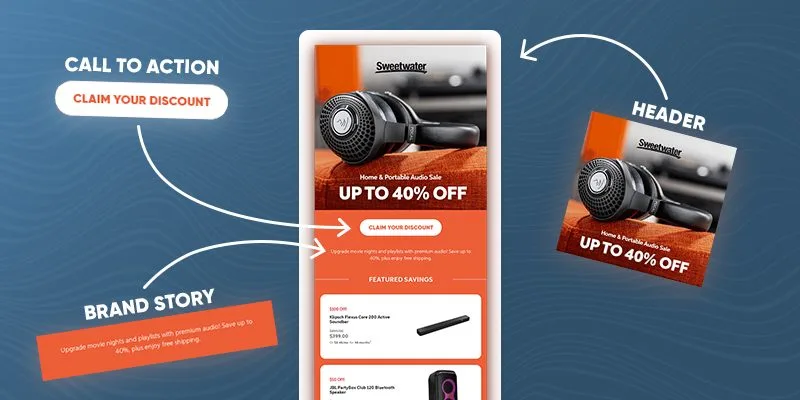
Now that you understand why welcome email flows are important, let’s talk about the practical steps in building the emails.
Subject Lines
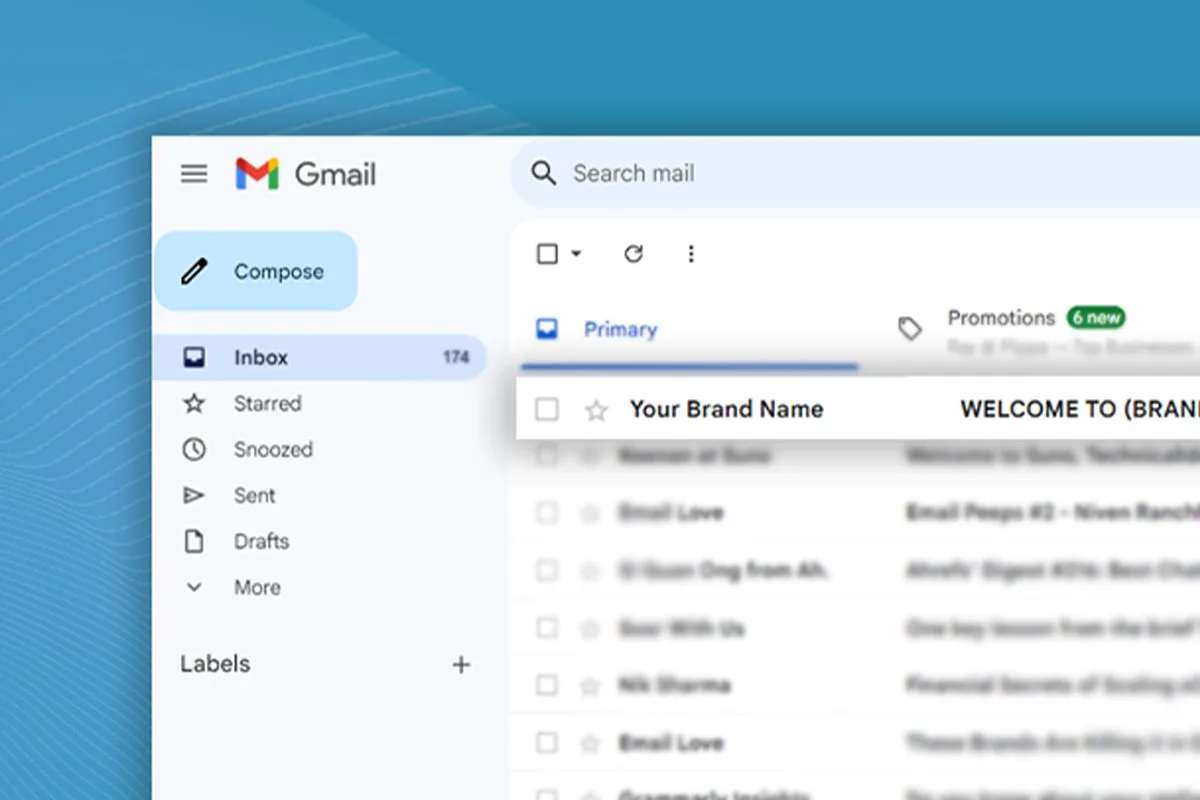
Your subject line makes or breaks your email’s success. A massive percentage of people will decide to open your emails based on the subject line.
Short, clear, and engaging subject lines typically perform best. You’ll want to test different approaches, but always keep the focus on value to the reader. Continue playing to that emotional side of marketing and you can reinforce your point with facts when they open it.
- Ask questions
- Create curiosity
- Tie features into benefits
- Keep subject lines short
- Make sure they align with your content
A big email marketing mistake people make is underestimating the importance of length optimization. If your subject line is too long, the subscriber might miss the point.
You need to get your point across quickly and clearly in the space available.
Power words can help your subject lines stand out, but don’t overuse them. Words that trigger emotion or curiosity often work well, but they should feel natural within your brand’s voice.
The Content
Okay, you got them to open it, great. Now what do you do?
Greet Them
Start your emails with warmth and personality. Use the subscriber’s name when you have it (and always have it), but make sure your greeting feels natural either way. Your tone should match your brand voice while remaining professional and welcoming.
Introduce Yourself
Remember… this is a welcome email. You might think they know who you are but they’ve taken the time to literally ask you to send them more stuff.
Connect with them, tell them your story, and be vulnerable. Share what makes your brand unique without overwhelming new subscribers. Focus on the benefits you bring to customers rather than just listing features and talking about how great you are.
Provide Social Proof
Real customer experiences carry weight. Including authentic customer feedback helps build credibility. Make sure any testimonials or reviews you share feel genuine and relevant to new subscribers. This is a situation where segmentation becomes very important. Make sure the social proof you provide really drives home the fact that someone just like them benefited from you.
Call-to-Action
You’re rounding third and headed for home. Without a clear call-to-action your subscriber has no idea what to do with the valuable information you just gave them. Every email needs clear direction. Your call-to-action should stand out visually while feeling like a natural next step. Consider using action-oriented language that creates a sense of forward momentum.
Email Performance
Surprise surprise, your email needs to actually work and look good for people to take you seriously. Yet as high as 42% of people are sending emails that look bad on smartphones.
1. Mobile Optimization
Most people check email on their phones, so mobile optimization isn’t optional. Every element of your ecommerce welcome email series needs to work perfectly on small screens. Test your emails across different devices and email clients.
2. Loading Speed
Large images and complex coding can slow down email loading times. Keep your designs clean and optimize all images for quick loading. Your ecommerce email welcome series should load instantly when opened.
3. Accessibility Standards
Make your emails readable for everyone. Use sufficient contrast between text and background colors. Include alt text for images and maintain a logical structure that works with screen readers.
4. Deliverability Factors
Getting to the inbox matters as much as what’s in your email. Set up proper authentication protocols and maintain clean lists. Monitor your sending reputation and adjust practices based on performance data.
Anatomy of a Perfect Welcome Email Series
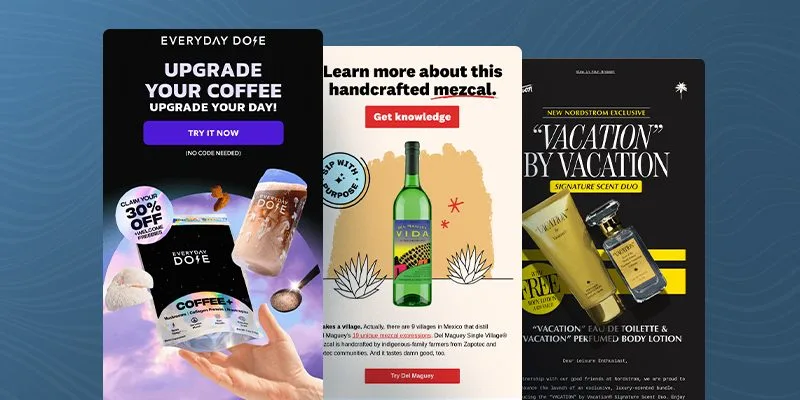
Email #1: The Initial Welcome
Your first welcome email needs to hit the inbox right away. Waiting even a few hours can dull out the initial excitement of a new subscriber. You’ll find that instant emails get better engagement rates and set the right tone for your ecommerce welcome email series.
Test the time you’re sending emails too. Sending it immediately is good for your first touch but after that
When putting the content together, start with a warm welcome that makes subscribers feel valued. Let them know what to expect from your emails and give them something valuable right away, whether that’s a discount, useful content, or exclusive access. You need to give them a reason to stay.
Next steps should be crystal clear. Tell new subscribers exactly what they should do next, whether that’s checking out your best-selling products or reading your getting started guide.
Key Objectives
- Start building trust immediately from the first touchpoint
- Show subscribers the value of signing up right away
- Create a positive first impression
- Provide an immediate benefit or “quick win”
- Reinforce their decision to subscribe
- Set expectations for future communications
- Guide them toward taking some form of action
Email #2: Building Value
When they open up that second email, it’s time to show off. Don’t just list products, tell stories about how they solve problems or improve lives. Show the real value behind your offerings.
Share knowledge bombs that help subscribers get more from your products. This might mean how-to guides, insider tips, or best practices. Make this content easy to digest and immediately useful.
Get subscribers involved with your brand. Ask questions, encourage feedback, or invite them to share preferences. The more they engage, the more likely they’ll stick around and buy. Ask them to follow you in other places like social media and preach the value of doing it.
Email #3: Developing a Relationship
You’re nearing the end of the courting stage and you’re ready to commit. This is when you want to connect your subscribers with the rest of their like-minded bunch. Share stories from other customers, highlight community achievements, or showcase how others use your products.
Mix different types of content to keep things interesting. Educational pieces work alongside entertaining content to create a well-rounded experience that keeps subscribers opening your emails.
Keep in mind that things can dull out around this time to effective email design that engages them will keep everything fresh.
Show them the meat and potatoes of your brand, the people behind the products, share your values, and be transparent about your processes. This builds connection and trust with your audience.
Email #4: The Conversion Driver
Present your products in a way that emphasizes value over price. Show how your offerings solve specific problems or fulfill particular needs. Make the benefits crystal clear.
Create a sense of momentum toward purchase. Use clear calls to action and make the buying process seem simple and risk-free. Remove any barriers that might stop someone from buying. Scarcity is also a great way to drive conversions.
Going back to the emotional factor; sometimes you need to make people feel like they need to take action right away or else they’ll miss out. FOMO is a real thing and if they’re making it this far through your email series, they’re highly interested in what you have, they just haven’t taken action yet.
Email #5: The Long-term Relationship Establisher
You bought the ring, it’s time to get down on one knee and seal the deal. Show subscribers what a long-term relationship with you brings. Give them reasons to stay engaged with your brand beyond their first purchase. Preview upcoming products, features, or content that’ll keep them interested.
Introduce your loyalty program if you have one. Show the extra value members get and make joining feel like a natural next step. Keep the focus on long-term benefits rather than just points or rewards. Consider starting a private group, Patreon, or some type of premium service that only a select few will be interested in, but you can charge a higher price for.
Always give subscribers control over their experience and let them choose the types of emails they want to receive and how often they want them. This reduces unsubscribes and increases engagement.
Strategies and Tips for Success
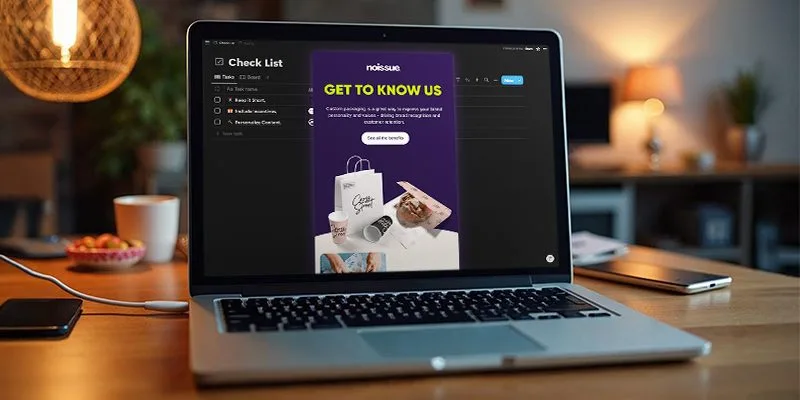
Let’s take it a step further. The whole point is to get your subscribers to do something whether that’s purchase, subscribe further, engage, call, or come into your location. Here’s some more information on how to take it to the next level.
Optimize Your Send Time
Getting your timing right makes a big difference in how well your ecommerce welcome email series performs. Start by looking at when your subscribers typically open emails. Some audiences check email first thing in the morning, while others engage more in the evening.
Test different send times for each email in your sequence. While your first welcome email should always go out instantly, later emails in your ecommerce email welcome series can be timed based on subscriber behavior.
Frequency Planning
Space your welcome emails to maintain interest without overwhelming subscribers. You might send the first two emails on consecutive days, then space the rest out more. Pay attention to your unsubscribe rates, they’ll tell you if you’re sending too much too fast. Aim for an unsubscribe rate of less than .1%.
A/B Testing
Set up proper A/B tests to improve your results. Test one element at a time so you know exactly what’s working. Keep track of your results and use them to refine your approach over time.
Behavioral Segmentation
Honestly, there are few things more important than how you segment your email list. You absolutely need to have email segmentation in place based on how people are engaging with you. Everyone shouldn’t be thrown into the same bucket. Understand the behaviors of different type of people based on how they ended up in your list and email them accordingly.
Demographic Targeting
Different age groups and locations might need different approaches. Your ecommerce welcome email series can speak to these differences through targeted content and offers that match each group’s needs.
Pay attention to what products or content categories draw your subscribers’ attention. You can use this information to send more relevant emails that match their interests.
Personalizing Everything
Gather useful data right from the start so you can begin segmented and personalizing your messaging. Your sign-up forms can collect key information, but you’ll need more than that:
Keep initial data collection focused and minimal:
- First name
- Email address
- Basic preferences
- Location (if relevant)
Don’t ask for too much upfront because you might scare them away.
Track subscriber behavior:
- Email opens
- Click patterns
- Website visits
- Product views
- Purchase history
- Dynamic Content Usage
Make your emails adapt to each subscriber. Show products they’re likely to want based on their behavior. Change content based on their location or other relevant factors.
Set up smart triggers that respond to subscriber actions. If someone clicks a specific link, they might need different follow-up emails than someone who doesn’t engage at all.
Of course, this can be complicated and it’s part of the reason why the best email marketing agencies are able to get success. At In-box, we can help you set up smart triggers and ensure that every step of your email flow works perfectly. Enquire today to learn more!
Measuring Your Success
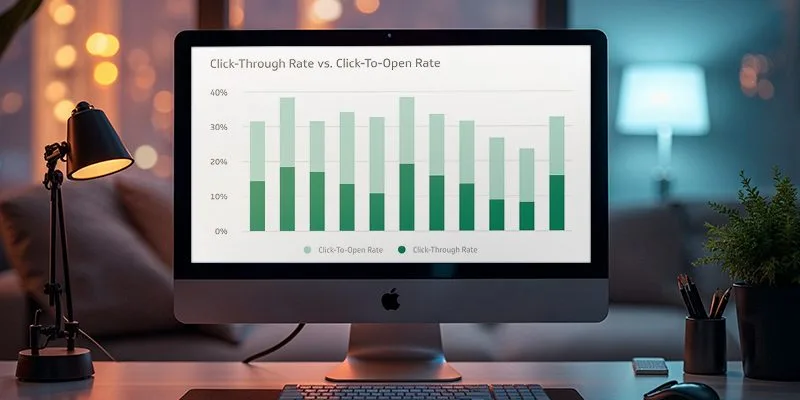
Tracking how people interact with your ecommerce welcome email series tells you what’s working. Watch your open rates across the sequence, they should stay strong even as you move through the series. Click rates show if your content drives action.
Keep an eye on how long people spend reading your emails. This insight helps you understand if your content hits the mark or needs adjustment.
Conversions
Sales tell the real story of your ecommerce email welcome series success. Learn the formula behind tracking conversions and see how many people actually buy something during the welcome series. Track how many new subscribers buy during the welcome sequence. The bottom line is, are people buying stuff? If not, your emails aren’t working.
Connect your email metrics to your sales data. You need to know which emails drive the most revenue and which ones need help.
List Health
Watch your unsubscribe rates closely. A spike in unsubscribes might mean you’re pushing too hard or sending irrelevant content. Keep your bounce rates low by maintaining clean lists and following email best practices.
How to Test the Success of Your Ecommerce Welcome Series Flow
Test individual email components:
- Subject lines
- Preview text
- Email headlines
- CTA button text
- CTA button colors
- Image placement
- Content length
- Tone of voice
Take note of what was tested:
- Test duration
- Sample sizes
- Results data
- Key findings
Track performance:
- Open rates
- Click rates
- Conversion rates
- Revenue per email
Overcoming Certain Challenges
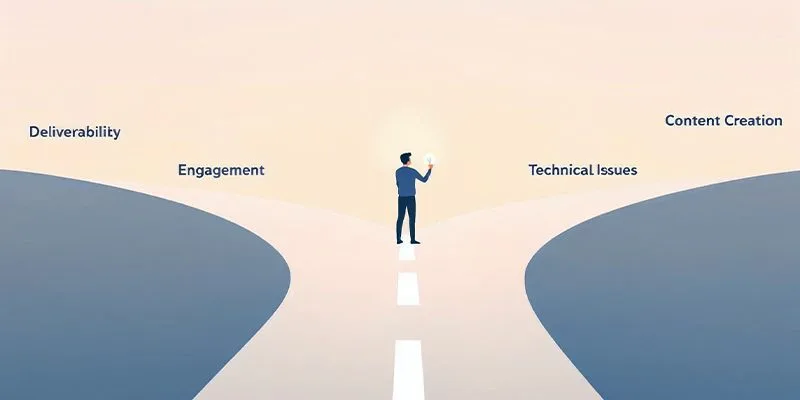
There are a few common issues that many people run into with their email flows. Examples are:
To make sure your strategy covers all key touchpoints, explore essential email flows for ecommerce that every store should have in place.
Deliverability Issues, Email deliverability makes or breaks your ecommerce welcome email series. Use authentication protocols like SPF and DKIM. Keep your sending reputation strong by following best practices.
Engagement Challenges, Sometimes subscribers don’t open or click as much as you’d like. Try refreshing your content, adjusting your sending times, or segmenting your list differently. Keep testing new approaches until you find what works.
Technical Problems, Some email clients might not show your emails as intended. Build your ecommerce email welcome series with these limitations in mind. Test across different email clients and devices to ensure good experiences for everyone.
Creating Content, Creating fresh, engaging content takes time and effort. Build a content calendar and bank some content ahead of time. Mix evergreen content with timely updates to keep your sequence running smoothly.
Advanced Techniques and Optimization
Using AI and Smart Segmentation
Smart data analysis takes your ecommerce welcome email series to the next level. Use AI tools to spot patterns in subscriber behavior and predict who’s most likely to buy. This lets you adjust your approach for different groups of subscribers.
Watch for signs that someone might not engage with future emails. You can often spot these patterns early and change your approach to keep subscribers interested.
Let AI help sort your subscribers into groups based on their actions. This goes beyond basic demographic splits to find patterns humans might miss. Your ecommerce email welcome series can adapt automatically based on these insights.
If you want to speed up your process, you can use my ChatGPT prompts to generate personalized and high-performing email copy in minutes.
Interactive Elements
Dynamic emails change how people interact with your messages. Instead of just clicking through to your site, subscribers can take action right in the email. They might browse products, fill out forms, or even start their purchase without leaving their inbox.
Make buying easier by bringing your store into your emails. Show real-time inventory levels and prices. Let people add items to their cart directly from your ecommerce email welcome series.
Future Trends in Email Welcome Series
Email keeps evolving, and your welcome series needs to keep up. New tools for personalization and interaction appear all the time. Stay current with these changes to keep your emails effective.
Take data protection seriously. Be clear about how you use subscriber information. Build trust by being transparent and giving subscribers control over their data.
Final Thoughts
Your ecommerce welcome email series sets the tone for your entire customer relationship. You have to get it right otherwise you’ll trip at the starting line and never have a chance to recover. Keep testing and improving your sequence over time.
Remember that welcome emails work best when they feel personal and valuable to subscribers. Always tie features into benefits. Talk about how a product will change their life, how it’s changed other people’s lives, and how you need it right now.
Take what you’ve learned here and start building or improving your own welcome series. Start with the basics and add more advanced features as you go. Keep watching your metrics and adjusting based on what you learn.
Does this sound like a bit much for you to handle on your own? Enquire today to learn more about what we do at In-box and how we can help!