Understanding Email Flows for Ecommerce
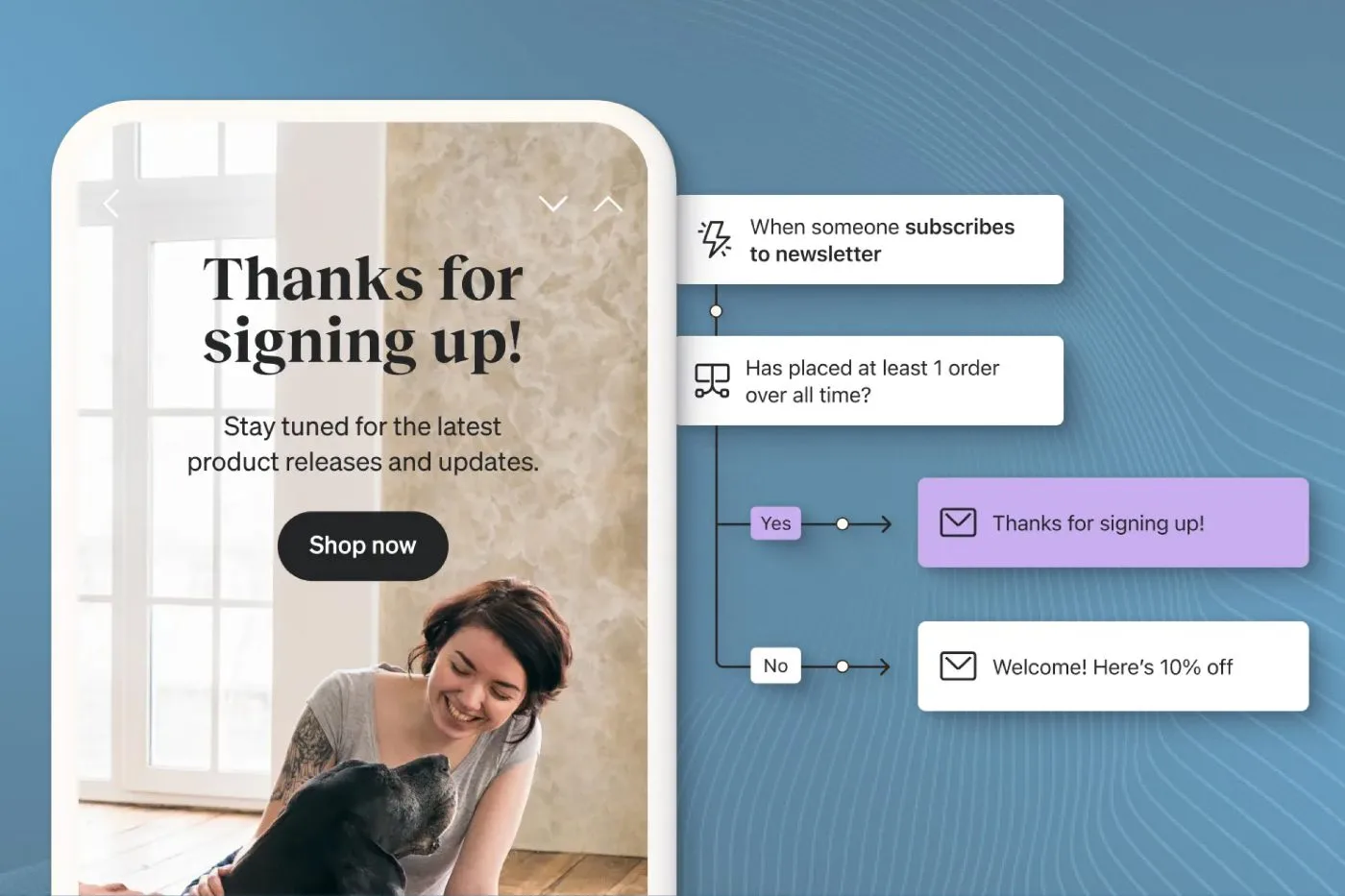
Your ecommerce email flow is like a digital sales team that works around the clock, 24/7 to nurture your customer relationships and drive sales. This is what makes it so different from a regular campaign.
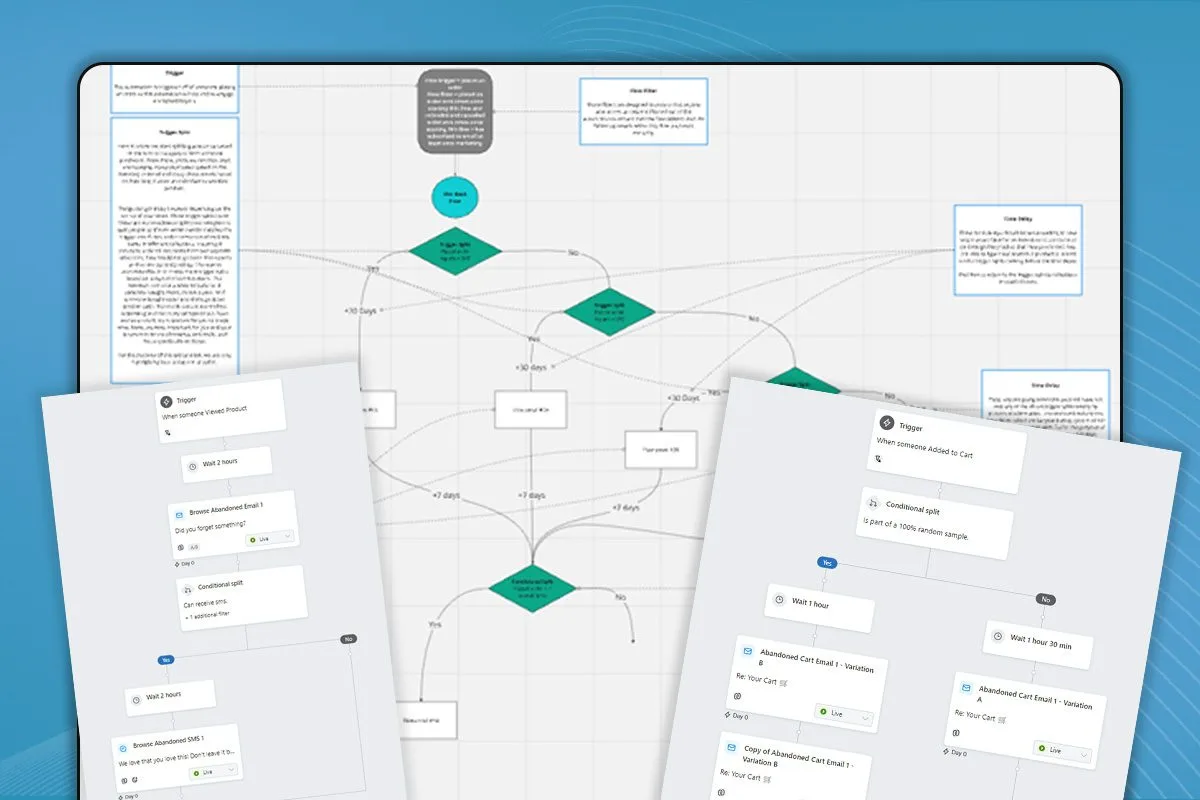
Automated ongoing sequences respond to specific customer behaviors in real-time. When they take an action, they get thrown into a pool of other people who took a similar action. This means that the email flow is designed specifically for them.
The magic of email flows lies in their ability to deliver the right message at exactly the right moment. When a customer browses a product, abandons their cart, or makes a purchase, your flow automatically triggers the perfect response. This ecommerce email strategy helps provide consistent experiences for your customers while saving you a ton of time in manual work.
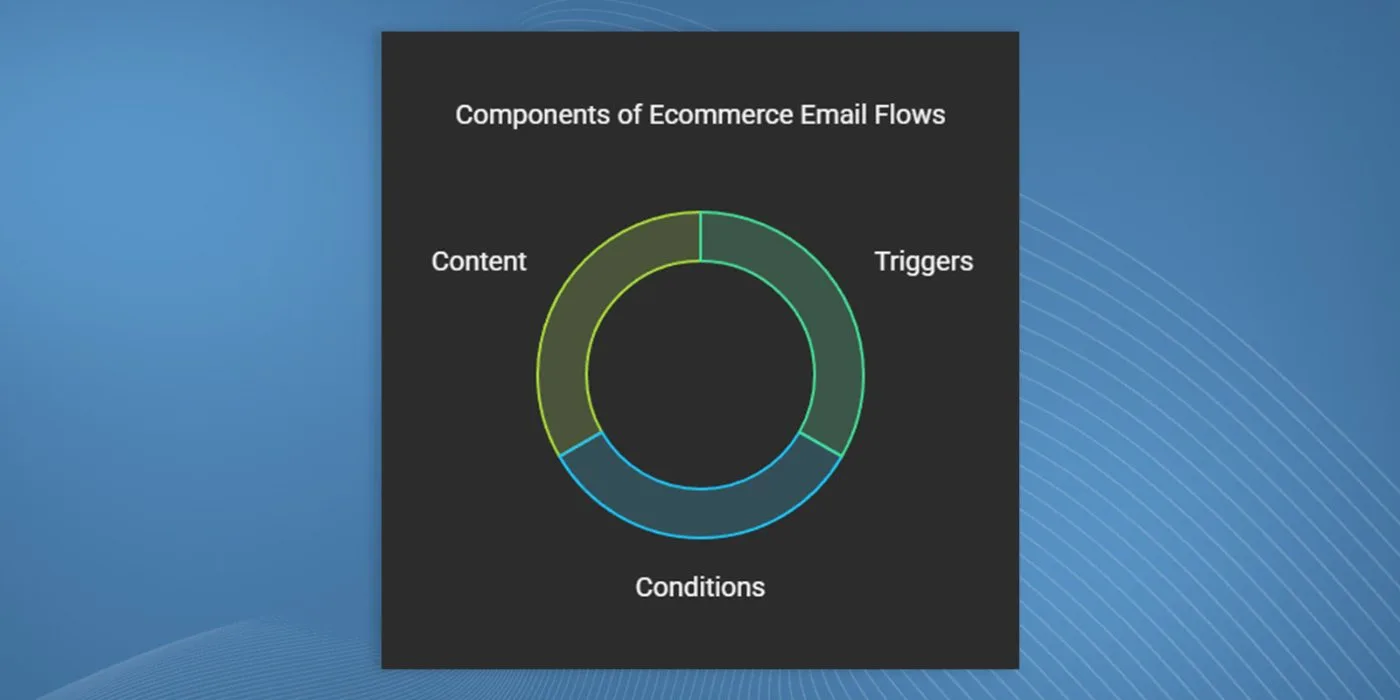
The three main elements that make automated email flows for ecommerce work are:
- Triggers
- Customer actions
- Time-based events
- Purchase behavior
- Website interactions
- Conditions
- Previous purchases
- Email engagement
- Customer segments
- Cart value
- Content
- Personalized messaging
- Product recommendations
- Incentives
- Social proof
The Benefits of Well Done Email Flows
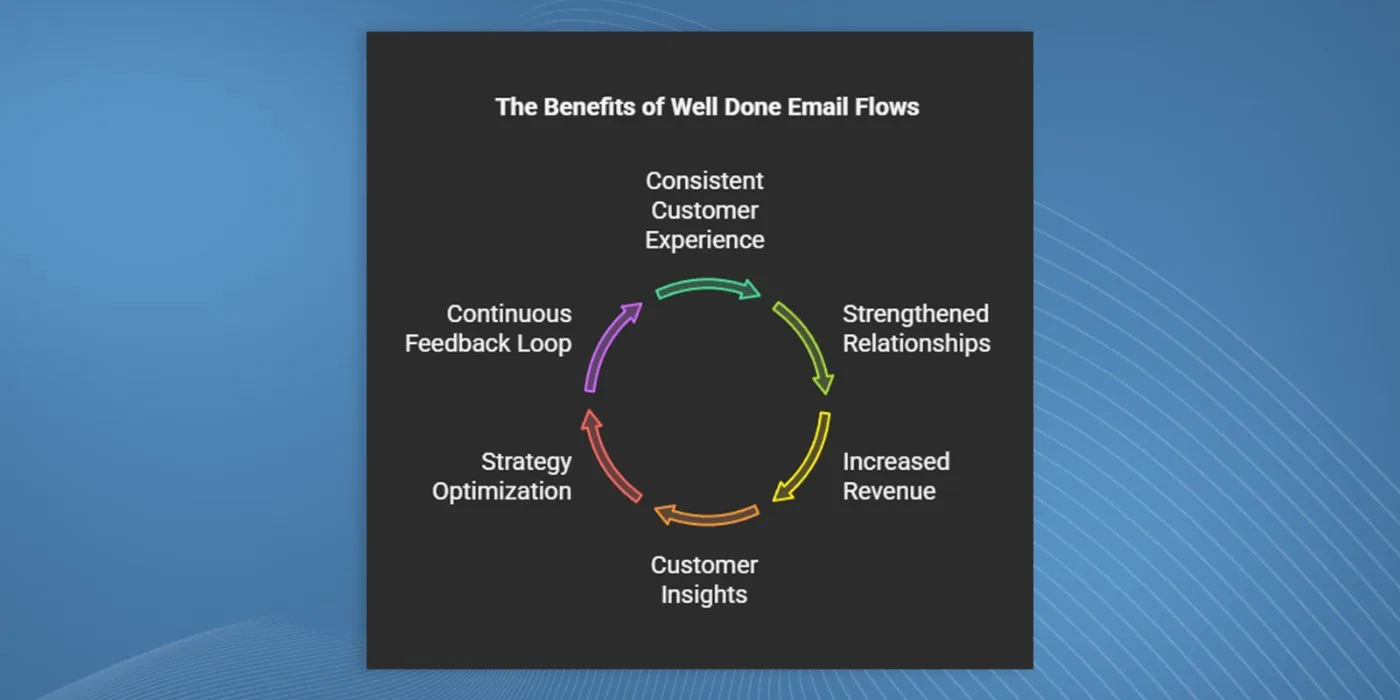
Automated flows create consistent customer experiences, strengthen relationships, and generate more revenue. They also give you a look into customer behavior patterns, helping you nail down a perfect strategy over time.
These flows also help you better understand your customers:
- Which products interest different customer segments
- When customers are most likely to make repeat purchases
- What messaging drives the highest engagement
- Which offers resonate with specific audiences
- How different customer groups move through your sales funnel
Best of all, flows improve over time. Each email sent gives you new data about what works and what doesn’t. This continuous feedback loop lets you test new ideas and maximize results with every iteration.
Setting Up Your First Ecommerce Email Flow
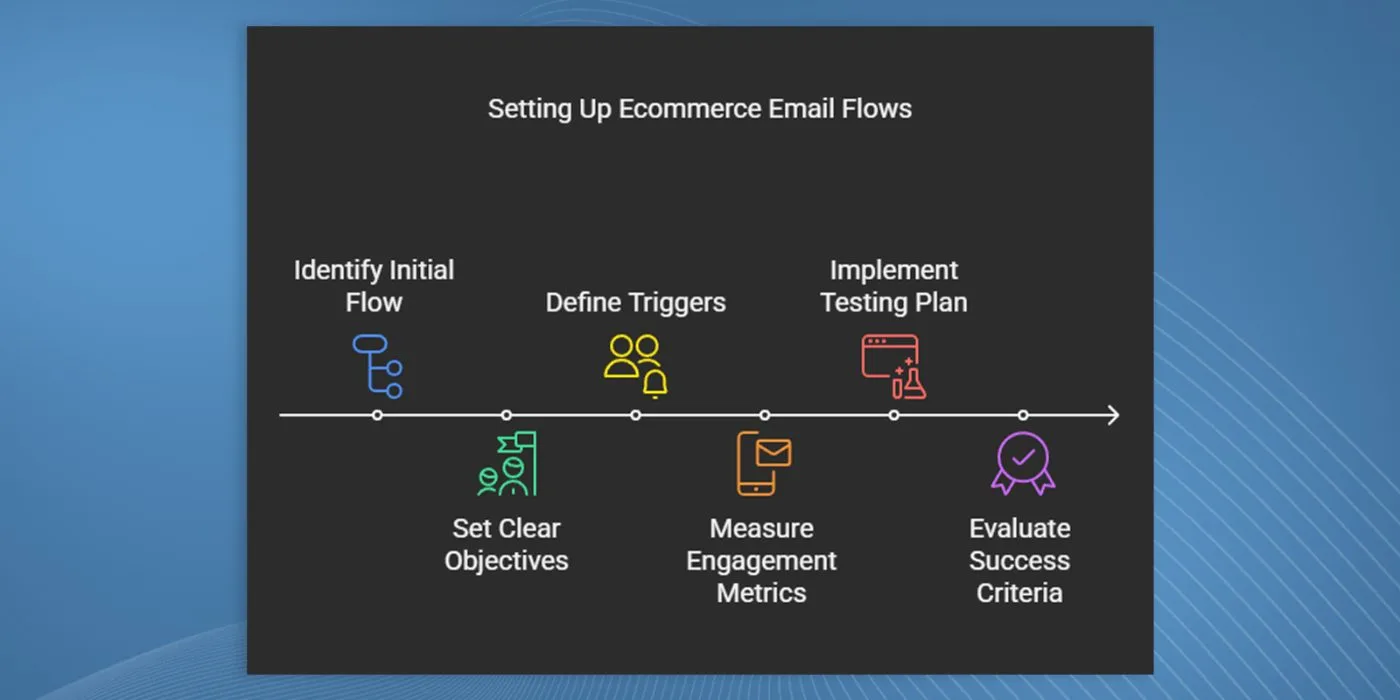
Starting with email flows doesn’t need to be overwhelming. Begin with one essential sequence, like a welcome flow or abandoned cart recovery. Perfect this flow before adding more to your automation strategy.
Your initial flow setup should include:
- Clear objectives
- Defined triggers
- Engagement metrics
- Testing plan
- Success criteria
Once you’ve covered the basics, your next step is perfecting your first sequence, and the welcome flow is the ideal place to start. Learn how to craft an engaging introduction for new subscribers in The Ultimate Guide to Ecommerce Welcome Email Series.
Essential Email Flows for Ecommerce
Welcome Flow
First impressions count in ecommerce so your welcome flow needs to set the tone for your entire customer relationship. With welcome emails seeing average open rates of 80%, you can’t afford to miss this opportunity to make an impact.
Getting your welcome sequence right means understanding the psychology of new subscribers. They’ve just taken that first step so they’re ready to engage and the sooner you get after them, the better chance you have of converting.
This golden window of attention lets you build trust and guide them toward their first purchase.
Your welcome sequence should include three key emails:
- Immediate Welcome (Send instantly)
- Deliver promised incentives
- Set communication expectations
- Include first-purchase CTA
- Brand Story (Send 2-3 days later)
- Share your unique story
- Highlight product benefits
- Feature customer testimonials
- Value Proposition (Send 3-4 days after)
- Showcase product range
- Present category bestsellers
- Add time-sensitive offers
Make sure each email in your welcome sequence has a clear purpose. Don’t overwhelm new subscribers with too much information at once. Space out your content and keep building interest with each new message.
Abandoned Cart Flow
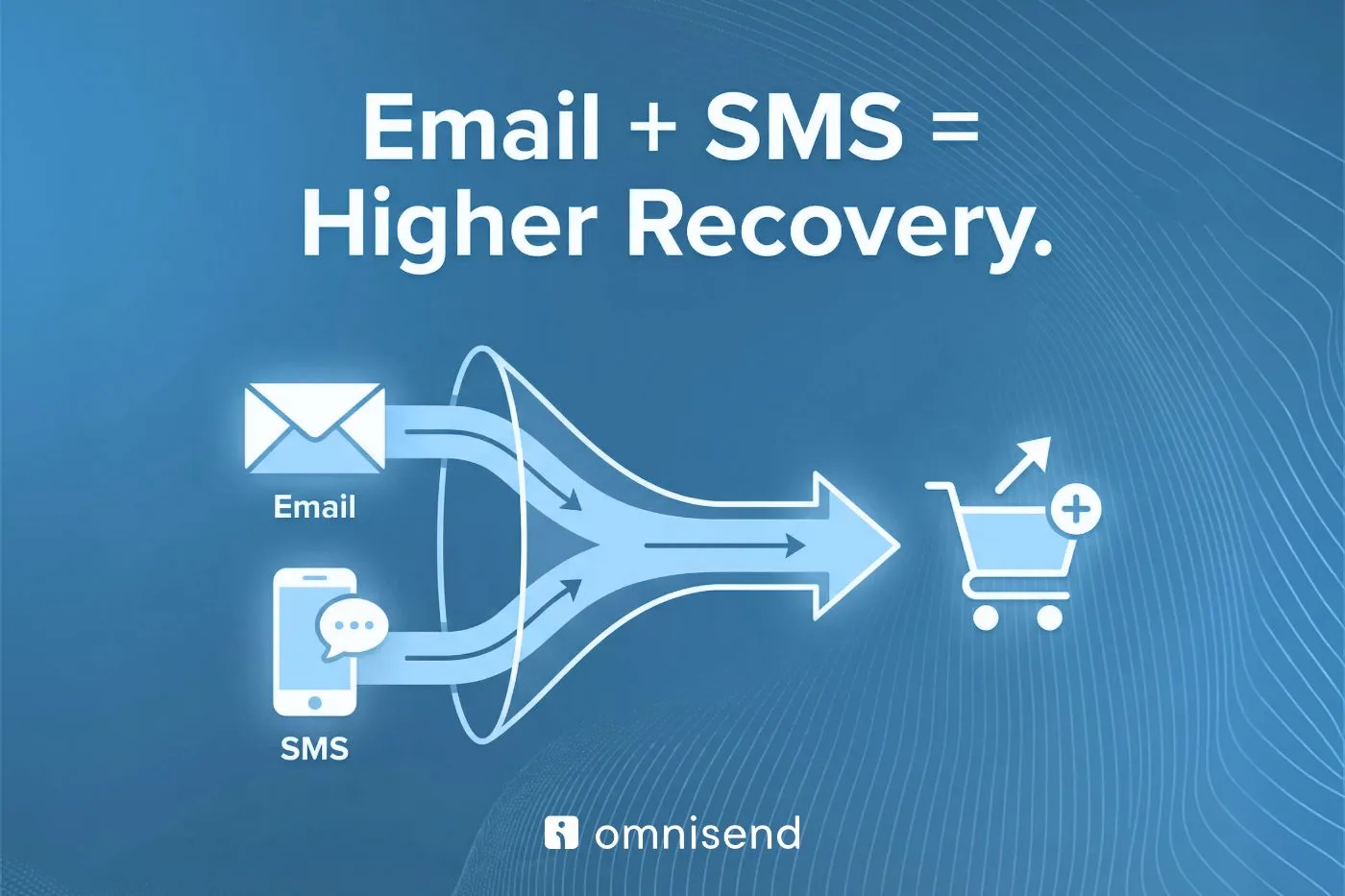
Seven out of ten shopping carts get abandoned. To build a strong recovery sequence, check out our detailed guide on Abandoned Cart Email Strategy: 12 Prime Examples to Steal. These are customers that were incredibly close to sealing the deal… but left at the last second. A well-crafted abandoned cart flow can recover these sales to help you increase revenue.
Your recovery sequence needs perfect timing. Send your first email too soon, and you might interrupt a customer who’s still shopping. Wait too long, and you’ll lose the momentum. Most successful flows follow this pattern:
- First Recovery (2-4 hours after abandonment) Send a helpful reminder about the items left behind. Don’t push for the sale yet, instead, ask if they need any help completing their purchase.
- Social Proof (24 hours later) Share reviews and testimonials about the abandoned products. This builds confidence in the purchase decision.
- Final Opportunity (48 hours after) Create urgency with a time-sensitive offer or highlight limited stock availability.
Common reasons for cart abandonment include:
- Unexpected shipping costs
- Comparison shopping
- Technical issues
- Payment concerns
- Lack of trust
Address these issues directly in your flow to increase recovery rates. Learn more about setting up an abandoned cart email flow here!
Post-Purchase Flow
The sale isn’t the end, it’s the beginning of a longer relationship. Your post-purchase flow should focus on building loyalty and encouraging repeat purchases through strategic communication.
- Order Confirmation
A comprehensive post-purchase sequence begins with an immediate order confirmation email.
This first touchpoint needs to do more than just confirm the transaction, it sets the tone for your ongoing relationship. Thank your customer sincerely for their purchase, give them clear order details, and set realistic delivery expectations. Include tracking information as soon as it’s available and make sure they know exactly how to reach your support team if they need help.
- Deliver Updates
Next up comes your delivery updates, which keep customers informed and excited about their purchase.
Start with a shipping confirmation that includes tracking details, then send strategic updates as the package makes its way to their door. Once delivery is confirmed, follow up with helpful resources like installation guides or care instructions.
This proactive communication reduces support queries and shows customers you care about their experience beyond the sale.
- Review Request
The review request phase requires careful timing and a thoughtful approach. Wait until you’re confident the customer has received their purchase and had enough time to use it. Your request should make the review process as simple as possible, one click should take them straight to where they need to go.
Consider offering small incentives for honest feedback, and don’t be afraid to send a gentle reminder if your first request goes unanswered. Customer reviews are gold for your business, so make gathering them a priority.
- Cross-Sell/Upsell
Finally, use your post-purchase flow to suggest complementary products that enhance your customer’s original purchase. This isn’t about pushing random items, it’s about thoughtfully recommending products that add genuine value. The biggest email marketing mistake that a lot of people make is not recommending the right products for an upsell.
Once your post-purchase and upsell emails are running smoothly, the next step is strengthening long-term engagement through customer rewards. Check out Crafting Effective Loyalty Program Emails to see how to keep your customers coming back with value-driven messaging.
Show them items frequently bought together with their purchase, suggest maintenance products they might need down the line, or introduce them to upgraded versions of what they bought. Timing matters here too, space these recommendations appropriately throughout your sequence to maintain engagement without overwhelming your customer.
Browse Abandonment Flow
When someone views products without purchasing, you’ve got an opportunity to bring them back. Browse abandonment flows work because the interest already exists, you just need to nurture it.
Your browse abandonment strategy should consider:
Time Since Browse:
- First email within 24 hours
- Second reminder 2-3 days later
- Final message 5-7 days after
Content Focus:
- Featured products viewed
- Similar alternatives
- Category bestsellers
- Customer reviews
- Limited time offers
Keep your tone helpful rather than pushy. These customers haven’t shown strong purchase intent yet, so focus on providing value and building interest.
Win-back/Re-engagement Flow
Every email list includes inactive subscribers. A strategic win-back flow can reactivate these dormant customers and boost your revenue through targeted messaging.
Start by defining what “inactive” means for your business:
- No opens in 90 days
- No purchases in 6 months
- No website visits
- No engagement with previous campaigns
Your win-back sequence might look like this:
- Initial Check-in (Day 1) Start with a friendly “we miss you” message. Remind them why they chose your brand initially.
- Value Reminder (Day 3) Showcase your best products, new arrivals, or improvements since their last purchase.
- Special Offer (Day 5) Present an compelling incentive to return, make it time-sensitive to encourage action.
- Final Attempt (Day 7) Last chance messaging with your best offer before marking them truly inactive.
Review Request Flow
Customer reviews build trust and drive sales. Your review request flow should make it easy for customers to share their experiences while maximizing response rates.
Timing matters more than you might think:
- Wait for delivery confirmation
- Allow proper product testing time
- Consider product complexity
- Account for seasonal factors
- Plan follow-up timing
Structure your review request series:
- Initial Request
Start with your initial request email, sent a few days after confirmed delivery. Begin by thanking them warmly for their purchase and express genuine interest in their experience.
Keep your ask straightforward, request honest feedback about their purchase and make the review process incredibly simple. One click should take them directly to where they need to leave their review.
Consider offering a small incentive, like a discount on their next purchase, and make sure to provide clear instructions on what the next steps are.
- Follow-up Reminder
If you don’t hear back after a few days, send a gentle follow-up reminder. Reference your previous request, they might have missed it in their busy inbox, and explain why their feedback matters to your business and future customers.
Some customers might feel uncomfortable leaving a public review, so offer alternative feedback methods like a private survey or direct email response.
Maintain a friendly, conversational tone throughout, and keep this reminder brief. You want to stay on their radar without becoming annoying.
- Final Ask
Your final request email serves as a last chance to gather their valuable feedback. Make it count by offering a stronger incentive than your initial request, perhaps a higher discount or special access to new products.
Express sincere appreciation for their time and business, and make it clear that you’ll welcome their feedback whenever they’re ready to share it. Share specific examples of how customer reviews have helped improve your products or business.
This transparency helps customers understand the real impact of their feedback and often motivates them to take action.
Cross-sell/Upsell Flow
Existing customers offer your best opportunity for additional revenue. Cross-sell flows suggest complementary products based on previous purchases and browsing behavior.
Segment your audience for better results:
- Purchase history
- Average order value
- Shopping frequency
- Product categories
- Seasonal buying patterns
Create targeted recommendations:
- Complementary products
- Upgraded versions
- Bundle offers
- New collections
- Maintenance items
See more email flow examples here!
Take it a Step Further
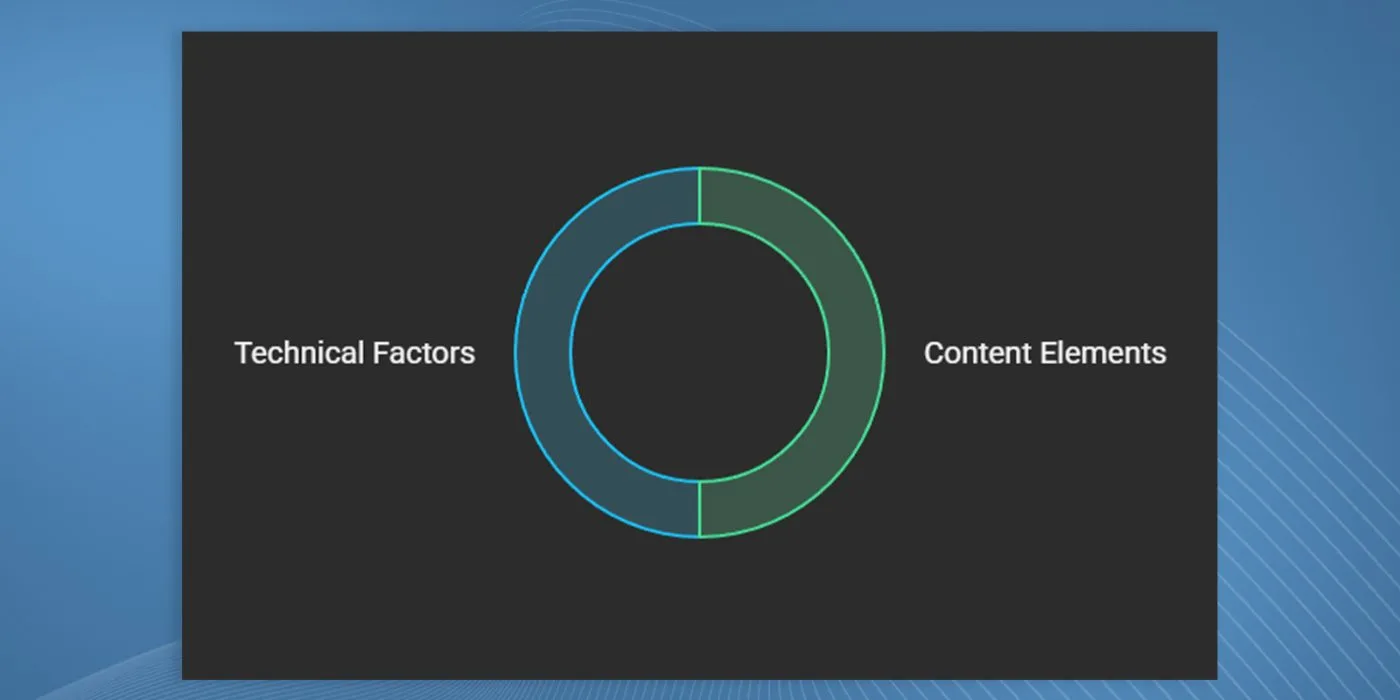
Success with ecommerce email flows requires a bit of testing and tweaking over time. Here are some factors you can adjust to see how they perform:
Content Elements:
- Subject lines
- Preview text
- Email copy
- Images
- Call-to-action buttons
Technical Factors:
- Send times
- Frequency
- Mobile optimization
- Loading speed
- Link placement
Remember to test one element at a time for clear results. Document everything and use your findings to improve future campaigns.
Integration and Tech Stack
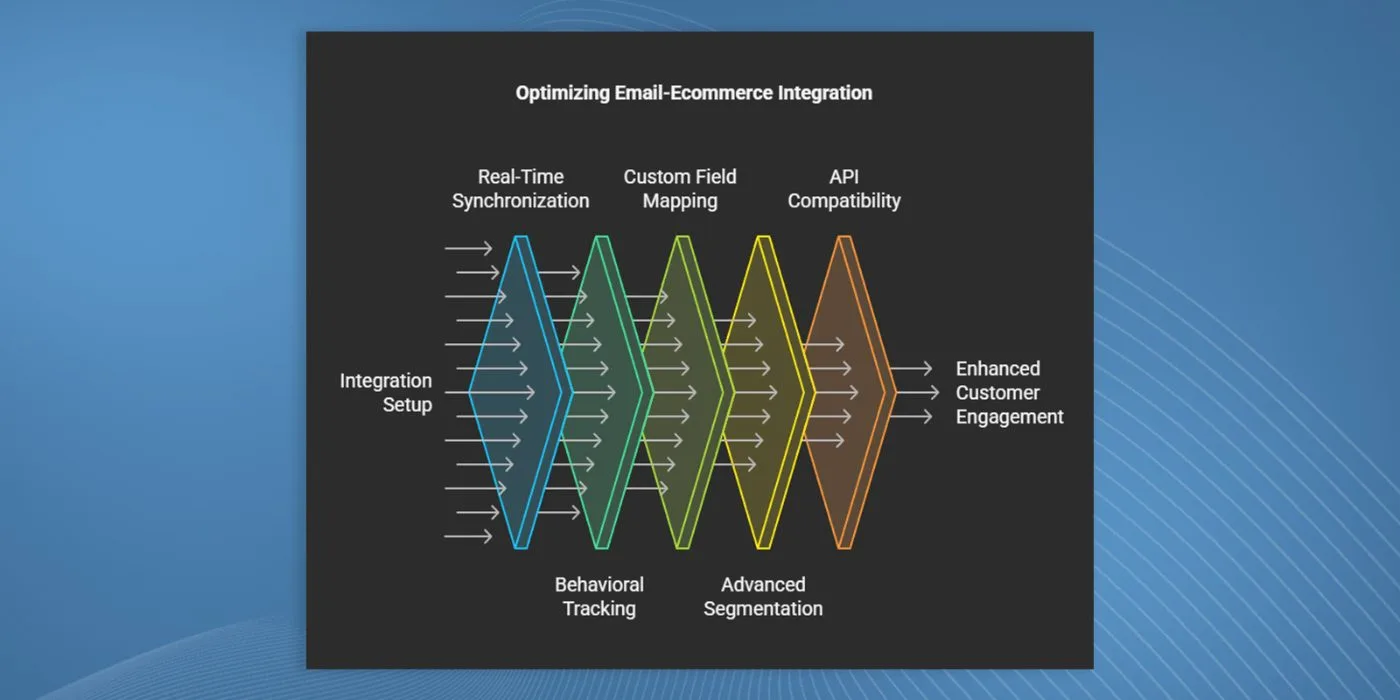
Your email platform needs to work seamlessly with your ecommerce system. Consider these factors when setting up your integration:
Real-time data synchronization stands as your most critical requirement. Your email platform should instantly reflect customer actions on your website, from purchases to cart updates to browsing behavior.
This immediate data flow enables you to send perfectly timed, relevant messages that catch customers at their peak interest. Delays in data syncing can lead to missed opportunities or, worse, sending outdated or irrelevant communications.
Your platform needs sophisticated behavioral tracking capabilities to understand how customers interact with both your emails and your website. This tracking should capture everything from email opens and clicks to product views and purchase patterns.
Combined with custom field mapping, this data creates a complete picture of each customer’s journey. You’ll want the ability to create and track custom fields that matter specifically to your business, whether that’s loyalty program status, preferred product categories, or customer service interactions.
Advanced segmentation capabilities transform raw data into actionable customer groups.
Your platform should let you slice and dice your audience based on any combination of behaviors, purchases, and characteristics. This segmentation power drives personalized communications that feel tailored to each recipient’s interests and needs.
The technical backbone of your integration deserves careful consideration. Look for robust API compatibility that allows for custom integrations when needed.
Data security cannot be compromised, ensure your chosen platform maintains current security certifications and follows best practices for protecting customer information.
Scalability matters too, your platform should handle your current volume easily while being ready to grow alongside your business.
Support quality often separates good platforms from great ones. You need reliable access to knowledgeable support staff who understand both email marketing and ecommerce. Regular platform updates and improvements show a commitment to staying current with industry changes and addressing user needs.
Mobile optimization isn’t just another feature on the checklist, it’s absolutely essential for modern email marketing.
More than 60% of email opens now happen on mobile devices. Your flows must look perfect and function flawlessly on every screen size.
This means responsive designs, fast-loading images, easy-to-click buttons, and readable text without zooming. Test every flow on multiple devices before launch to ensure a consistent experience for all subscribers.
Measuring the Results
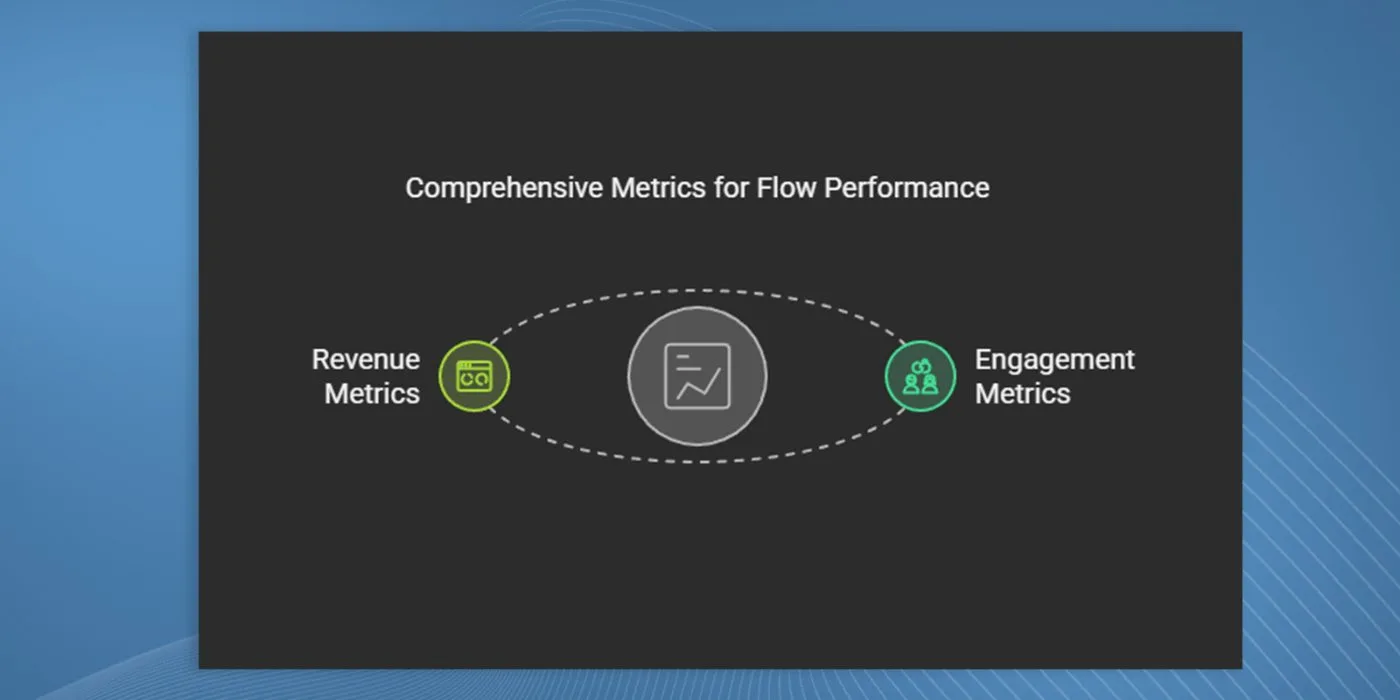
Track these key metrics for each flow:
Engagement Metrics:
- Open rates
- Click-through rates
- Conversion rates
- Revenue per recipient
- Unsubscribe rates
Revenue Metrics:
- Direct sales
- Influenced conversions
- Average order value
- Customer lifetime value
- Return on investment
Compare your results against industry benchmarks, but focus more on improving your own numbers over time.
Final Thoughts
Email flows for ecommerce are always changing. AI and machine learning make personalization easier but it also creates opportunities for people willing to go the extra mile. You still need to deliver value to your subs and build relationships at the end of the day.
Ready to take your email marketing to the next level? At In-box, we specialize in creating data-driven email flows that convert. Our proven track record includes helping clients achieve a 921% increase in email revenue in just 30 days. Enquire today for a comprehensive account audit and discover how much revenue you’re leaving on the table.
Remember, successful email marketing isn’t just about sending messages, it’s about creating meaningful connections that drive sustainable growth for your business. Start implementing these flows today, and you’ll build a stronger, more profitable ecommerce operation for tomorrow.