What is an Email Marketing Audit?
An email marketing audit is an in-depth examination of your email marketing performance, health, and strategy. Think of it like an annual checkup for your email marketing, it helps you identify what’s working, what’s not, and where you can make improvements.
The audit covers everything from your subscriber list quality to your campaign performance and data.
You’ll look at your list, analytics, and strategy to understand how well different parts of your email marketing program work. This includes reviewing your contact data, how you segment your audience, your email templates, design choices, and more.
The goal?
To gather the insights you need to make smart, data-driven changes to your strategy.
How to Know if You Need an Audit
Many businesses wait until they notice problems but recognizing the early warning signs can help you address issues before they seriously impact your results.
Just like your car needs to be maintained regularly, your email marketing program needs a check-up every now and again.
Here are the key signs that indicate you need an email marketing audit:
- Declining Open Rates: Your open rates have dropped significantly over the past few months. This often signals issues with your subject lines, send times, or list quality. A drop of more than 15% from your baseline deserves immediate attention.
- Low Click-Through Rates: When your click-through rates start trending downward, it suggests your content might not resonate with your audience anymore. This could mean your offers aren’t compelling enough or your calls-to-action need work.
- Growing List but Stagnant Engagement: If your subscriber list is getting bigger but your engagement isn’t keeping pace, you might have issues with your list building methods or targeting. Quality matters more than quantity when it comes to email lists.
- Increasing Bounce Rates: More bounced emails than normal points to list hygiene problems. High bounce rates can damage your sender reputation and hurt your deliverability if left unchecked.
Even if you’re not seeing these warning signs, regular audits help you stay ahead of potential problems. Be proactive instead of reactive!
The most successful email programs include regular audits as part of their maintenance routine, they don’t wait for issues to surface before taking action.
Email Marketing Audit Benefits
Let’s look at what a well-executed email marketing audit can do for your program. The benefits extend far beyond just fixing immediate problems, they can transform your entire email marketing strategy.
Learn About Your Audience
An audit gives you deep insights into who your subscribers are and what they want from your emails. You’ll discover which types of content get the most engagement, what times your audience prefers to receive emails, and which segments respond best to different approaches.
This knowledge lets you tailor your content and timing to match your audience’s preferences. For example, you might find that your B2B subscribers engage more with early morning emails, while your retail customers prefer evening communications.
Improve Deliverability
Poor deliverability can kill even the best email campaigns before they reach your subscribers’ inboxes. An audit helps you identify and fix deliverability issues by examining bounce rates, spam complaints, and authentication protocols.
You might discover that certain email clients are blocking your messages or that your sending reputation needs work. These insights let you take specific actions to improve your delivery rates and ensure your messages reach their intended recipients.
Increase Engagement, Open Rates, and CTR
Through an audit, you’ll learn exactly which elements of your emails drive engagement. This includes understanding which subject lines get the most opens, which content formats encourage clicks, and what calls-to-action generate the best response.
Many businesses find that small tweaks identified during an audit can lead to significant improvements in engagement metrics. Something as simple as adjusting your subject line style or restructuring your email layout could boost your open rates and click-through rates substantially.
Find New Growth Opportunities
An audit often reveals opportunities you might have missed. You might discover untapped segments in your audience, new automation possibilities, or content types you haven’t tried yet.
These discoveries can open up new paths for growth and revenue. For instance, you might find that a segment of your list consistently buys specific products, leading to new targeted campaign ideas.
Improve ROI in the Long Run with Email List Health
A healthy email list is the foundation of successful email marketing. Regular audits help you maintain that health by identifying inactive subscribers, removing invalid addresses, and ensuring your segmentation strategy makes sense.
This maintenance pays off in the long run through better engagement rates, lower sending costs, and improved deliverability, all of which contribute to a stronger return on your email marketing investment.
Understanding Each Piece of the Email Marketing Audit
Let’s break down each component you’ll examine during an audit. Understanding these pieces helps you get the most value from the process and ensures you don’t miss anything important.
Performance
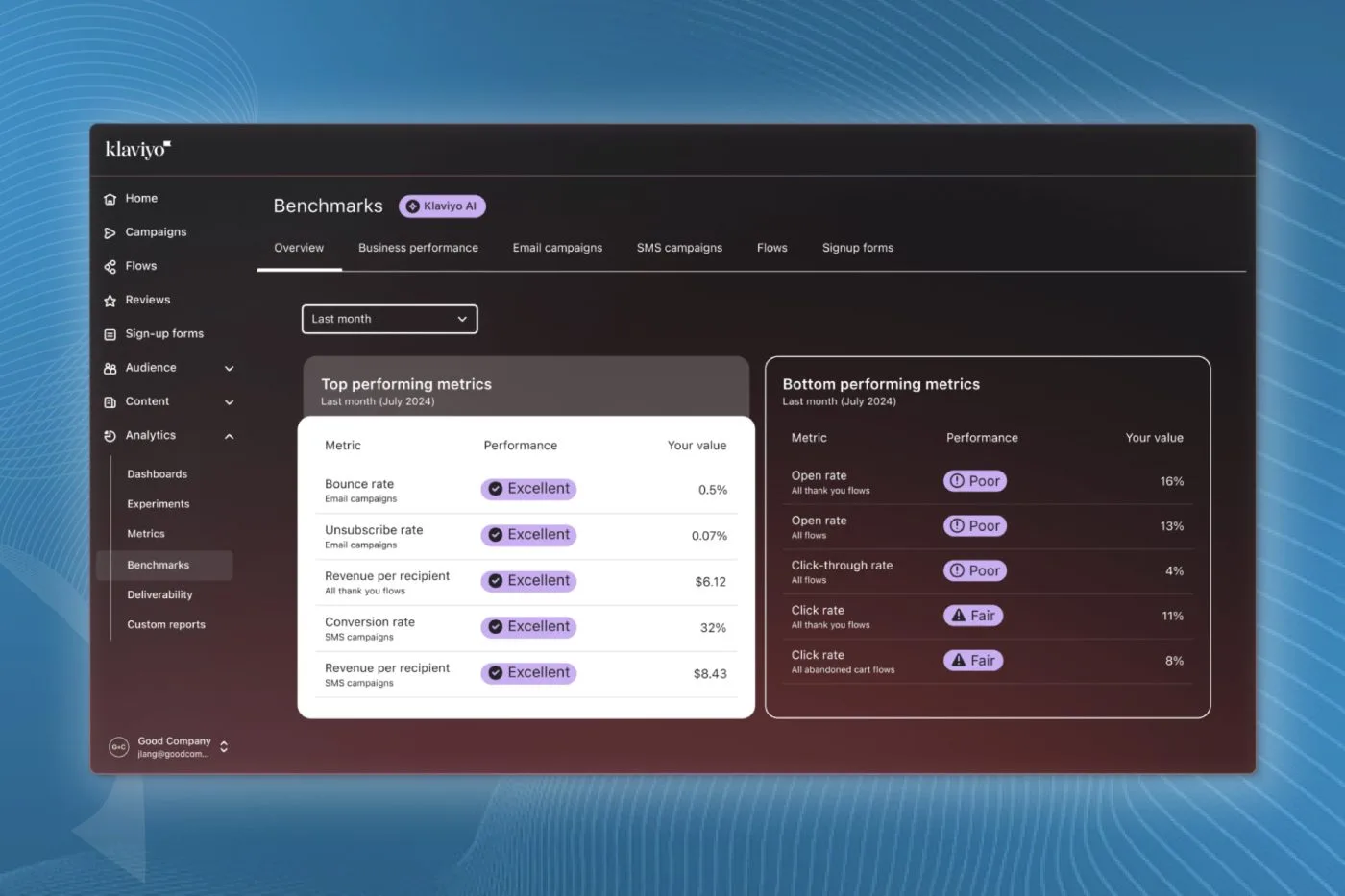
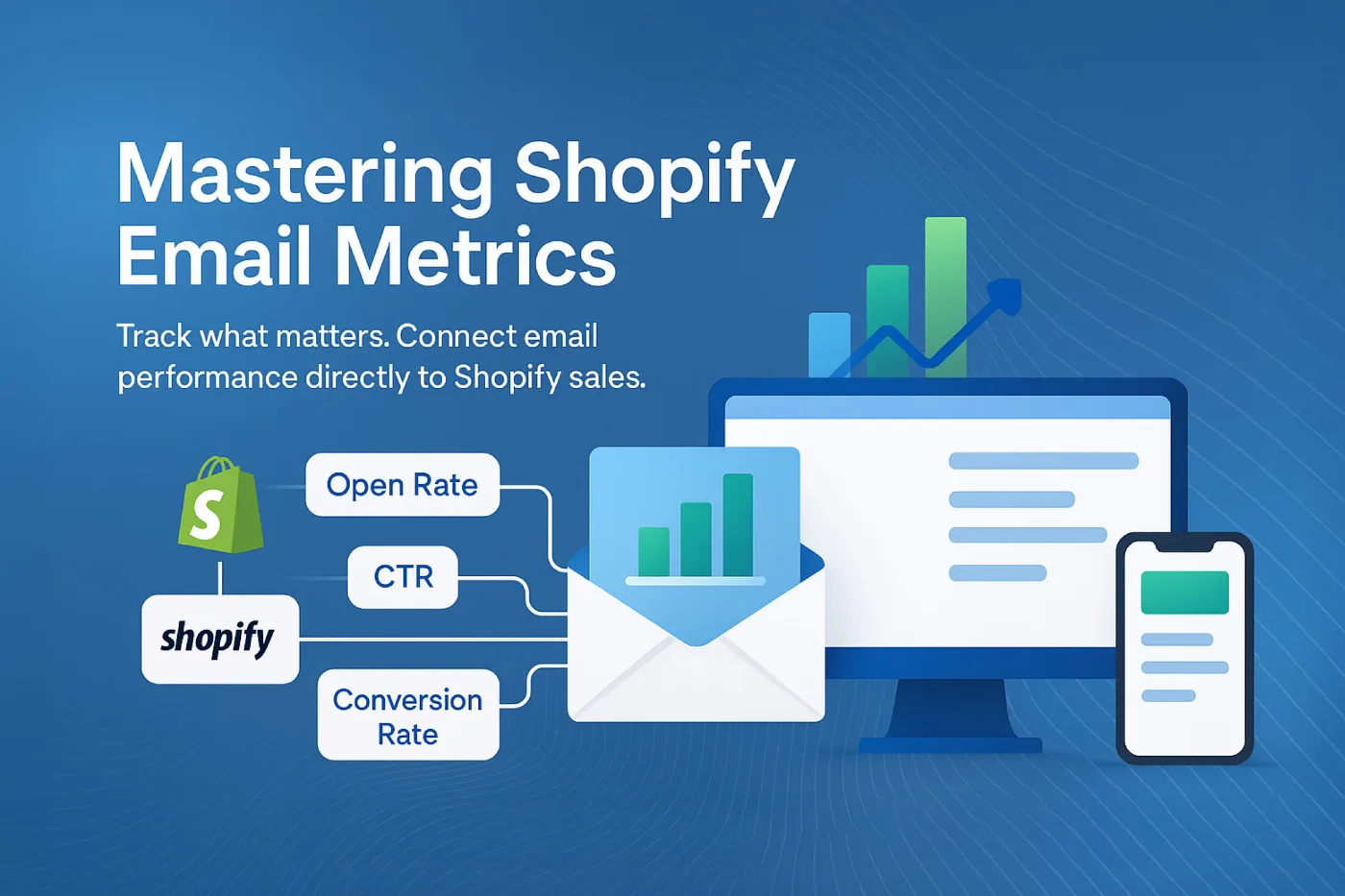
Start by looking at your campaign performance metrics. This means digging into:
- Open rates
- Click-through rates
- Conversion data
But don’t just look at the numbers, try to understand the story behind them.
Pay attention to trends over time. Are your metrics steady, improving, or declining? Look for patterns in high-performing campaigns. What made them successful? Was it the subject line, the content, the timing, or something else?
Your calls-to-action deserve special attention. Track which CTAs get the most clicks and what kind of placements work best. You might find that button-style CTAs outperform text links, or that placing your main CTA above the fold leads to better results.
Content and Design
Your email content and design work together to engage subscribers and drive action. Review your past campaigns with fresh eyes. Are you maintaining a consistent brand voice? Does your design make it easy for readers to scan and understand your message?
Look at how well your content matches your audience’s needs and interests. Are you providing value in every email? Check if your images enhance your message or distract from it. Make sure your designs work well on both desktop and mobile devices.
List Management and Targeting
Your subscriber list is one of your most valuable assets. Examine how you’re growing and managing it. Are you attracting the right subscribers? How effective is your list segmentation?
Check if you’re using subscriber data effectively for targeting. Many businesses collect valuable information but don’t use it to personalize their emails or create targeted segments. You might find opportunities to make your emails more relevant to different subscriber groups.
Compliance and Deliverability
This part of the audit looks at the technical health of your email program. Review your authentication records (SPF, DKIM, DMARC) and make sure they’re set up correctly. Check your sender reputation and look for any red flags that might affect deliverability.
Here are some free tools you can use to check your email program’s technical health:
- MXToolbox (mxtoolbox.com) Check your authentication records and identify potential delivery issues. It’s particularly useful for diagnosing SPF and DKIM problems.
- Google Postmaster Tools Monitor your domain reputation, spam rates, and delivery errors for emails sent to Gmail users. This gives you valuable insights into how Gmail views your sending practices.
- Mail-Tester (mail-tester.com) Test your emails before sending them to check for potential spam triggers and technical issues that could affect delivery.
- DMARC Analyzer (dmarcanalyzer.com) Review your DMARC configuration and get detailed reports about your email authentication status.
Make sure you’re following email marketing laws and best practices. This includes having proper unsubscribe mechanisms, honoring opt-outs promptly, and maintaining clear records of subscriber consent.
Automation and Workflow
Review your automated email sequences. Are they working as intended? Look for gaps in your automation strategy where you could better nurture subscribers or respond to their actions.
Check the timing of your automated emails. Sometimes small adjustments to send times or delays between messages can make a big difference in engagement. Make sure your automation rules still make sense for your current business goals.
Need some help understanding the connection between some of these steps and email marketing results? Check out our guide on email marketing case studies!
Email Marketing Audit Checklist
Now let’s get practical. Here’s what you need to examine in each area of your audit, along with specific actions to take based on what you find.
1. Your Email List
✓ Hard and soft bounce rates
✓ Invalid email addresses
✓ Role-based addresses (info@, admin@)
✓ Spam trap indicators
✓ List growth sources and their quality
✓ Subscriber engagement patterns
✓ Last 3-6 months of open data
✓ Potential re-engagement opportunities
Check for spam traps or role-based addresses (like info@ or admin@) that could hurt your sender reputation.
Review your list growth sources. Which signup forms or lead magnets bring in the most engaged subscribers? If certain sources bring in low-quality subscribers, you might need to adjust your list-building strategy.
2. Email Copy
✓ Overall tone and voice consistency
✓ Readability and scanning patterns
✓ Benefit-focused messaging
✓ Subject line performance
✓ Personal vs promotional approaches
✓ Preheader text effectiveness
✓ Call-to-action clarity
✓ Content relevance to segments
Analyze your most successful email copy. What tone works best with your audience? Are your emails easy to scan and understand? Make sure your copy focuses on benefits rather than features, and speaks directly to your readers’ needs.
If your open rates are low, try testing different subject line approaches. Personal or question-based subject lines often perform well.
3. Segmentation and Targeting
✓ Current segment definitions
✓ Demographic data usage
✓ Behavioral data integration
✓ Purchase history tracking
✓ Engagement-based groupings
✓ Segment size and effectiveness
✓ Content targeting accuracy
✓ Comparative segment performance
Look at how your list is divided up. Standard demographics are only the beginning, you want to look at behavioral data, purchase history, and engagement too. If you’re not using any type of segmentation then you’ll want to start with basic engagement.
If you’ve been segmenting your audience for a while, make sure the current factors still make sense for your audience. Your subscriber habits can change as does your business so you’ll want to adjust accordingly.
Segments that are too broad might be able to narrow in and focus on a more specific audience, ones that are too specific might need to broaden to find the right targets. This is why an email marketing audit is so important.
4. Frequency and Timing
✓ Overall sending patterns
✓ Signs of subscriber fatigue
✓ Unsubscribe rate spikes
✓ Best performing days
✓ Optimal sending times
✓ Time zone considerations
Review how and when you’re sending emails. Are you emailing too often or not often enough? Look for signs of email fatigue like dropping engagement rates or increasing unsubscribes after certain campaigns.
If you have an international audience, you might want to adjust your sending schedule. Some of the best email marketing platforms can automatically send based on each subscriber’s local time.
5. Deliverability
✓ Overall delivery rates
✓ Spam placement rates
✓ Sender reputation scores
✓ SPF records
✓ DKIM authentication
✓ DMARC policies
✓ Domain reputation
✓ IP reputation
Your deliverability rate tells you how many of your emails actually reach inboxes. Start by checking your overall delivery rates and spam placement rates. If more than 10% of your emails aren’t getting delivered, you’ve got work to do.
Make sure your SPF, DKIM, and DMARC records are set up correctly. These technical details make a big difference in getting your emails delivered to the inbox instead of the spam folder.
6. Design and User Experience
✓ Mobile responsiveness
✓ Email client rendering
✓ Template consistency
✓ Loading speed
✓ Font readability
✓ Color contrast
✓ CTA visibility
Your email design should make it easy for subscribers to get value from your messages. Check how your emails look across different email clients and devices. Pay special attention to mobile rendering, most people read emails on their phones now.
Your CTAs need special attention in the design audit. They should stand out visually and be easy to tap on mobile devices. Test different CTA styles, colors, and placements to see what works best for your audience.
Related Reading: Email Marketing Pricing Guide: Find Out How Much Agencies Charge For This
Tips for Maximizing Success
To get the most from your email marketing audit, keep these proven strategies in mind. They’ll help you focus your efforts and make better decisions about what to change.
Define Clear Goals and Objectives
Start with specific goals for your audit. You don’t need to examine every aspect of your email program if you’re facing specific challenges. For example, if your main issue is low click-through rates, focus your audit on content, CTAs, and design elements.
Write down what success looks like for your audit. Maybe you want to improve open rates by 10% or reduce your bounce rate to under 2%. Having clear targets helps you measure the impact of changes you make based on your audit findings.
Choose the Right Audit Tools
You’ll need the right tools to gather and analyze your email marketing data effectively. Your email service provider’s analytics are a good starting point, but you might need additional tools for deeper insights.
Consider using deliverability monitoring tools to track your sender reputation and inbox placement. Heat mapping tools can show you where subscribers click in your emails. A/B testing tools help you try different approaches and measure the results.
Remember that tools are only useful if you actually use the data they provide. Pick tools that give you actionable insights rather than just fancy charts and graphs. The best tools make it easy to spot trends and problems without getting lost in data overload.
Do Not Ignore Legal Analysis
Email marketing laws change regularly, and non-compliance can be costly. Check that your practices meet current requirements for data privacy and email marketing regulations. This includes GDPR if you have European subscribers and CAN-SPAM for U.S. recipients.
Make sure you have proper consent records for your subscribers. Double-check that your unsubscribe process works smoothly and promptly removes people who opt out. Review your privacy policy and make sure it accurately reflects your current practices.
Pay attention to how you collect and store subscriber data. You need clear permission to email people, and you should only collect the data you actually need. Regular audits help ensure you’re protecting subscriber privacy and staying within the law.
Clean Up Your List
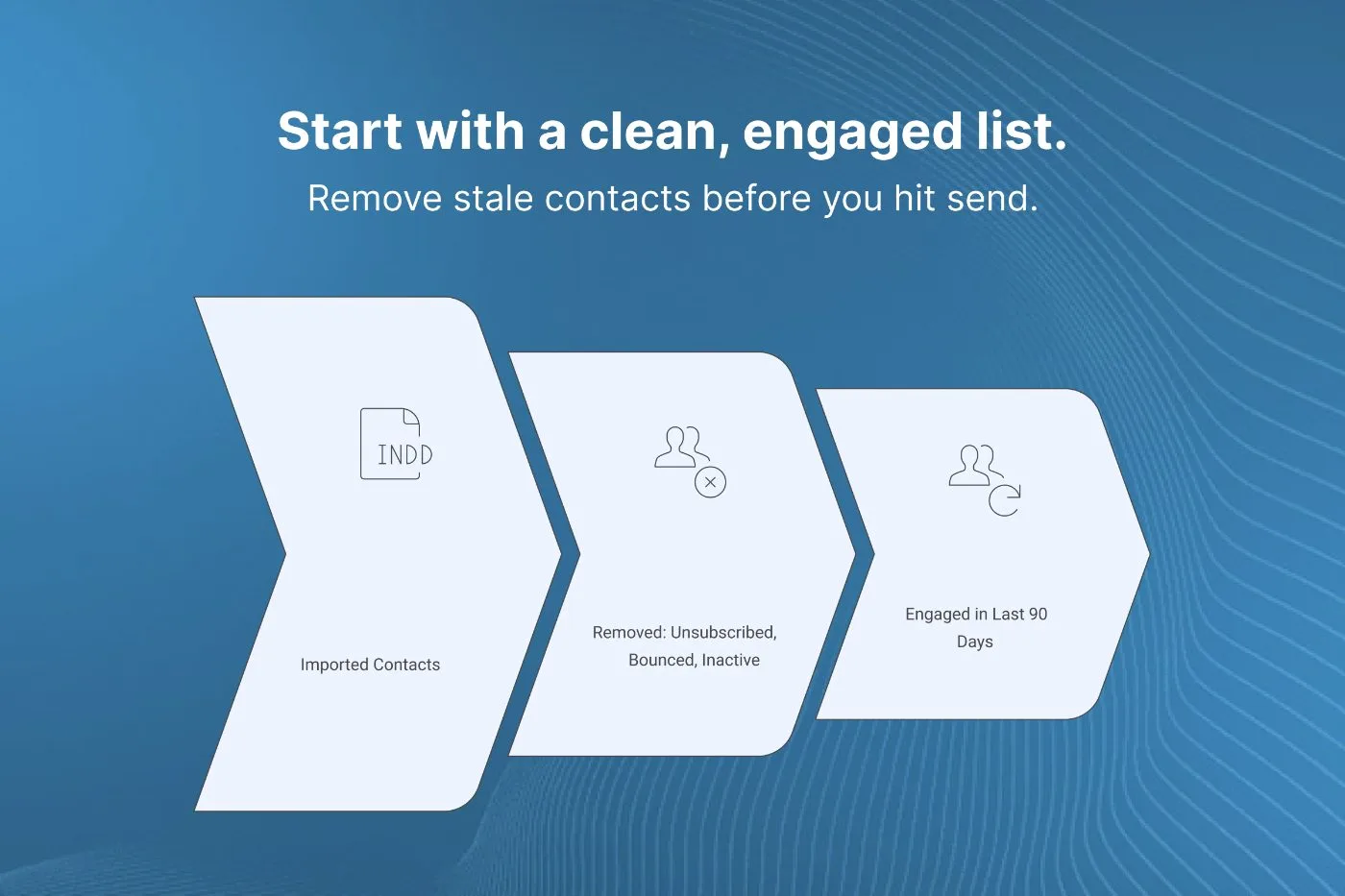
List cleaning is one of the most powerful improvements you can make to your email program. Start by identifying inactive subscribers, people who haven’t opened your emails in the past 3-6 months. Consider running a re-engagement campaign before removing them.
Look for signs of poor list hygiene like high bounce rates or spam complaints. Remove invalid addresses and update records for subscribers who have changed email addresses. A clean list might be smaller, but it will perform better and cost less to maintain.
Here are some tools to help you clean and maintain your email list:
Email Verification Tools:
- NeverBounce: Verify email addresses in bulk and integrate real-time verification
- ZeroBounce: Includes spam trap detection and scoring system
- BriteVerify: Offers instant verification and detailed reporting
- EmailListVerify: Provides catch-all domain testing and syntax validation
List Management Tools:
- Neverbounce’s Bulk Email List Cleaning
- QuickEmailVerification’s Bulk Verifier
- Hunter.io’s Email Verifier
Duplicate Detection:
- Dedupely: Find and merge duplicate records
- WinPure Clean & Match: Advanced duplicate detection
- Optimove: Customer data platform with deduplication features
What You Should Do After Your Audit
Once you’ve completed your audit, it’s time to put your findings to work. Start by organizing what you’ve learned into three categories: what’s working well, what needs improvement, and what’s broken and needs immediate fixing.
Create a prioritized action plan. Focus first on fixes that will have the biggest impact on your results. Quick wins like cleaning your list or fixing broken links can show immediate improvements. Save more complex changes like redesigning templates or rebuilding automation flows for later phases.
Set realistic timelines for implementing changes. You can’t fix everything at once, and trying to do too much at once makes it hard to measure what’s working. Make one change at a time and track the results before moving on to the next improvement.
Track your progress against the goals you set at the start of your audit. Document what changes you make and their results. This information will be valuable for your next audit and helps justify the resources you’re investing in improvements.
Share your findings and plans with stakeholders in your organization. Help them understand what you’ve learned and how your planned changes will benefit the business. Clear communication helps ensure you get the support you need to implement improvements.
Remember that an email marketing audit isn’t a one-time project. Plan to review your program regularly, at least once a year, more often if you send high volumes of email or see signs of problems. Regular audits help you stay ahead of issues and keep your program performing at its best.
How In-box Can Help
Running an email marketing audit can feel overwhelming, especially when you’re juggling other marketing responsibilities. That’s where having an experienced partner makes all the difference. In-box brings years of email marketing expertise to help you get the most from your audit.
We start by understanding your goals and challenges. Our team knows what to look for and how to interpret the data to find opportunities you might miss on your own. We’ll help you prioritize improvements that will have the biggest impact on your results.
Our audit process goes beyond just collecting data, we provide practical recommendations you can implement right away. We’ve helped businesses of all sizes improve their email marketing performance through careful auditing and strategic improvements.
Schedule a consultation today!
Final Thoughts
An email marketing audit might seem like a big undertaking, but it’s one of the most valuable investments you can make in your email marketing program. By understanding what’s working and what isn’t, you can make informed decisions about where to focus your efforts.
Start small if you need to. Pick one area that needs attention and begin there. You might be surprised by how much improvement you can see from addressing even a few key issues identified in your audit.
Remember that email marketing is always evolving. New best practices emerge, subscriber preferences change, and technology keeps advancing. Regular audits help you stay current and keep your program performing at its best.
If this seems like a little more than you’re willing to handle, that’s why we’re here. At In-box, we do this everyday. Schedule a consultation today to learn how we can help you clean up your list and increase your revenue through email marketing!