What is Email Marketing Segmentation?
Email marketing segmentation means splitting up your subscriber list into smaller groups based on things they have in common.
Instead of blasting the same message to everyone, you’ll send tailored content to different pieces of your audience. Think of it like having different conversations with different friends.
When you segment your email list, you’re recognizing that your subscribers aren’t all the same. Some might be first-time customers, while others have bought from you dozens of times. Some live in New York, others in London. Some always open your emails on their phones, others on desktop computers.
By seeing these differences and adjusting your messaging accordingly, you’ll create more relevant, personalized experiences for your subscribers.
As a result, you’ll get a higher open rate, higher CTR, and more. A simple subject line customization can bring a 26% increase in opens alone.
The Benefits of Segmented Email Campaigns
Let’s talk about what you’ll gain when you start sending segmented email campaigns to your list. The benefits go way beyond just better engagement, they impact your bottom line and long-term customer relationships.
Increase Open Rates
When you send more relevant emails, people are more likely to open them, it’s that simple.
Think about your own inbox. Which emails do you open first? Probably the ones that seem most relevant to your interests and needs. By segmenting your list, you write subject lines and content that speaks directly to each group so they feel like the email was written specifically for them.
For example, if you run an online pet store, you might send different emails to dog owners versus cat owners. A subject line like “New Premium Dog Food Just Arrived!” will naturally get more opens from dog owners than a generic “New Pet Products Available” message sent to everyone.
Not sure what your open rate is? It might be a good time to perform and email marketing audit. We wrote a whole guide on it here!
Increase Click-Through Rates
Once subscribers open your emails, you want them to take action. Segmented lists make this more likely because the content matches what that specific group wants to see. When the offers and information in your emails align with subscriber interests, they’re more likely to click through to learn more or make a purchase.
Going back to our pet store example, cat owners are more likely to click on articles about cat behavior or deals on cat toys than generic pet content. By targeting your content, you make it easier for subscribers to say “yes” to your calls to action.
Improve ROI
Better engagement leads directly to better returns on your email marketing investment. When you send more relevant emails, you’ll see higher conversion rates and more sales from your campaigns. Plus, you’ll spend less money sending emails to people who aren’t interested in your offers.
Less Unsubscribes
Nobody likes getting irrelevant emails cluttering up their inbox. When you send targeted content to segmented lists, subscribers are less likely to hit that unsubscribe button. They’ll stay on your list longer because they’re getting value from your emails, not just noise.
Prevents Spam and Blacklisting
Email providers pay attention to how subscribers interact with your messages. If too many people mark your emails as spam or delete them without opening, it can hurt your sender reputation and deliverability. Segmentation helps prevent this by ensuring you’re sending relevant content that subscribers want to receive.
Stronger Customer Relationships
When you send personalized, relevant emails, you build stronger connections with your customers. They feel understood and valued, not just like another name on a list. This leads to increased brand loyalty and customer lifetime value.
How to Segment Your List
Now that you understand the benefits, let’s look at the different ways you can slice and dice your email list. There are several main types of segmentation you can use, each with its own advantages.
Demographic Segmentation
This is often the easiest place to start because it’s based on basic information about your subscribers. You can segment by:
- Age
- Gender
- Location
- Income level
- Job title
- Company size (for B2B)
For example, a clothing retailer might segment their list by gender to send different product recommendations, or by location to promote seasonal items appropriate for different climates.
Behavioral Segmentation
This type involves looking at how subscribers interact with your brand. You can segment based on:
- Past purchases
- Website browsing history
- Email engagement
- Cart abandonment
- Product usage (for software companies)
These segments often produce the best results because they’re based on actual customer actions rather than just characteristics.
Funnel Stage Segmentation
Not everyone on your list is ready to buy right now. Some are just learning about your brand, while others are close to making a purchase. You can segment based on where subscribers are in your sales funnel:
- Awareness stage (new subscribers)
- Consideration stage (engaged but haven’t purchased)
- Decision stage (ready to buy)
- Post-purchase stage (existing customers)
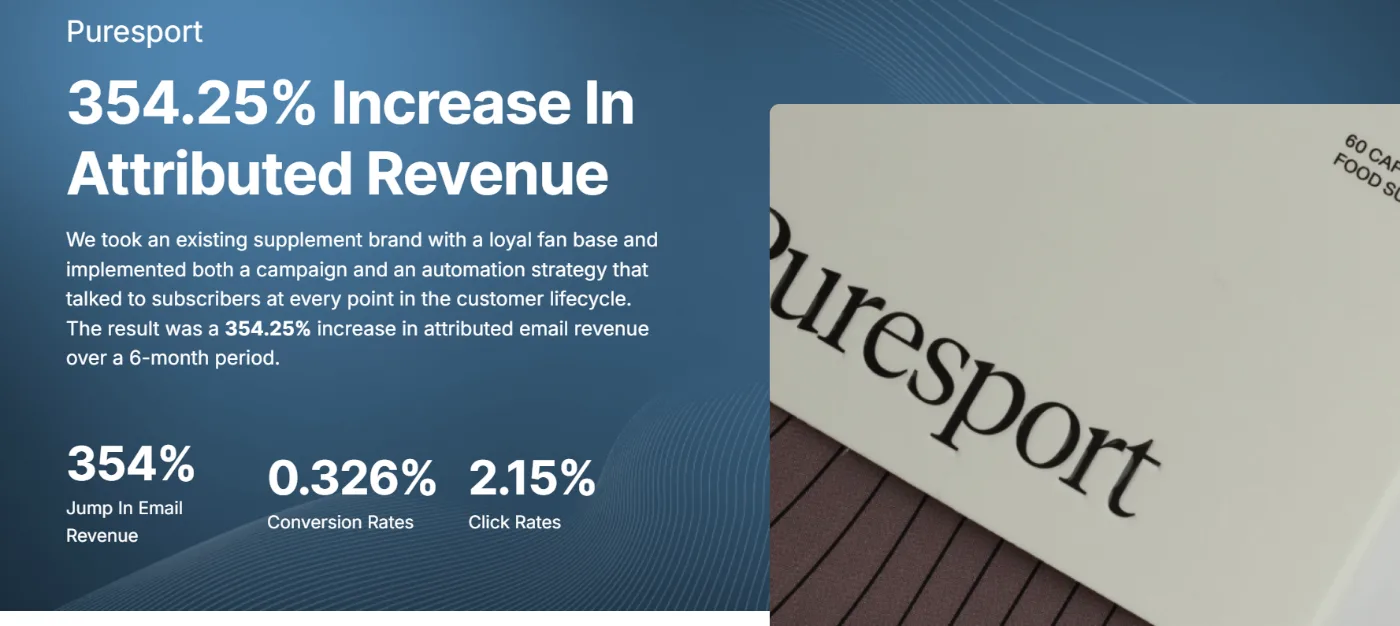
This helps you send the right message at the right time in the customer journey. We’ve tested this personally with a New Zealand based supplement company. By speaking to the customer at the right time in the life cycle, we were able to increase email revenue by 354.25% over the six month period.
Abandoned Cart Segmentation
Cart abandonment is a specific type of behavioral segmentation that deserves special attention. You can create segments based on:
- Products abandoned
- Cart value
- Time since abandonment
- Number of items in cart
These segments help you create targeted recovery campaigns to bring shoppers back to complete their purchases.
Engagement Segmentation
How often do subscribers interact with your emails? You can segment based on:
- Open rates
- Click rates
- Last engagement date
- Frequency of engagement
This helps you identify your most engaged subscribers and those who might need re-engagement campaigns.
10 Email Segmentation Ideas
Now let’s take a look at some of these methods put into practice. Here are some email segmentation ideas you can work into your email marketing strategy today:
1. New Subscribers
New subscriber emails pack a powerful punch when done right. These fresh additions to your list are eager to learn about your brand and highly likely to engage with your content.
Set up a dedicated segment for subscribers who’ve joined in the last 30 days, then create a welcome series that guides them through your brand story, top products, and community. You’ll want to consider breaking this segment down even further based on how they found you, maybe through social media, your website, or an in-store promotion.
Each of these groups might need slightly different introductory content. A social media subscriber might want to see your most Instagram-worthy products, while someone who signed up in-store might need more information about your online shopping experience.
2. Past Purchase History
Your past purchase history segments tell an incredible story about your customers’ preferences and buying patterns. By analyzing what customers buy, when they buy it, and how often they return, you can create highly targeted campaigns that feel almost psychic in their relevance.
For instance, if you notice a group of customers who buy skincare products every three months, you can time your reorder reminders perfectly. Or if you spot customers who always buy during sales, you can make sure they’re first to know about upcoming promotions.
Think about creating segments based on product categories too, customers who buy workout gear might be interested in your new line of protein supplements.
3. Customer Lifetime Value
This segment helps you identify and nurture your most valuable customers. These aren’t just the ones who spend the most on a single purchase, they’re the ones who come back again and again, gradually building up significant value for your business.
Your high-CLV segment deserves special treatment: early access to new products, exclusive discounts, and maybe even personal shopping services.
But don’t forget about customers with potential for higher CLV. Look for signs like frequent browsing or wishlist additions, then create campaigns to encourage their first purchase or repeat buys.
4. High Purchase Amount
High purchase amount customers make a huge investment in your products, treat them right! These buyers often need more detailed product information, enhanced customer service, and special attention post-purchase.
Create segments based on order value thresholds, then develop specialized content that addresses their unique needs. Someone who just spent $1,000 on a new laptop might appreciate an in-depth setup guide, while someone who bought $500 worth of skincare might want a personalized routine calendar.
5. Last Viewed Products
Last viewed products provide a goldmine of targeting opportunities. When someone browses specific items but doesn’t purchase, they’re showing clear interest, they just need a little nudge. Create segments based on browsing behavior, then design targeted campaigns that address common hesitation points.
Maybe they need to see customer reviews, comparison guides, or simply a reminder of what caught their eye. Consider timing too, sending a follow-up email within 24 hours of browsing often yields better results than waiting several days.
6. Birthdays
Here’s a chance to pull back the curtain and show your list that you’re a real person who knows their customers. Everyone loves to feel special on their birthday, and a well-timed offer can drive significant sales.
Create a rolling segment of customers with birthdays coming up in the next month, then plan a series of messages leading up to and following their special day. Consider extending the celebration with a “birthday month” approach, giving customers flexibility to use their special offers when it’s convenient for them.

7. Loyalty Program and Exclusive Deals
Loyalty program segmentation goes beyond just tracking points and rewards. Look at how members engage with your program, do they save up points for big rewards, or redeem them as soon as they can?
Do they respond better to exclusive access or bonus point offers? Create segments based on these behaviors and tailor your communications accordingly.
You might find that some members care more about status and recognition than actual rewards.
8. OOS and Restock Customers
These customers are or were interested in something but the product might have been out of stock. Someone who joins a waitlist might be more motivated than someone who just viewed the product once.
Create segments based on these interest levels, then adjust your restock messages as you need to.
9 Abandoned Cart Emails
These customers have shown strong purchase intent but something held them back. Create segments based not just on cart value, but also on the types of products abandoned and the customer’s history with your brand.
A first-time customer might need reassurance about your return policy, while a loyal customer might just need a reminder. Consider the timing of abandonment too, someone who leaves during checkout might have different concerns than someone who abandons from the cart page.
10. Device Based
Device-based segmentation helps you optimize the reading experience for your subscribers. Mobile users often check email on the go and prefer concise, easily scannable content with prominent call-to-action buttons. Desktop users might engage more with detailed product information and longer-form content.
By tracking which devices your subscribers use most often, you can tailor both your email design and content strategy to match their preferences.
Think about timing too, mobile users might check email during their commute, while desktop users might be more active during business hours.
How to Start Email Marketing Segmentation
Getting started with email segmentation doesn’t have to be overwhelming. By breaking the process down into manageable steps, you can build a solid foundation for more targeted email marketing campaigns. Let’s walk through each step of the process.
Find the Right Tool
Your first step is selecting an email marketing platform that supports advanced segmentation features. You’ll want a tool that makes it easy to create and manage segments based on multiple data points. Look for platforms that offer automated segmentation capabilities, detailed analytics, and the ability to track customer behavior across multiple channels.
Most modern email platforms provide basic segmentation features, but you might need more advanced capabilities as your strategy grows.
Consider factors like ease of use, integration capabilities with your other marketing tools, and scalability. The right platform will grow with your needs and make it simple to adjust your segments as you learn more about your audience.
We use Klaviyo but there are many other options.
Define Necessary Data Points
Before you can create meaningful segments, you need to identify what customer data you’ll collect and track. Start by auditing what information you already have about your subscribers. This might include basic contact details, purchase history, website behavior, or email engagement metrics.
Then think about what additional data would help you create more targeted campaigns. Maybe you need to know more about your customers’ preferences, their shopping habits, or their communication preferences. Create a plan for collecting this information through signup forms, surveys, purchase behavior tracking, and website analytics.
Remember that you don’t need to collect every piece of data right away. Focus on gathering the most valuable information first, the data points that will help you create your most important segments. You can always expand your data collection as your segmentation strategy evolves.
Build out Your Segmentations
Now comes the exciting part, creating your actual segments. Start small with basic segments based on clear, measurable criteria. These might include:
- Email engagement levels (opened in last 30 days)
- Purchase history (bought in last 6 months)
- Geographic location
- Sign-up source
As you get comfortable with basic segmentation, you can start creating more complex segments using multiple criteria. For example, you might combine engagement data with purchase history to identify highly engaged customers who haven’t bought recently, perfect candidates for a special offer.
Remember to name your segments clearly and document your criteria. This helps ensure consistency as your email program grows and makes it easier for team members to understand and use your segments effectively.
Trial, Test, Review, and Tweak
Email segmentation isn’t a “set it and forget it” process. You’ll need to review your segments’ performance and adjust based on what works and what doesn’t.
Start by testing your segmented campaigns against non-segmented ones to measure how your most important metrics are affected.
Pay attention to how certain audiences respond to certain things and use this information to narrow down the targeting and copywriting.
Keep track of your results and look for patterns. Are certain segments consistently outperforming others? Are there segments that aren’t providing value? Don’t be afraid to merge, split, or eliminate segments based on your findings.
Most importantly, keep learning from your data. Each campaign provides new insights about your subscribers’ preferences and behaviors. Use these insights to continuously improve your segmentation strategy and create more effective, targeted campaigns.
Related Reading: Email Marketing Pricing

Final Thoughts
Email segmentation represents one of the most powerful tools in your marketing arsenal. When you break down your large email list into smaller, more targeted groups, you’re not just organizing data, you’re creating opportunities for deeper, more meaningful connections with your customers.
The days of sending the same email to your entire list are long gone. Your subscribers expect personalized, relevant content that speaks to their specific needs and interests. By implementing the segmentation strategies we’ve discussed, you’ll be well-positioned to meet these expectations and drive better results from your email marketing efforts.
Remember that segmentation isn’t a one-time project. It’s an ongoing process of learning about your customers, testing new approaches, and refining your strategy based on what works. Start small with basic segments, then gradually build more sophisticated targeting as you gather more data and understand your audience better.
If this all seems like a lot of challenging work, it’s because it is. This is what we do everyday at In-box. We specialize in email marketing segmentation and implementation and would be happy to have a call to discuss how we can help you break down and organize your list.