Why Email Marketing is Important for Ecommerce
Email marketing isn’t just another box to check off your marketing to-do list. For ecommerce businesses, it’s the foundation of sustainable growth and customer relationships.
Customer Retention
Getting new customers is expensive. In fact, acquiring a new customer costs 5-25 times more than retaining an existing one. That’s why keeping your current customers engaged and coming back should be a top priority.
Email gives you a direct line to these customers. Through targeted messages and personalized content, you can keep them engaged with your brand long after their first purchase.
You’ll share new products they might love, send exclusive offers that make them feel special, and provide helpful content that adds value to their lives. When done right, these touchpoints build the kind of loyalty that leads to repeat purchases and word-of-mouth referrals.
Increased Engagement
Unlike social media where your posts might get lost in the algorithm shuffle, emails land directly in your customers’ inboxes. This direct connection leads to higher engagement rates across the board.
Our data shows that well-crafted email flows generate open rates above 40% and click-through rates 3-4 times higher than industry averages. These aren’t just vanity metrics, they translate into real revenue growth for your business and the data is present in many of our successful case studies.
Each opened email is an opportunity to deepen your relationship with a customer and guide them toward their next purchase.
You Own These Leads
Social media followers and paid ad audiences belong to the platforms. But your email list? That’s all yours.
No algorithm changes or platform updates can take away your ability to reach these subscribers. When someone joins your email list, they’re giving you permission to build a relationship with them directly. This direct connection becomes increasingly valuable as advertising costs rise and social media reach continues to decline.
Increased Brand Awareness
Every email you send is an opportunity to reinforce your brand identity and values. From your welcome series to your promotional campaigns, consistent messaging helps subscribers understand what makes your brand unique.
This ongoing presence in their inbox keeps your brand top of mind when they’re ready to make a purchase. It’s like having a conversation with your customers that builds familiarity and trust over time. The more they understand and connect with your brand, the more likely they are to choose you over competitors.
Types of Ecommerce Email Strategy
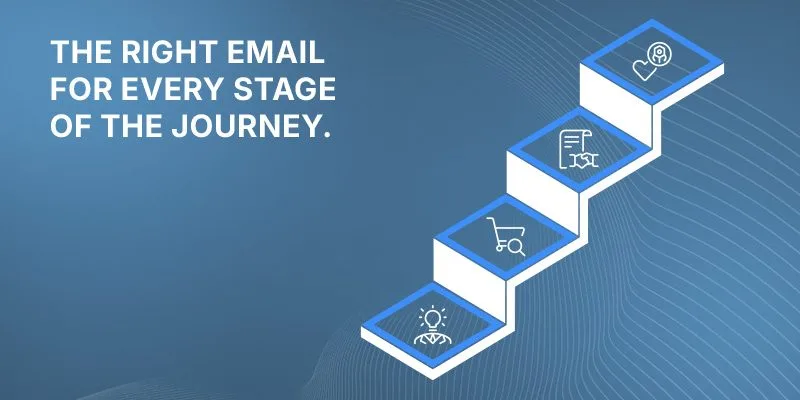
Your email strategy should include different types of messages that serve specific purposes throughout the customer journey. Let’s look at the key email types you need in your arsenal.
Welcome Emails
First impressions matter. Your welcome email series sets the tone for your entire relationship with new subscribers. These initial touchpoints should warmly greet new subscribers and deliver any promised incentives right away.
You’ll want to tell your brand story in a way that resonates with them emotionally while setting clear expectations about future communications.
Welcome emails see some of the highest engagement rates of any email type, with open rates often exceeding 50%. Make the most of this attention by creating a series that guides new subscribers toward their first purchase. Each email should build on the last, deepening the connection and moving them closer to becoming a customer.
Cart Abandonment Emails
Shopping cart abandonment is a fact of life in ecommerce, but that doesn’t mean you have to accept it. A well-planned abandoned cart email strategy can recover lost sales and keep customers moving through your purchase funnel.
Here’s how to do it:
- A friendly reminder about items left behind
- Social proof like reviews or ratings
- Solutions to common purchase obstacles
- A limited-time discount (used strategically)
The key is timing these messages right and making it super easy for customers to complete their purchase with a single click.
Upsell Emails
Once someone makes a purchase, you have a perfect opportunity to suggest complementary products or upgrades. These recommendations should be based on their purchase history and browsing behavior, creating a personalized shopping experience that feels helpful rather than pushy.
Take someone who buys a coffee maker, they might appreciate suggestions for premium coffee beans, cleaning supplies, or storage containers that enhance their purchase. The goal isn’t just to increase average order value, but to genuinely help customers get more value from their purchases.
Confirmation Emails
Transactional emails like order confirmations and shipping updates are essential touchpoints in the customer journey. While their primary purpose is to provide information, they’re also opportunities to enhance the customer experience and build brand loyalty.
Make these emails work harder by including clear order details and tracking information while adding touches of your brand personality. You might suggest next steps or related content that helps customers get the most from their purchase. Since these practical emails often see the highest open rates, each one is a chance to strengthen your relationship with the customer.
Promotional Emails
Sales and promotional emails drive revenue, but they need to be balanced with other value-adding content. Your promotional strategy might include:
- New product launches
- Seasonal sales
- Special offers for loyal customers
- Flash sales or limited-time deals
The key is making these promotions feel exclusive and valuable rather than desperate or pushy. Your subscribers should feel like they’re getting special access to deals because they’re part of your email community.
Personalized Recommendations
Email marketing segmentation lets you send product recommendations based on each subscriber’s interests and behavior. You can suggest products similar to past purchases, items related to their browsing history, or new arrivals in categories they’ve shown interest in.
Think about how a friend might recommend products, they’d consider what you like and what you’ve bought before. Your email recommendations should follow the same principle, creating a shopping experience that feels personally curated for each customer.
Re-engagement Emails
Even the most engaged subscribers can become inactive over time. Re-engagement campaigns help you win back these customers before they’re gone for good. Start with a friendly “we miss you” message that reminds them why they connected with your brand in the first place.
Share what’s new since their last visit and consider offering an incentive to come back. Sometimes, simply asking for feedback about why they’ve been away can provide valuable insights and reopen the conversation. These campaigns help maintain a healthy, engaged email list while recovering potentially lost customers.
How to Develop an Ecommerce Email Strategy: Step-by-Step
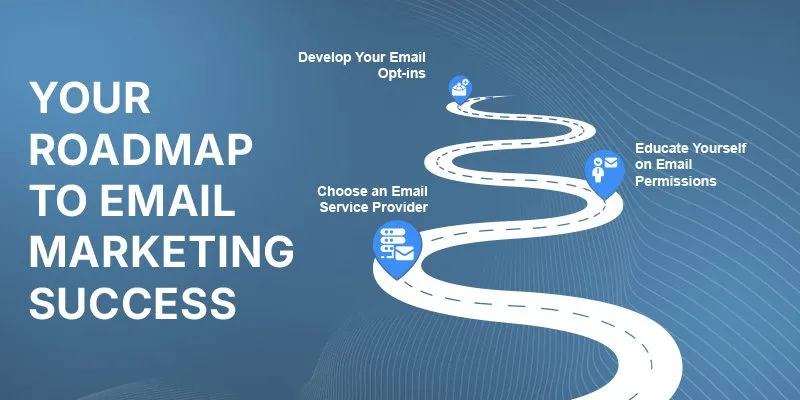
Creating an effective email strategy isn’t about copying what other brands are doing. It’s about building a system that works for your unique business and customers. Let’s walk through the essential steps to develop your strategy.
1. Choose an Email Service Provider
Your email service provider (ESP) is the foundation of your email marketing efforts. Look for:
- Automation capabilities for your email flows
- Segmentation tools for targeted messaging
- Analytics to track performance
- Easy integration with your ecommerce platform
Look for a platform that offers robust automation capabilities, powerful segmentation tools, and detailed analytics to track performance. It should integrate seamlessly with your ecommerce platform to sync customer data and purchase history.
Popular options include Klaviyo, Mailchimp, and ActiveCampaign. Take time to evaluate which features matter most for your business and how each platform might scale with your growth. Get some of the best Klaviyo flows from us.
2. Educate Yourself on Email Permissions, Regulations, and Deliverability
Email marketing comes with legal responsibilities that you can’t afford to ignore. You need to understand permission requirements in different regions and stay compliant with anti-spam laws. Maintaining high deliverability requires following best practices for list management and email authentication.
These fundamentals might not be the most exciting part of email marketing, but getting them right protects your business and ensures your messages actually reach your subscribers’ inboxes.
3. Develop Your Email Opt-ins
Your opt-in strategy determines the quality and quantity of subscribers you attract. While pop-ups and sign-up forms are common, their placement and messaging make all the difference. Consider adding forms to your website header or footer for passive collection, while using behavior-triggered pop-ups to catch visitors at key moments in their shopping journey.
The key is clearly communicating the value of subscribing. Tell potential subscribers exactly what they’ll get and how often they’ll hear from you. This transparency builds trust from the start and sets the right expectations for your email relationship.
4. Consider Adding Gamification Elements
Gamification is the process of taking “gaming” elements and adding them to the opt-in process. There are many ways of doing this, many of which you’ve probably seen before.
- Spinning wheels with prizes
- Quizzes
- Points systems
These not only get attention from visitors, they provide immediate value because the customer feels like they’re getting something for free. In return, you’re getting valuable data about your subscribers and the information you need to retarget them.
Remember that any gamification should align with your brand and provide actual value to your subscribers. Don’t create a fake prize or something that intends to bait and switch your audience.
5. Maintain a Clean List
A clean email list is essential for good deliverability and engagement. Regular maintenance isn’t just about removing invalid addresses, it’s about ensuring your list consists of people who genuinely want to hear from you. This means regularly monitoring engagement patterns and taking action when subscribers become inactive.
Set up automated processes to re-engage inactive subscribers before removing them from your list. Sometimes a well-crafted re-engagement campaign can rekindle interest and save valuable customer relationships. When subscribers truly aren’t responding, be willing to let them go to maintain a healthy, engaged list.
6. Create Custom Landing Pages Based on Offers
Your email campaigns should lead to targeted landing pages that carry through the same messaging and design. Think of these pages as a continuation of the conversation started in your email. When someone clicks through to learn more about a special offer or new product, they should find exactly what they’re expecting.
These dedicated landing pages give you space to expand on your email message and provide all the information needed to make a purchase decision. By maintaining consistency between your emails and landing pages, you create a seamless experience that builds trust and increases conversions.
7. Leverage Lead Magnets
Lead magnets give people a compelling reason to share their email address. Think beyond the basic discount code, what information or resources would truly help your target customers?
- Buying guides
- Style quizzes
- Exclusive content
- Early access to sales
Your lead magnets should provide immediate value while positioning your products as the natural solution to your subscribers’ needs. When done right, these resources not only grow your list but also pre-qualify subscribers as interested in what you sell.
8. Use Referral Programs
Your existing customers can be your best source of new subscribers through a well-designed referral program. The key is making it worth their while, reward both the referrer and the new customer with something valuable enough to motivate action. This might be store credit, exclusive products, or early access to new releases.
Email plays a central role in promoting and managing your referral program. Use it to announce the program, remind customers to refer friends, and celebrate successful referrals. Each touchpoint is an opportunity to strengthen relationships with existing customers while bringing new ones into the fold.
9. Use Chatbots and Live Chat
Integrate chat tools with your email strategy to create a seamless customer experience. When someone engages with your chat support, it’s a perfect opportunity to collect their email address for follow-up communications. Similarly, your emails should make it easy for subscribers to start a chat conversation when they need help.
This integration creates multiple touchpoints for customer interaction while gathering valuable data about customer needs and preferences. Use chat conversations to inform your email content and segmentation strategy, creating more relevant and helpful communications across all channels.
10. Follow Up, Follow Up, Follow Up
Success in email marketing often comes down to consistent follow-up. Ecommerce email automation makes this systematic and scalable so try to find the best automation tools to help with the process.
From abandoned cart reminders to post-purchase check-ins, each follow-up email should move customers closer to their next purchase.
The key is finding the right balance, enough follow-up to stay top of mind without becoming annoying. Pay attention to engagement metrics and adjust your frequency based on how subscribers respond. Some customers might welcome daily emails, while others prefer weekly updates.
5 Tips for Mastering Ecommerce Email Strategy
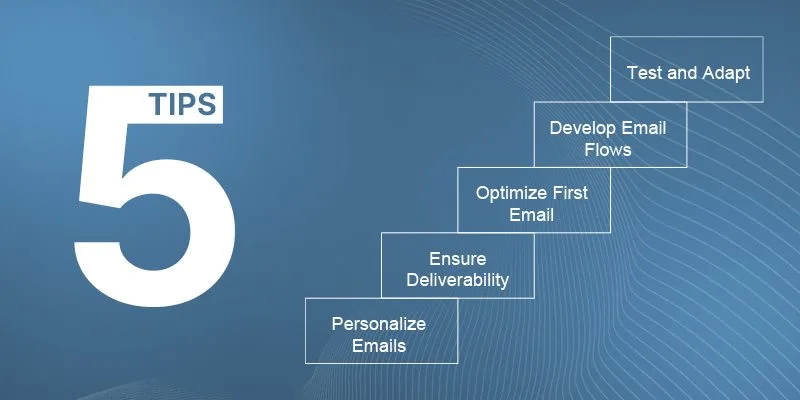
Let’s look at five proven ways to take your email marketing to the next level and avoid common email marketing mistakes.
1. Personalize Your Emails However Possible
Personalization goes way beyond using someone’s first name. Today’s customers expect emails that reflect their individual preferences and behaviors.
- Recommend products based on browsing history
- Segment based on purchase behavior
- Adjust send times to individual engagement patterns
- Customize content based on customer data
The more personal your emails feel, the better they’ll perform. Just make sure you’re using data in ways that feel helpful rather than creepy. The goal is to create relevant, timely communications that add value to your subscribers’ lives.
2. Focus on Deliverability First
With over 30% of emails ending up in a promotional inbox, deliverability is more important than ever. You can have the greatest offer in the world but it means nothing if you never even make it into the inbox.
This is why authentication, list cleaning, and proper email protocol is most important. Pay attention to your deliverability, especially early on. Don’t just hit send and close the computer.
Make it easy for subscribers to manage their preferences and unsubscribe if they want to. While it might seem counterintuitive, having clear opt-out options actually improves your deliverability by keeping your list healthy and engaged.
3. Your First Email is Your Best Email
Your welcome email typically sees the highest engagement rates you’ll ever get, so make it count. Deliver immediate value, set clear expectations, and guide new subscribers toward their next step with your brand. This first impression sets the tone for your entire email relationship.
Think beyond the basic “thanks for subscribing” message. Use this opportunity to showcase your brand personality, highlight your best products, and start building a connection that will last.
4. Develop Concrete Email Flows
Creating automated email flows saves time and ensures consistent communication throughout the customer journey. Start with the essential flows, welcome series, abandoned cart recovery, and post-purchase follow-up. Then expand into more specialized sequences as you learn what works for your audience.
Each flow should have clear triggers, timing, and goals. Monitor performance regularly and refine your flows based on the data. Small improvements in these automated sequences can have a big impact on your overall results.
5. Test and Be Flexible
Your email strategy should never be set in stone. Customer preferences change, new technologies emerge, and what worked last year might not work today. Regular testing helps you stay ahead of these changes and continuously improve your results.
Test everything from subject lines and preview text to email content and send times. Use what you learn to refine your approach, but always be ready to adapt as conditions change.
Final Thoughts
Email marketing success in ecommerce isn’t about following this strict set of guidelines, it’ll be a little different for everyone.
It’s about creating a strategy that works for your unique business and customers. Create an experience that your subscribers actually enjoy. If you think about it that way, you can justify spending time and money on your ecommerce email strategy.
Start with the fundamentals we’ve covered here, but don’t be afraid to experiment and find what works best for your brand.
Remember, every email is an opportunity to strengthen your relationship with customers and drive growth for your business. Make each one count by focusing on value, relevance, and genuine connection with your subscribers.