What is an Email Flow?
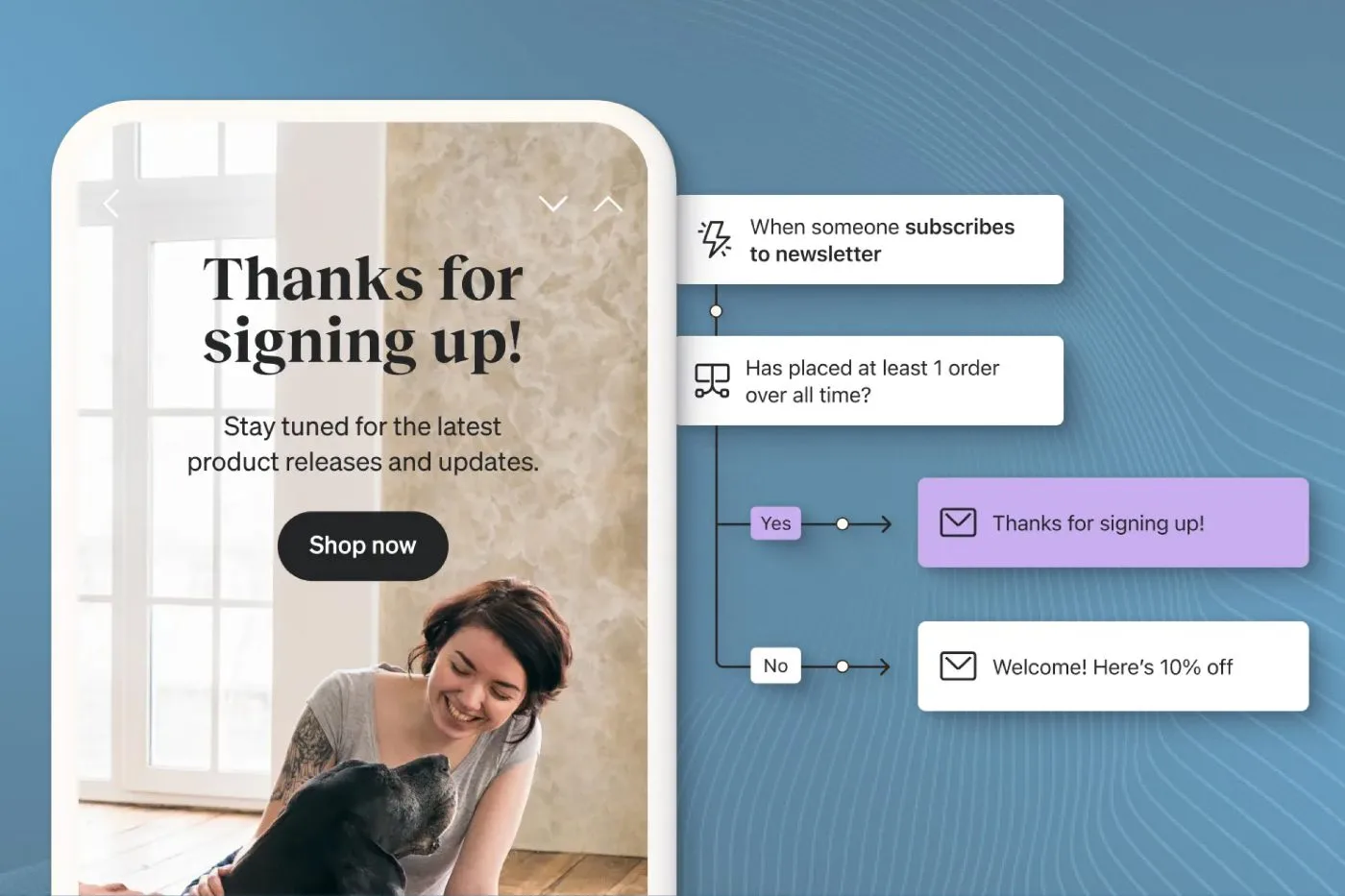
Think of email marketing flows as your always-on digital sales team. These automated sequences respond to specific triggers and subscriber actions, delivering the right message at exactly the right time. When you set up an email marketing automation flow correctly, you’re essentially creating a personalized experience for each subscriber based on their behavior.
You might wonder what sets flows apart from regular campaigns. The main difference lies in their automated, behavior-driven nature. An email marketing ecommerce flow is an example of a funnel that each subscriber goes into once they take a certain action on your website.
While campaigns are typically one-time sends to a large group, flows react to individual subscriber actions. This means each person gets relevant content when they’re most likely to engage with it.
5 Essential Email Flow Types
Let’s look at the core automated sequences you should have in your email marketing arsenal. These e-commerce email automation flow examples form the foundation of any solid email strategy.
1. Welcome Series Flow
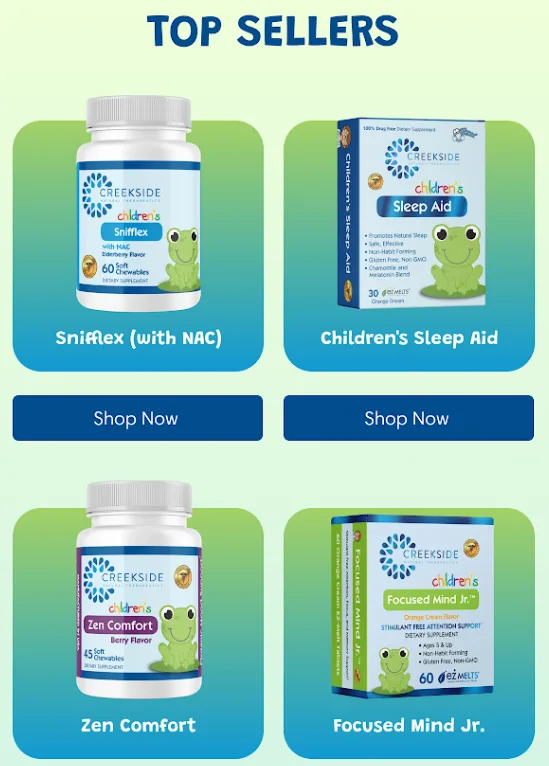
First impressions count, and your Welcome Series flow sets the tone for your entire relationship with new subscribers. A well-crafted welcome sequence doesn’t just say “thanks for subscribing”, it starts a conversation and builds momentum toward that first purchase.
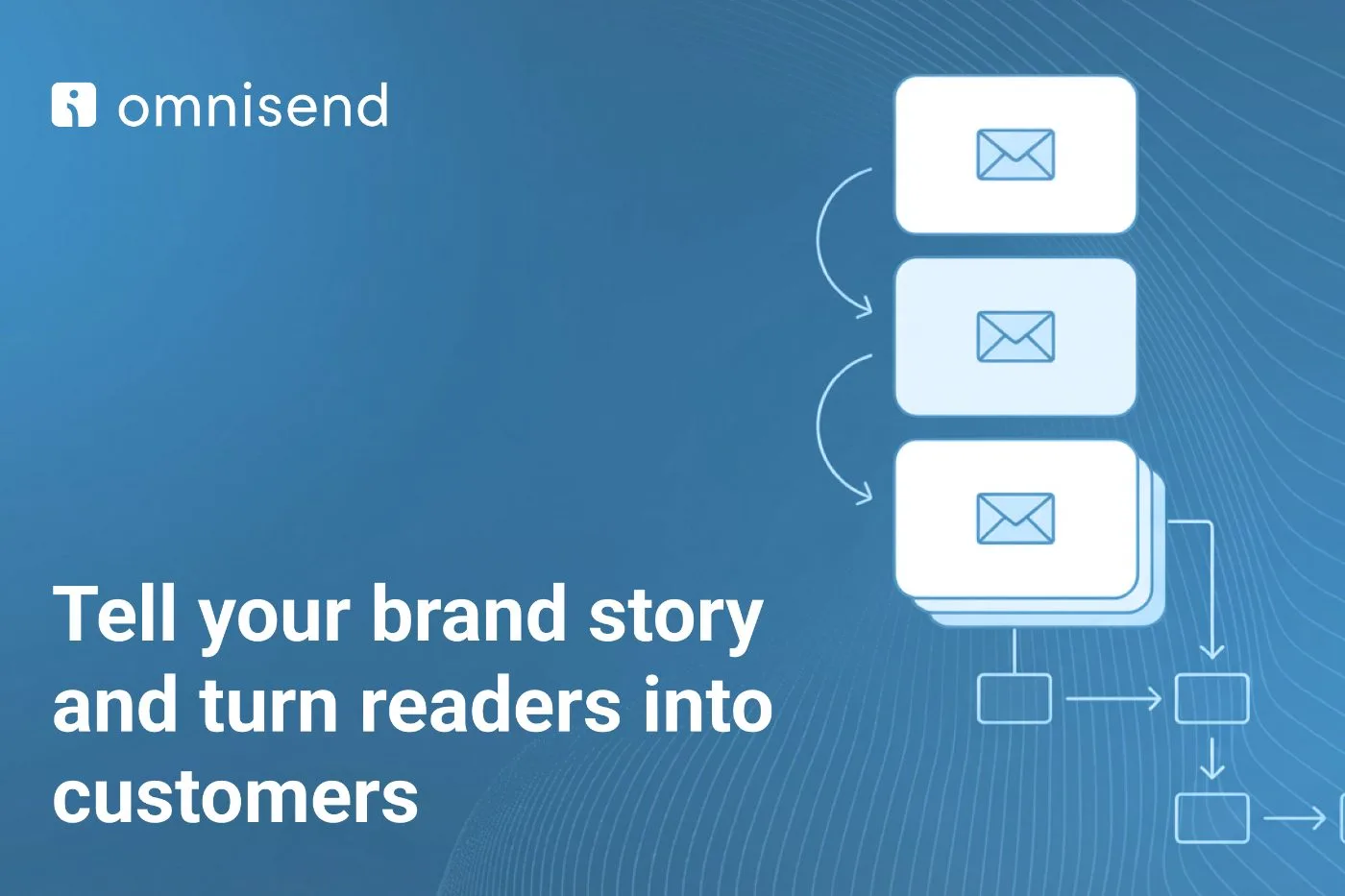
Start with a warm, immediate welcome that delivers any promised incentives right away. Make that incentive (if you are offering one) clear and front and centre for the reader. Make sure the discount code is auto-applied after a button has been clicked. Follow up with an introduction to your brand story and values. Then, showcase your best products or services. Space these emails out over 2-3 days except for the first and second email, ensure the time delay is only 12 hours between those two emails. The reason we do this is because we want to get our offer in front of our readers as much as possible when they are in a buying mood which we know is the case because they have subscribed for a discount code.
The magic happens when you personalize and segment this sequence based on how someone joined your list. Someone who subscribed through a product page should get different content than someone who signed up through a general website popup. Note, that you can also capture people’s interest categories when the reader signs up, and from there, you can then curate the flow based on what those responses are.
2. Abandoned Cart Recovery Flow
Shopping cart abandonment can feel like money slipping through your fingers. That’s where a strategic cart recovery flow comes in. The timing of these emails makes all the difference in their success.
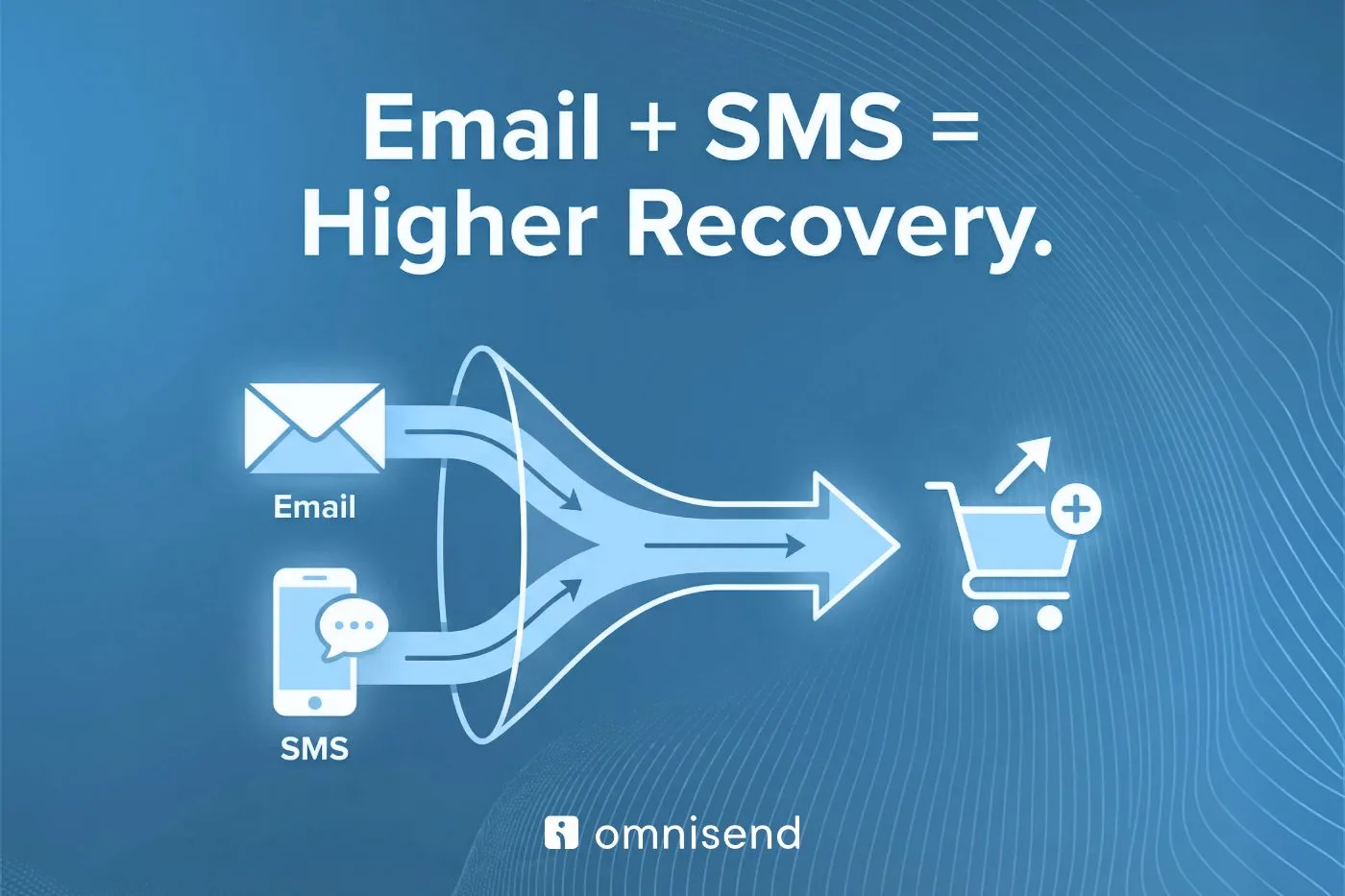
Send your first reminder within an hour while your brand is still fresh in their mind. Keep it helpful and service-oriented, ask if they had any issues completing their purchase. Your second email might go out 24 hours later with social proof about the products they left behind. If needed, send a final email 2-3 days later. Note, that you should also create splits within your flow to send customers and non-customers down different paths within the automation. For non-customers, for those who have not ordered, ensure that every email that is sent, contains the same incentive that was offered in the Welcome Series. Getting product into your customers hands here is key.
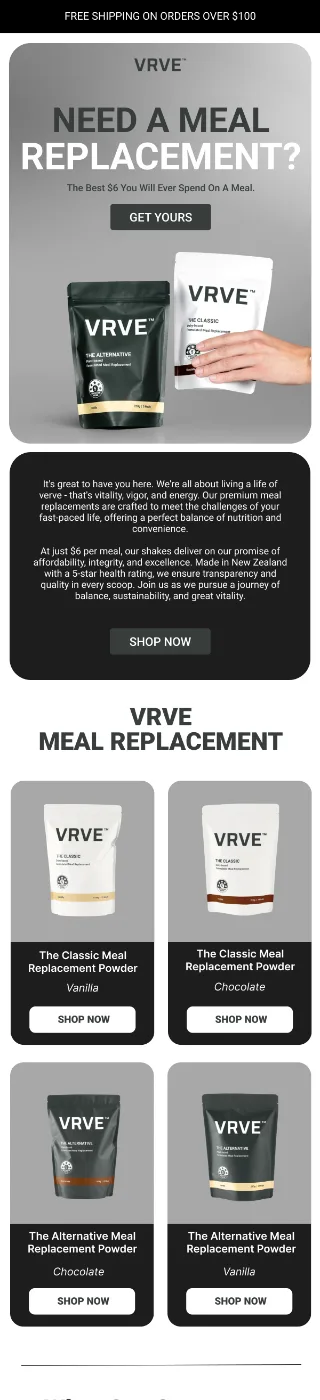
3. Post-Purchase Flow
Your relationship with customers doesn’t end at the sale, that’s just the beginning. The best email flows include a strong post-purchase sequence that turns one-time buyers into loyal fans. It is important to keep in mind, the post-purchase sequence actually comprises multiple flows, as these automations need to be triggered off of a range of actions.
So let’s break it down:
Start with a fulfilled order confirmation flow that builds excitement and sends an update regarding the reader’s order. This flow should be triggered off of the ‘fulfilled order metric’ not the place order metric. We do this because the metric ‘placed order’ can trigger that flow, but if you are using Shopify, an order confirmation email will come from Shopify regardless. You do not want to double up on emails or comms here, so make sure your email that you send, is triggered off of a separate metric.
You can then build out the flows with shipping updates that keep customers informed. Once the product arrives, you can send emails triggered off of different triggers from the shipping process, i.e. ‘ordered delivered’ or ‘order out for shipment’. These emails get great deliverability and this deliverability can then be leveraged to sell down the road. Within these flows, you can also send usage tips or care instructions. A few days later, ask for a review. This sequence shows customers you care about their experience beyond their purchase.
What makes post-purchase flows a really great email marketing idea? Adding personalized product recommendations based on their purchase history. You’re not just following up, you’re helping customers discover more products they’ll love. To do this, you can create splits within your flows based on the items people bought and then cross-sell and upsell based on those purchases that triggered the automation.
4. Re-engagement Flow
You can’t keep every subscriber engaged forever, but you can try to win back those who’ve gone quiet. A smart re-engagement sequence helps you reconnect with inactive subscribers before they’re gone for good.
Start by defining what “inactive” means for your business. For some companies, it’s 30 days without opening an email. For others, it might be 90 days. Once you’ve got your timing down, create a sequence that reminds them what they’re missing.
The flow should be triggered by someone joining a segment that meets the conditions set above. For example, if you create a segment of readers who have received more than 10 emails and opened nothing in the last 60 days, you can then trigger an automation based on someone joining that segment. Note, once someone leaves the segment, i.e. becomes engaged, they will no longer be within your flow.
The first email should acknowledge their absence without being pushy. Something like “We miss seeing you!” works well. Follow up with your best content or most popular products. If they still don’t engage, try offering an incentive. Your final email should let them know you’ll remove them from your list unless they take action, this often sparks engagement from subscribers who don’t want to miss out. Personally, I like to make these emails plain text, with no creative as I have found those types of emails tend to get better cut through in your reader’s inboxes.
Are you not getting the engagement metrics you want on your email marketing campaign? An email marketing audit might be exactly what you need. Learn how to perform one in our complete guide.
5. Browse Abandonment Flow
When someone checks out your products but leaves without buying, you’ve got a perfect opportunity to follow up. Browse abandonment flows help you reconnect with window shoppers while their interest is still fresh.
These emails work best when you send them within a few hours of the browse session. Show them the exact products they viewed, along with similar items they might like. To do this you will need to use dynamic product blocks within the emails themselves, and if you want to get really granular, create splits within the flow to cross-sell and upsell based on the item the reader viewed (what triggered the flow). Don’t be afraid to ask questions about what they’re looking for, this can start a conversation that leads to a sale. Trigger these flows off of someone viewing an item and ensure you are splitting people based on their purchase history. If they have never ordered before, ensure the emails you send them offer some sort of incentive i.e. the same incentive you gave the reader in the Welcome Series.
3 Advanced Flow Strategies
Once you’ve mastered the basics, it’s time to level up your email marketing flows with some seriously powerful automation.
1. VIP Customer Flow
Your best customers deserve special treatment. Create a VIP flow that kicks in when customers hit certain spending thresholds or purchase frequencies. This might include early access to sales, exclusive products, or special perks.
The key to a great VIP flow? Making customers feel truly special. Send birthday treats, anniversary celebrations, and sneak peeks at new products. When you treat your best customers like VIPs, they tend to stay that way.
2. Product Education Flow
Sometimes customers need a little help getting the most from your products. That’s where education flows come in. These sequences help customers succeed with what they’ve bought, making them more likely to buy again. This is very similar to a post purchase thank you flow and honestly, can be one and the same.
Break down complex features into simple tips. Share success stories from other customers. Include video tutorials if you can. The goal is to help customers get maximum value from their purchase.
3. Anniversary and Milestone Flow
Everyone loves to celebrate, and anniversary flows give you the perfect excuse. Track important dates like first purchase anniversaries, birthdays, or account creation dates. Then set up automated celebrations that make customers feel remembered.
Don’t just say “happy anniversary”, make it count. Include a special offer or exclusive access to something new. These personal touches help build lasting relationships with your customers.
Setting Up An Effective Email Marketing Flow
Getting your email automation set up right makes all the difference in how well it performs.
Setting Up Automation Triggers
Your triggers need to be specific and reliable. They might be based on:
- Customer actions (like making a purchase)
- Time-based events (like subscription anniversaries)
- Behavior patterns (like browsing without buying)
Make sure your tracking is solid and your integration points are working properly. Test every trigger before setting it live. Within Klaviyo you can see this in the ‘integrations’ tab in the bottom left hand corner.
Check out our guide on the difference between a Klaviyo trigger filter and a flow filter. It breaks down how each one impacts your automations.
Having the right email marketing platforms can help you set up triggers properly. We review two of the best in this in-depth guide.
Flow Testing and Optimization
Never assume your first version is your best version. Test different subject lines, send times, and content variations. Keep track of what works and what doesn’t. Small tweaks can lead to big improvements in your results. The great thing about AB testing in flows is that once you set-up the test, you can forget about it for a month and circle back when it is ready.
Content Strategy for Email Flows
Let’s talk about what goes into your emails. The words and visuals you use can make or break your automated sequences.
Writing Effective Email Copy
Your subject lines need to grab attention without being clickbait. Keep them short, specific, and intriguing. Inside the email, write like you’re talking to a friend, professional but personal. Break up your text into short chunks that are easy to scan. I have found that adding numbers at the start of your subject lines significantly increases open rates. For example, instead of using ‘Massive Sale On Now, Get 15%’ use ‘Get 15%, Massive Sale On Now’
Use questions to engage readers: “Looking for the perfect fit?” works better than “Our size guide will help you.” And don’t forget about the preview text, it’s your second chance to get opens after the subject line.
Visual Design Elements
Your emails should look good everywhere, desktop, mobile, and tablets. Use templates that adapt to different screen sizes. Include images that add value rather than just taking up space. Keep your branding consistent but don’t let design get in the way of your message. One rule of thumb I operate by, always have a call to action in the header image with a button. The easier you make it for someone to click, the better.
White space is your friend. Give your content room to breathe. Use clear headlines and make your call-to-action buttons stand out.
Measure, Test, and Tweak
You can’t improve what you don’t measure. Let’s look at how to track and improve your email flow performance.
Key Performance Metrics
Track these basic metrics for every flow:
- Open rates tell you if your subject lines work
- Click rates show if your content or your offer connects
- Conversion rates prove if you’re making money
- Revenue per email helps you spot your winners. Note, try and isolate the data correctly, i.e. make sure you are not measuring say, a sale email against a non-sale email as just based on that, the sale email is naturally going to blow the non-sale email out of the water, regardless of what test you are running.
Don’t just look at averages, pay attention to trends over time. Are your numbers going up or down? What changed when they moved?
Analytics and Reporting
Set up regular check-ins with your data. Weekly quick looks help you spot problems fast. Monthly deep dives help you understand bigger patterns. Compare your numbers to industry standards but remember, your trends matter more than averages.
Watch how people move through your flows. Where do they drop off? Which emails drive the most action? Use these insights to make your next changes count.
Common Challenges and Solutions
Every email marketer faces obstacles. Here’s how to handle the big ones.
Deliverability Issues
Getting to the inbox isn’t automatic. Keep your lists clean by removing bounces and inactive subscribers. Use double opt-in for new signups. Make it easy to unsubscribe, fighting to keep uninterested subscribers hurts more than it helps.
Watch your sender reputation like a hawk. If you see delivery rates drop, pull back on frequency and focus on engaging your most active subscribers first. Make sure to regularly review your email deliverability.
Engagement Problems
When engagement drops, look at your timing first. Are you sending too often? Not often enough? Next, check your segmentation. Different subscribers need different messages, sending everyone the same thing rarely works well.
Test new approaches with small groups before making big changes. Sometimes a fresh subject line style or new content type can wake up a sleeping list.
Future Trends in Email Flows
Email marketing keeps evolving. AI tools are getting better at predicting what subscribers want. Interactive elements like polls and quizzes are becoming more common. Mobile keeps getting more important.
Stay current but don’t chase every new thing. Focus on what works for your subscribers. Test new features carefully before rolling them out to everyone.

Final Thoughts
Creating effective email flows takes time and attention, but the payoff makes it worth the effort. Start with the basic flows your business needs most. Test and improve them regularly. Add more sophisticated sequences as you grow.
Remember these key points:
- Make every email valuable to your subscribers
- Test everything before it goes live
- Watch your metrics and make changes based on data
- Keep your content personal and relevant
While you can build these flows yourself, working with email marketing experts can fast-track your success and help you avoid common pitfalls. At In-box, we specialize in creating data-driven email flows that nurture leads and boost conversions. Our clients see open rates of 44.3% (compared to the industry average of 39.7%) and click rates of 3.01% (beating the industry average of 1.47%).
Ready to transform your email marketing strategy? Let’s talk about your goals and develop a custom flow strategy that connects with your audience while driving real results. Get in touch with In-box today for a free consultation and discover how we can help you craft email flows that turn subscribers into loyal customers.