Why Omnisend Works for Abandoned Cart Flows
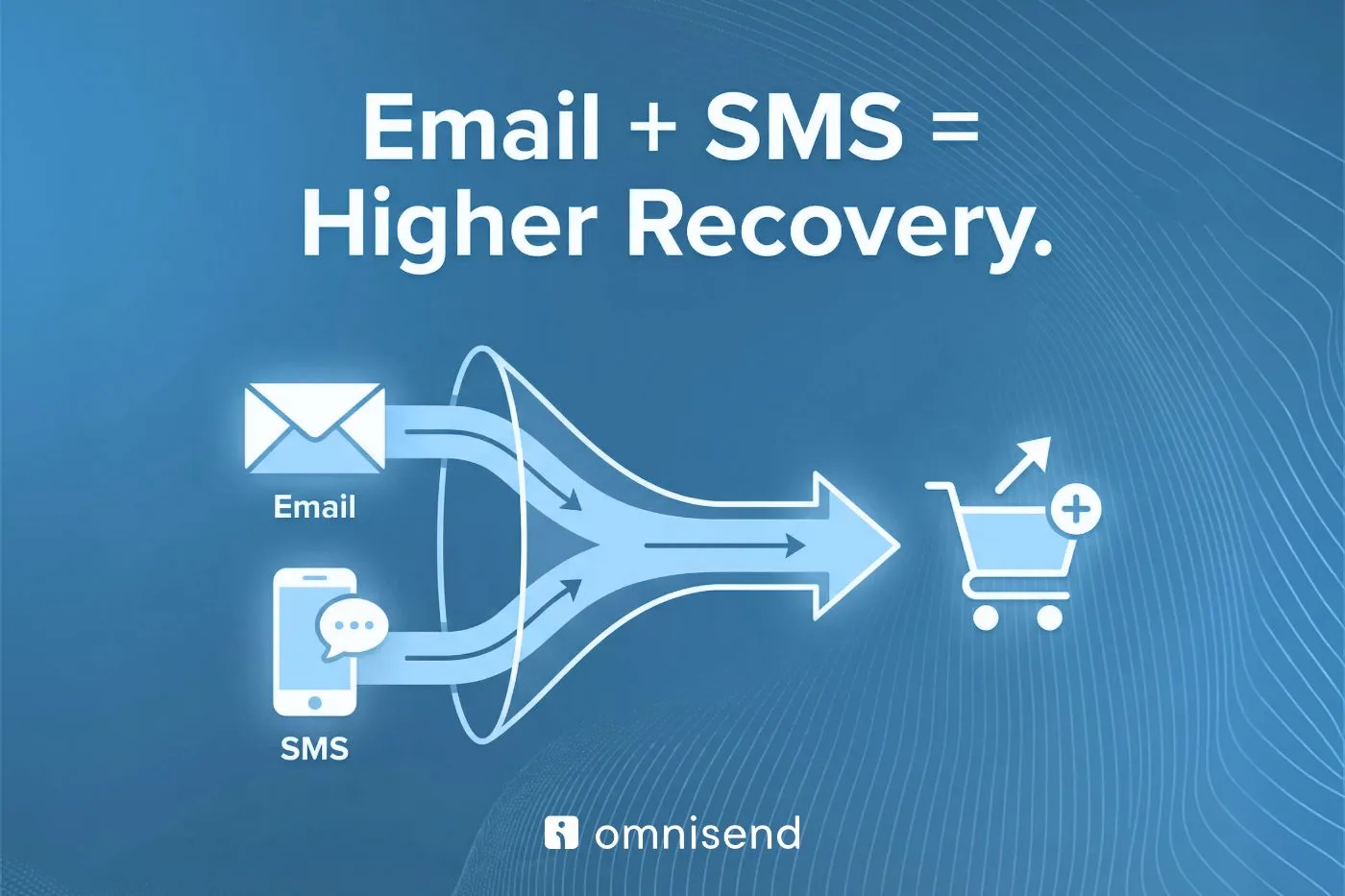
Omnisend’s automation tools are built for ecommerce, combining email and SMS into a single customer journey. The platform’s visual builder lets brands create flows that respond to real behaviour, not one-size-fits-all messaging.
Messages can adjust based on:
- Whether someone has purchased before
- Which product or collection they viewed
- How long it’s been since they left their cart
Omnisend’s ecommerce-first design makes advanced flows like these easier to build. We explored that difference in detail in Omnisend vs Mailchimp (2025).
Step 1: Build the Abandoned Cart Flow
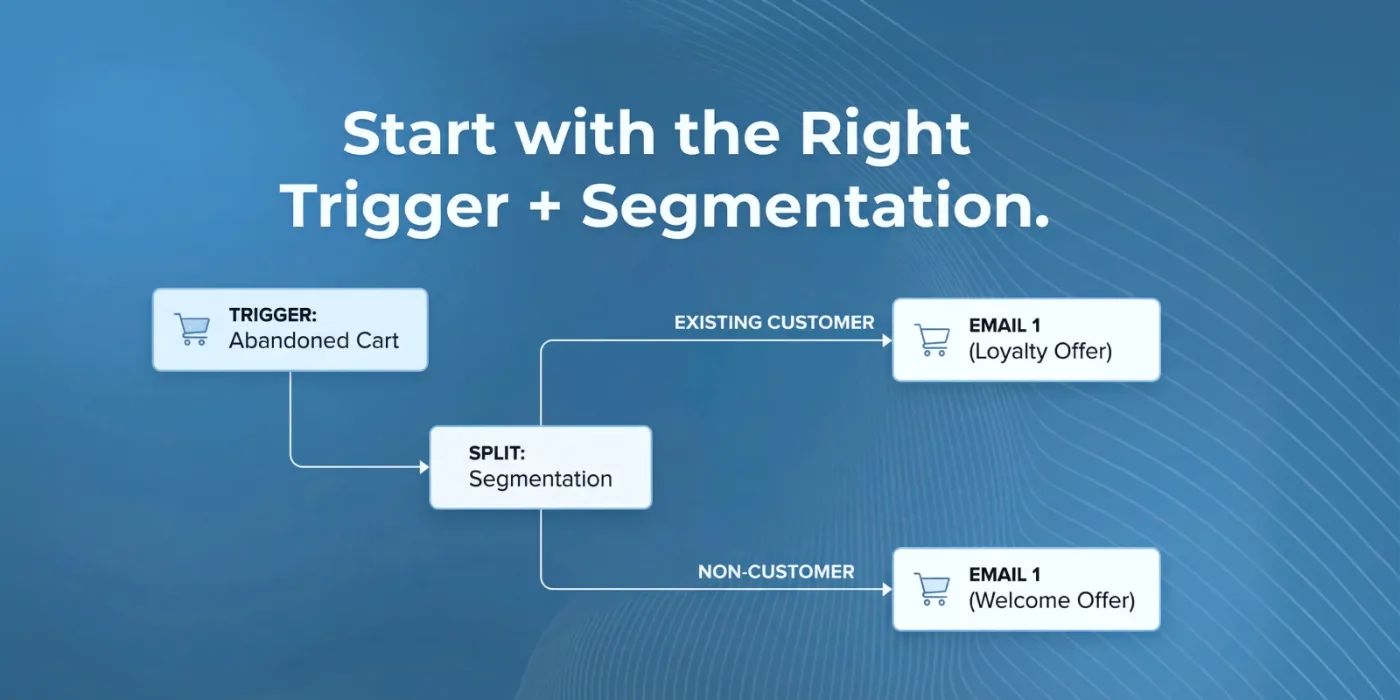
In Omnisend, go to Automations → Create Workflow. You can use a pre-built template, but starting from scratch offers more control.
- Set the trigger to Added Product to Cart.
- Add exit conditions so the flow stops once a customer either starts checkout or places an order, preventing duplicate reminders.
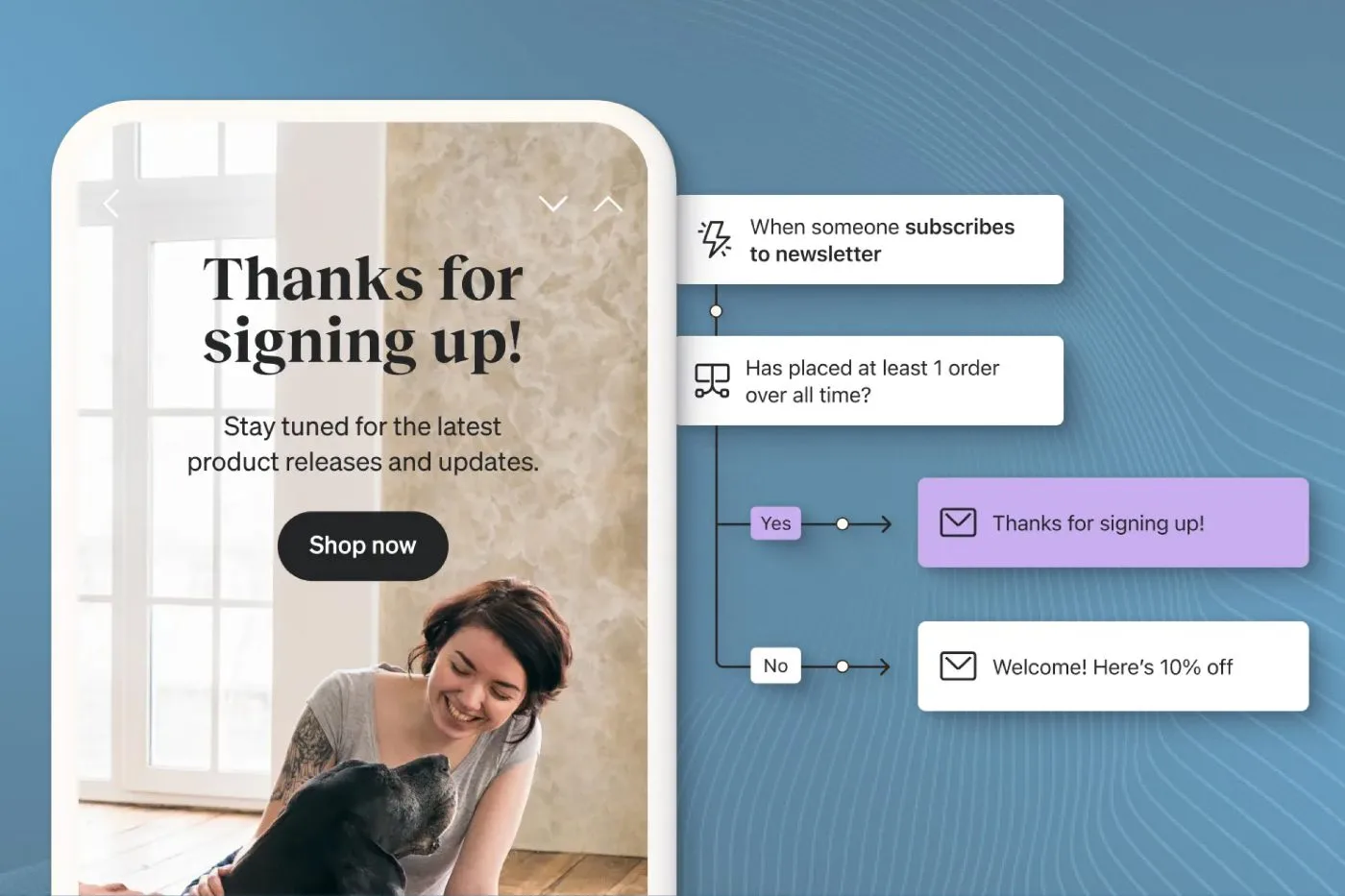
- Next, split customers into two paths: existing customers and non-customers. Non-customers should see their welcome discount in every follow-up email. It’s a simple, consistent nudge that converts first-time buyers without overusing discounts.
Step 2: Test Timing for Better Conversions
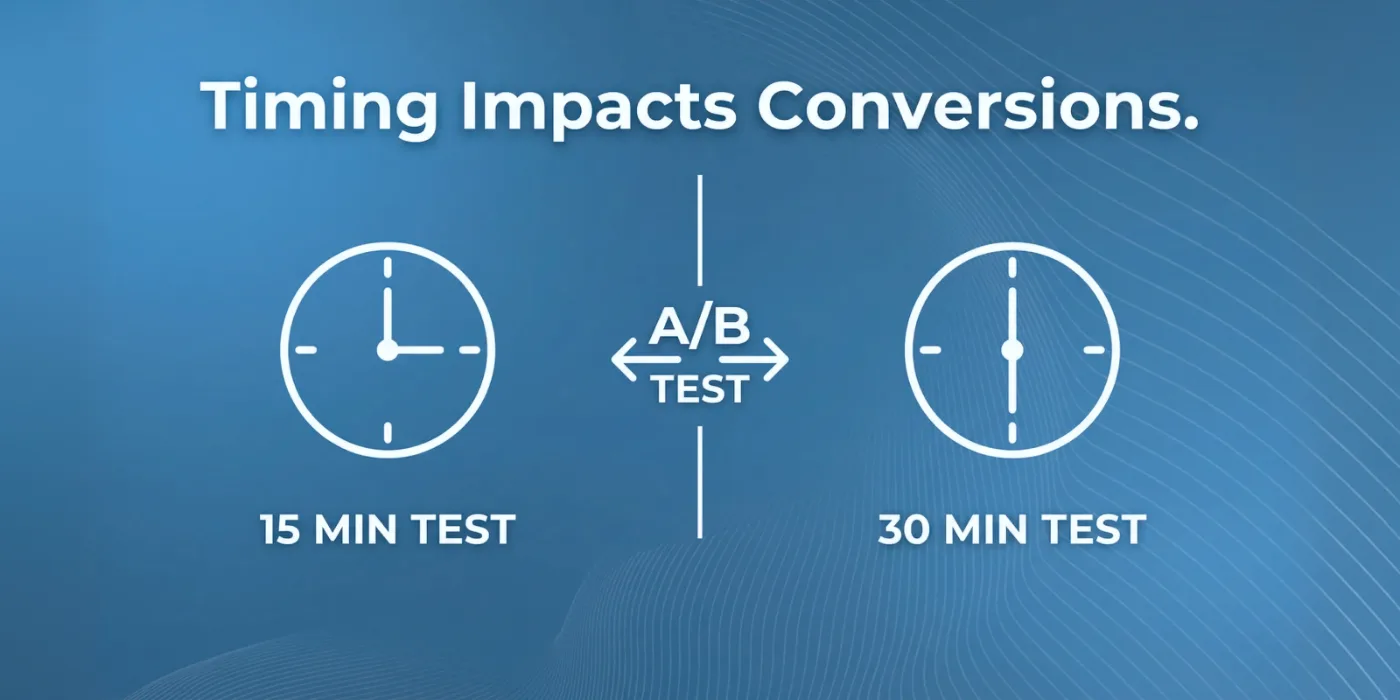
Timing matters as much as messaging. Create an A/B split and test two time delays before sending the first reminder:
- One branch after 15 minutes
- Another after 30 minutes
Keep both emails identical so timing is the only variable. Then add a one-day delay before the second reminder. Each follow-up should show the cart contents and repeat the discount code.
If your audience shops primarily on mobile, shorter delays often perform better since users tend to browse and abandon within the same session. Over time, this kind of data helps refine all of your flows. For more on testing and deliverability, see How to Warm Up a Klaviyo Account and Improve Email Deliverability.
Step 3: Personalise by Collection
Once your main flow is running, add splits that personalise follow-ups based on product collection.
- If a customer abandoned jeans, send a follow-up featuring similar denim items.
- If they left shoes or shirts, tailor the message to those categories.
Each branch should send an email specific to that collection. If someone doesn’t meet any filter, send a general reminder showing what they left behind and related items.
This approach adds incremental gains that compound over time. For brands earning over $100K per month, those small improvements quickly add up. Smaller stores can simplify to two or three strong, well-timed reminders.
Step 4: Add the Final Reminder
After one more day, finish the flow with a plain-text email written as if from the brand founder. Keep it short, direct, and personal.
Plain-text messages often outperform visual templates because they feel human and conversational. Adding a real reply-to address can also increase engagement, giving shoppers an easy way to ask questions or respond directly.
Step 5: Build the Checkout Flow
The checkout flow mirrors the cart flow using a different trigger: Started Checkout. Since these shoppers are already midway through checkout, remove that condition from the exit filters.
The structure (timing, segmentation, and personalisation) stays the same. Together, these two flows catch customers at every drop-off point and bring more of them back to finish their purchase.
Building for Scale
Not every brand needs a fully layered system. For stores earning around $10, 20K per month, a simpler version with clean logic and well-paced follow-ups works well. Focus on:
- Clear entry and exit conditions
- Well-timed messages
- Consistent discount reminders
- A personal plain-text close
As your business grows, you can layer on collection splits, multivariate testing, and additional touchpoints for more precise targeting.
Final Thoughts
A high-performing abandoned cart flow does more than recover lost sales. It signals that your brand is paying attention and ready to help customers finish what they started.
When paired with a checkout sequence, this strategy covers both early and late-stage drop-offs, turning missed opportunities into measurable growth.
The right recovery system turns every abandoned cart into another chance to convert. Build it once, and let Omnisend do the work. If you’re ready to start, you can save 30% for your first three months using this link with code GAVIN30