The Core Flow Ecosystem (How It All Works Together)
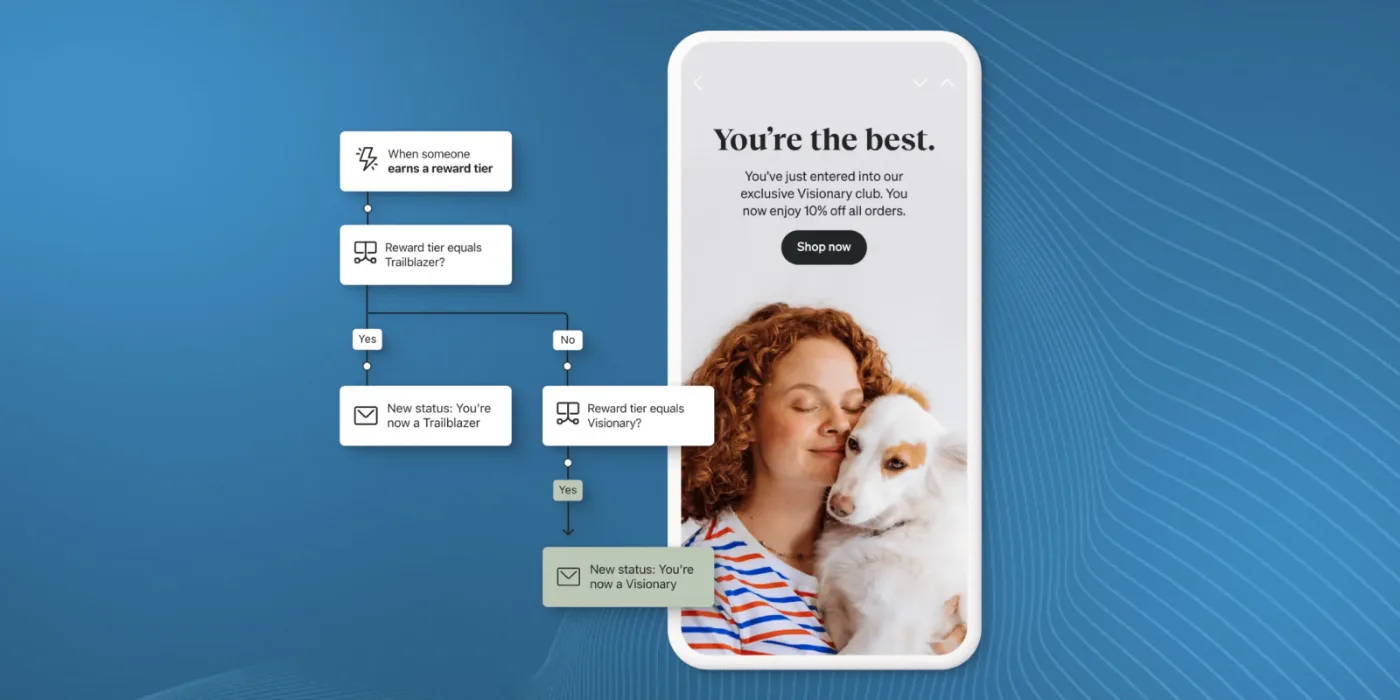
Your automation ecosystem should include:
- Welcome Series
- Abandoned Cart
- Abandoned Checkout
- Browse Abandon
- Post-Purchase (Thank You)
- Fulfilled Order
- Win-Back
- Sunset Flow
- Google Review Flow
- Site Abandon (Sales Only)
- Cancelled Order
- Refunded Order
Each flow has a specific role in the customer lifecycle. Together, they turn email from “nice to have” into a revenue engine.
Let’s break them down.
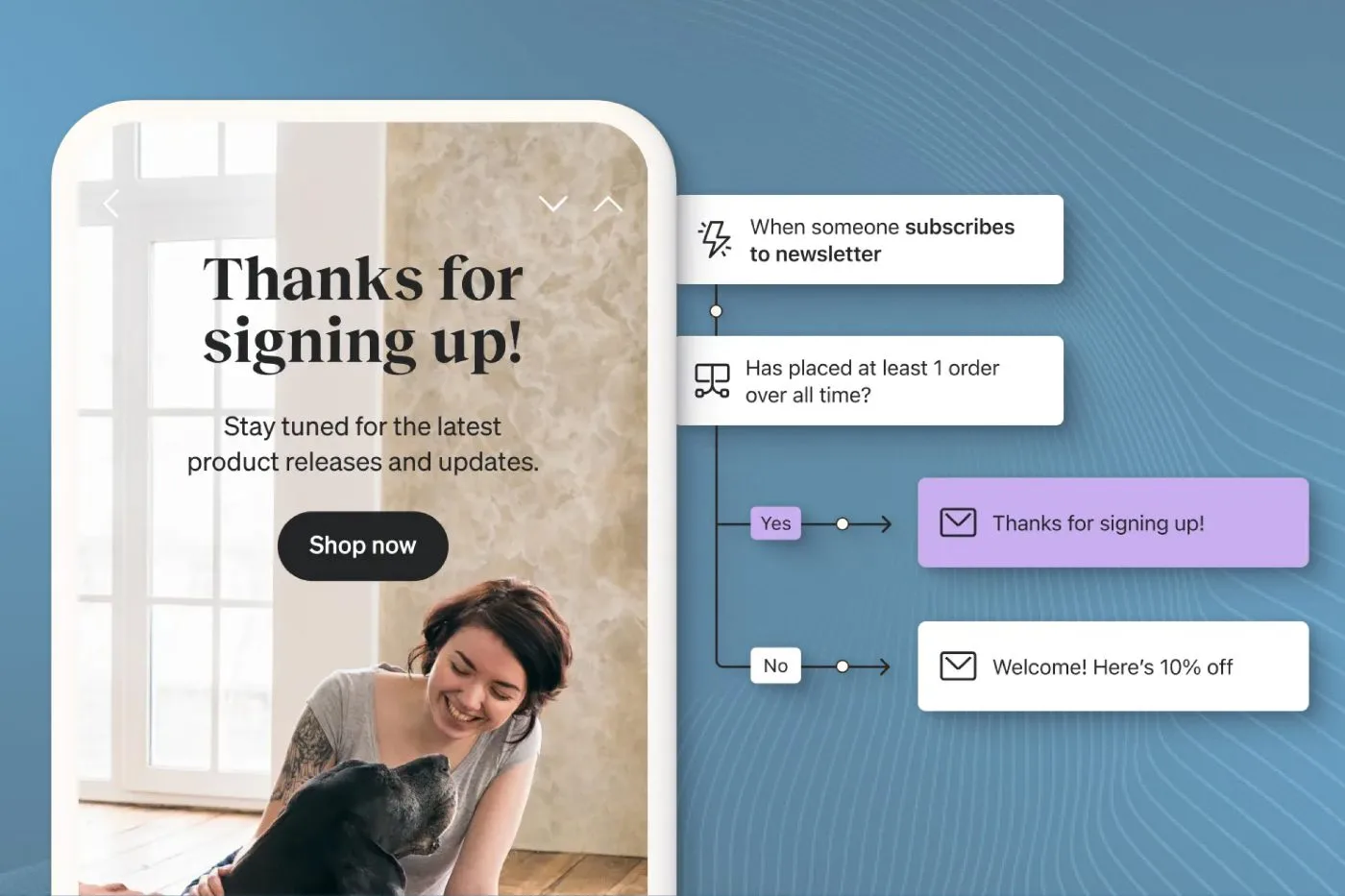
Welcome Series (Built for Conversion)
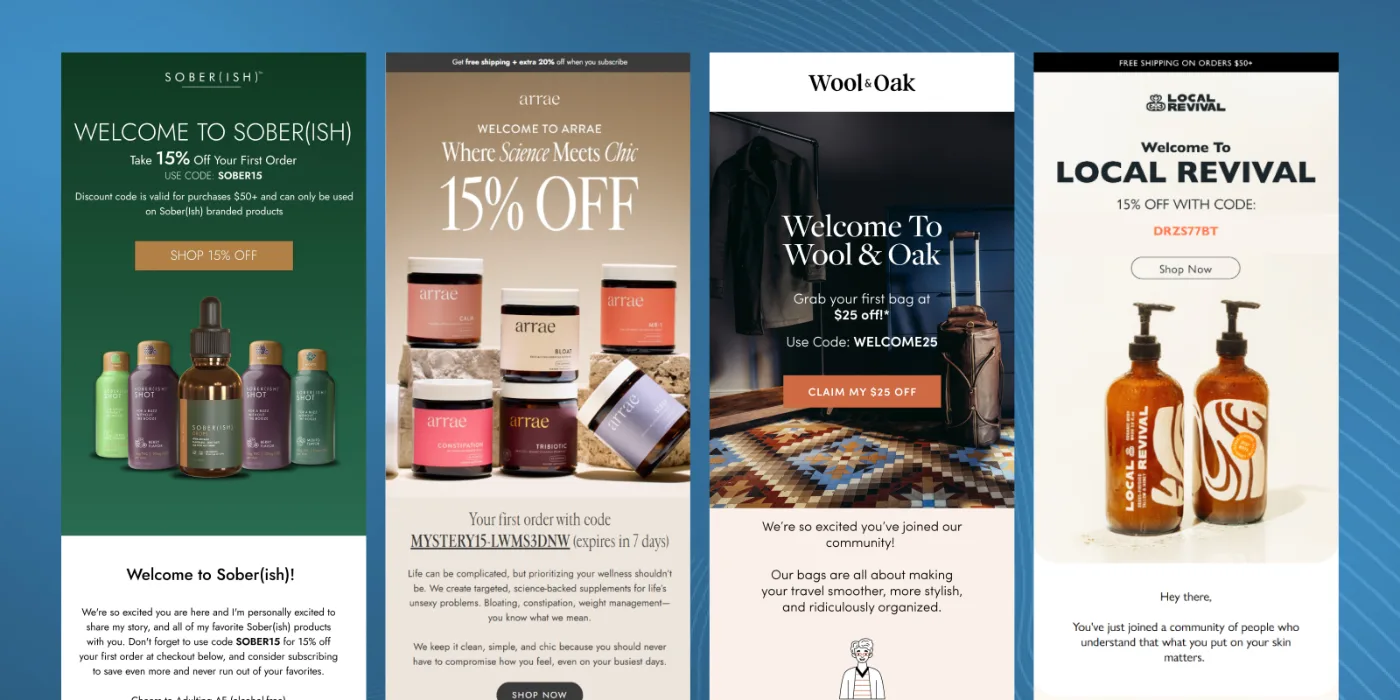
Trigger: Added to newsletter list (single opt-in recommended)
The Welcome Series exists for one reason:
Convert subscribers into first-time customers.
This concept is covered more deeply in our companion article The Complete Guide to the Welcome Series Email Flow, including why this sequence is the most revenue-driving part of your automation stack.
Key Setup Rules
- Triggered by your signup form
- List set to single opt-in (unless deliverability is poor)
- Flow filters:
- Can receive email marketing
- Placed order zero times overall
- Bounced email zero times in the last 30 days
This ensures:
- Only non-customers enter
- Anyone who purchases is removed immediately
- Invalid emails don’t damage deliverability
Structure
Email 1, Immediate
- Deliver the discount code (again)
- Make the offer crystal clear
- No fluff
Email 2, 12 Hours Later
- Reminder
- Reinforce urgency
- Optionally increase incentive
Email 3, 24 Hours Later
- Conditional split based on interest category (zero-party data from signup form)
- Personalised messaging by collection
Final Email, Urgency Push
- 2-4 days later
- Reminder offer
- Ethical urgency only
The entire goal is to win during the 72-hour buying window when subscribers are most likely to convert.
Abandoned Cart Flow
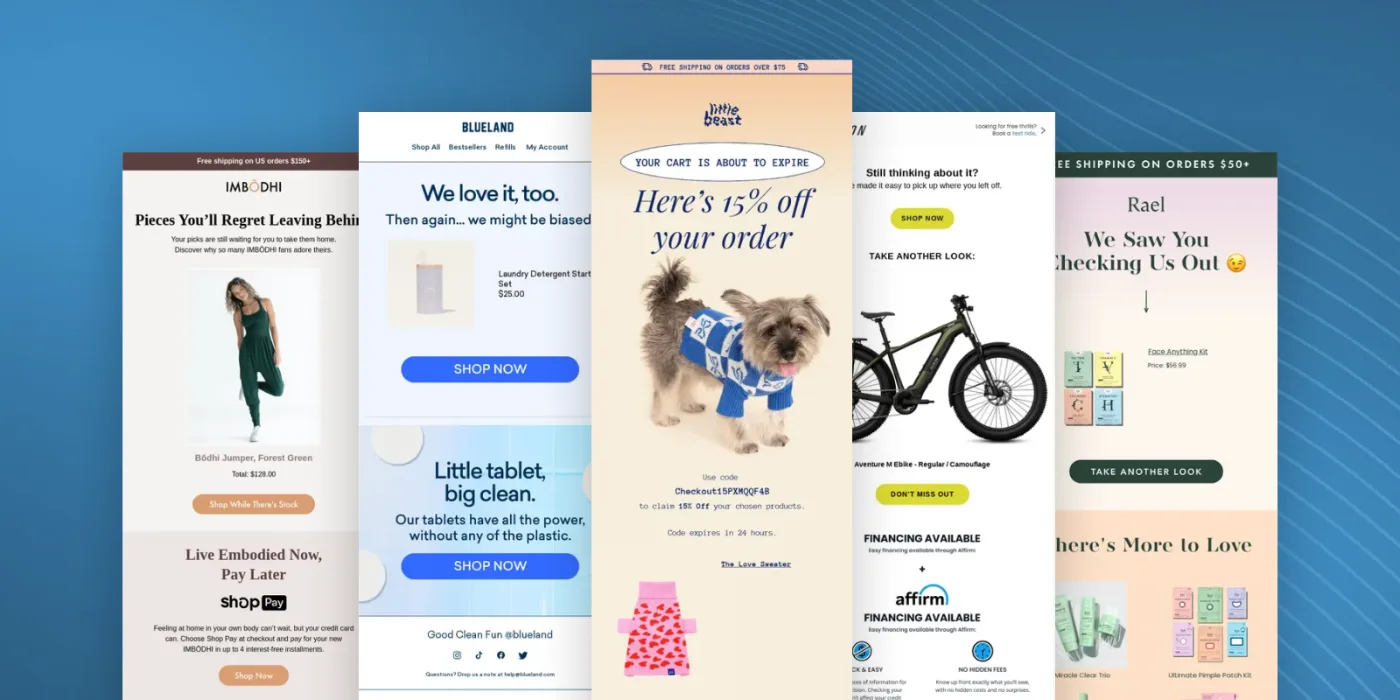
Trigger: Added to Cart (not Checkout Started)
This is one of the highest-return email automations you can build.
Essential Filters
- Placed order zero times since starting flow
- Checkout started zero times since starting flow
- Can receive email marketing
- Bounced email zero times in last 30 days
This prevents overlap with your checkout abandonment flow and protects deliverability.
Smart Structure
- 15- vs 30-minute A/B time delay test
- Split customers vs non-customers
- Non-customers get a discount reminder
- Customers get value-focused reminders without a discount
Then:
- Trigger splits by collection added to cart
- Personalised product messaging
- Final push email (plain text from the founder works extremely well)
This combination of speed, personalisation, and segmentation is what drives above-average performance.
Abandoned Checkout Flow
Trigger: Checkout Started
This is cloned from the Abandoned Cart but triggered later in the journey.
Key difference:
- Remove “Checkout Started” exclusion filter
- Maintain product category splits
- Maintain structured incentives for non-customers
This is your second last chance to recover intent before purchase.
Browse Abandon Flow
Trigger: Viewed Product
This is a lighter-intent flow.
Why It Matters
Many subscribers never add to cart, but they do view products. Addressing this early can significantly increase overall conversion and improve subscriber engagement.
Just be sure to exclude anyone who has:
- Added to cart
- Started checkout
- Placed an order
This avoids conflicts with higher-intent automations.
Post-Purchase Thank You Flow
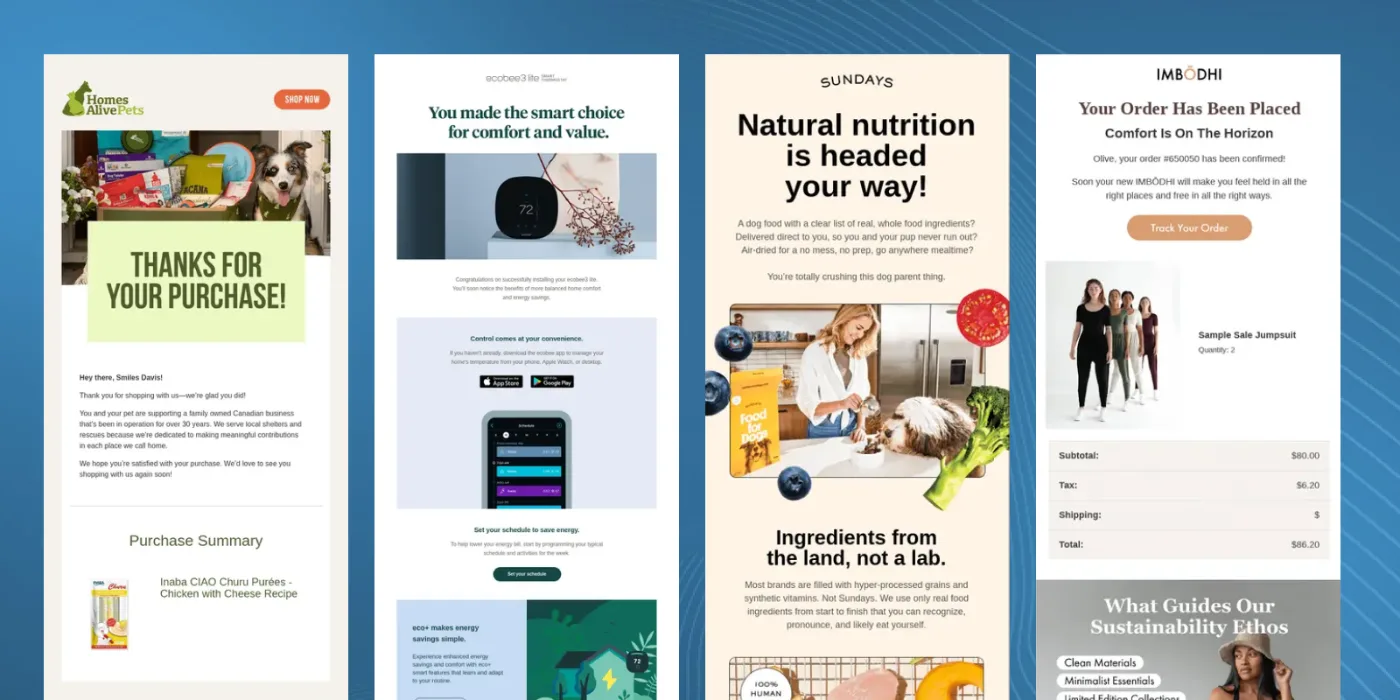
Trigger: Placed Order
This flow isn’t about selling; it’s about relationship building.
20-Minute Delay Is Critical
This creates space between the platform’s order confirmation email and your personalised “thank you” message, which feels more human.
Key tactics:
- Plain text emails from founder
- Thank first-time and returning buyers separately
- Turn off smart sending
- Enable UTM tracking
This builds trust and increases repeat purchase probability over time.
Fulfilled Order Flow
Trigger: Fulfilled Order (or Delivered Order if available)
This flow reinforces product use and opens the door to intelligent upsell/cross-sell based on purchase history.
Example Structure
- Shipment confirmation (transactional status recommended)
- Product education or usage best practice
- Cross-sell based on item category
- Optional second purchase incentive
Personalised follow-ups like this directly contribute to long-term customer value.
Win-Back Flow
Trigger: No purchase after a set delay
This flow re-engages customers who haven’t bought again in ~35 days (or tuned to your business’s repurchase cycle).
Use incentives only for first-repeat buyers, and pair with plain text creative for better inbox placement and emotional resonance.
Sunset Flow (Protecting Deliverability)
Trigger: Entered unengaged segment
At a minimum, define unengaged as:
- No opens in 120 days
- No recent email subscription activity
- No recent purchase
This is a retention hygiene flow, not a revenue driver. Its goal is to clean the list and protect deliverability.
We tag them with a custom property and suppress them monthly to reduce Klaviyo costs and improve inbox placement.
Google Review Flow
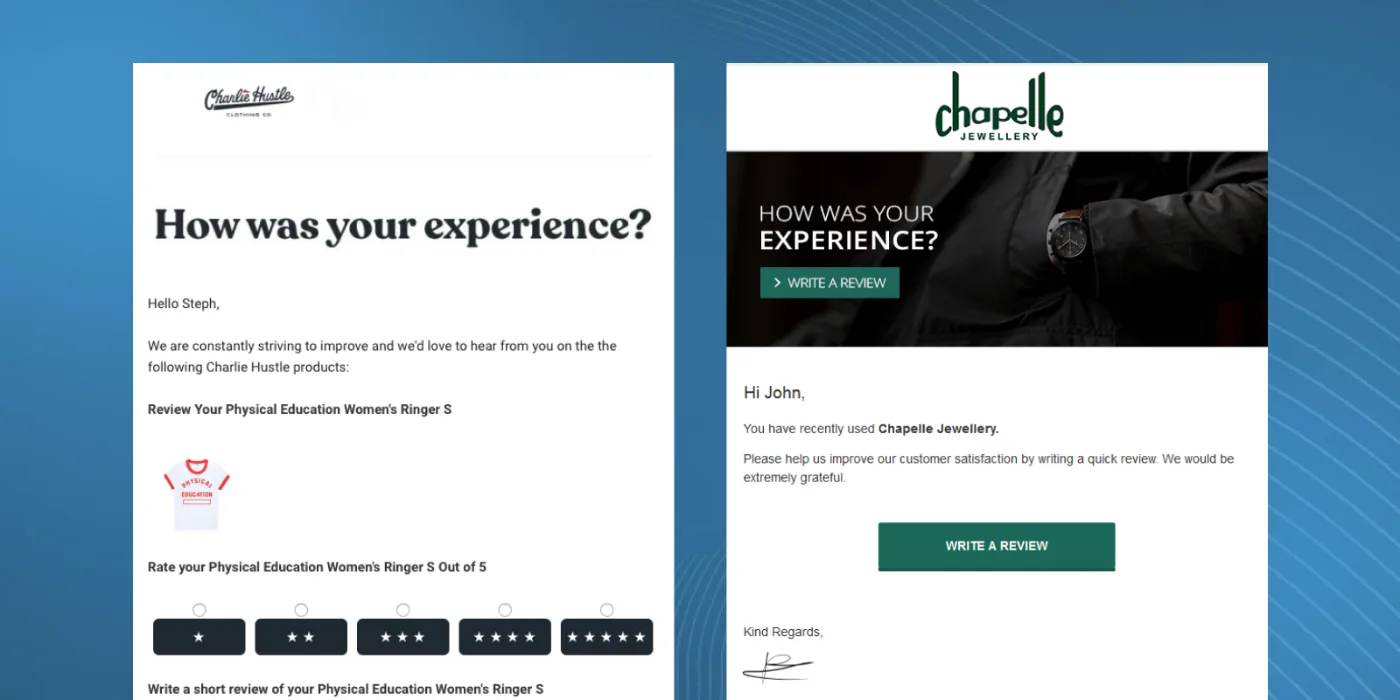
Trigger: Fulfilled/Delivered Order
Timing matters here: we want customers to have used the product before we ask for a review.
Since Klaviyo doesn’t integrate directly with Google Business, we use a time-delayed plain text request with a direct link to the review page.
The goal isn’t volume; it’s quality and compliance (no incentives or review gating).
Site Abandon Flow (Sales Only)
Trigger: Site activity
Triggered by a low-intent action (site visit), this flow should only be enabled during sales or promotions. Otherwise, it will trigger too frequently and harm deliverability.
Keep it light:
- Single or two email pushes
- Sale or offer details
- Short time delays (15 / 30 minutes)
Cancelled Order Flow
Trigger: Cancelled Order
This transactional flow immediately acknowledges the cancellation and provides support options.
Use a short delay (~5 minutes), split based on refund status, and apply transactional status to improve deliverability.
Your message should be clear, empathetic, and include support contacts and order details.
Refunded Order Flow
Trigger: Refunded Order
Like cancellations, refund notifications should be:
- Direct
- Clear
- Helpful
These aren’t design-focused emails; they’re transactional. Applying transactional status here ensures better inbox placement.
How These Flows Work Together
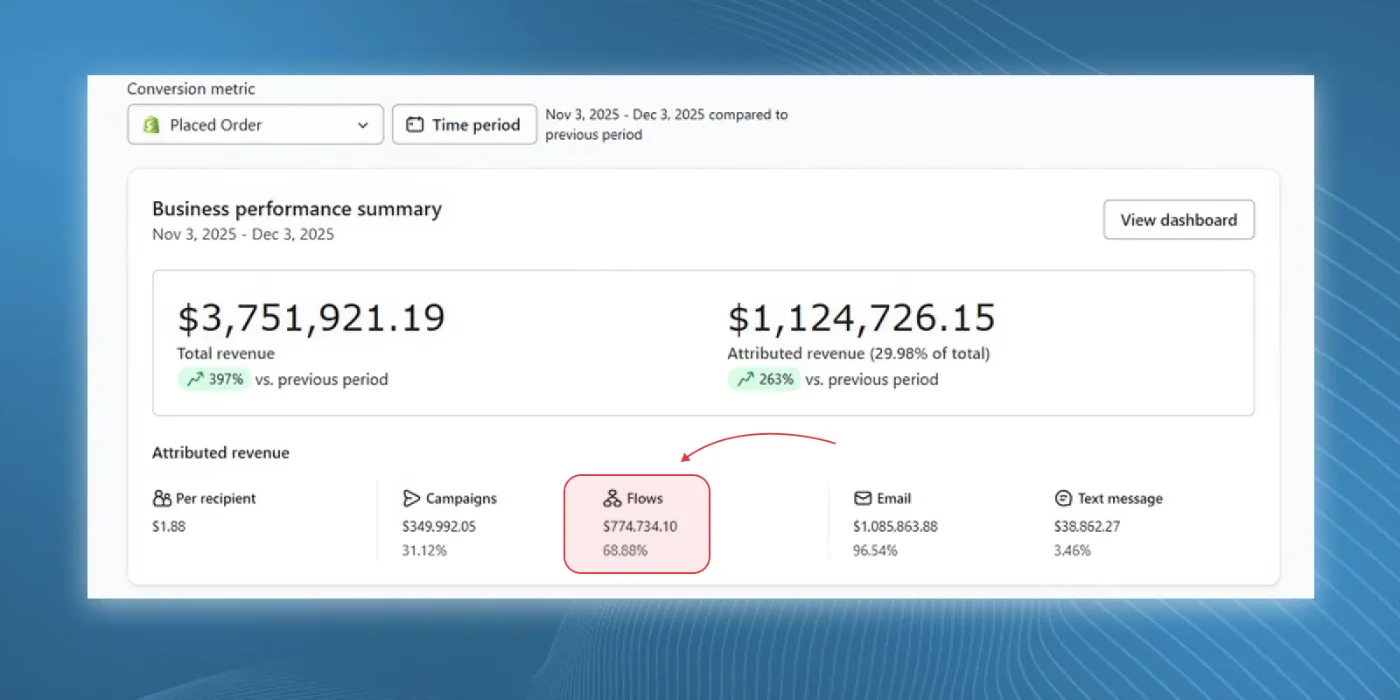
The real power isn’t in one flow; it’s in the ecosystem you build.
Together, these automations dramatically improve key performance metrics:
- Conversion rates
- Subscriber engagement
- Repeat purchases
- Deliverability and sender reputation
They also tie into other strategy areas like segmentation and newsletter design, areas covered in posts like Email Marketing Design Ideas, which can help you match your creative with your automation strategy.
Final Thoughts
Email marketing in 2026 isn’t about blasting campaigns; it’s about precision automation.
When these flows are built correctly, email becomes:
- Your best revenue driver
- A retention engine
- A creator of repeat customers
- A protector of list health and deliverability
If you’re missing even half of these flows, there’s revenue left on the table.
Want to see all of this built step-by-step inside Klaviyo? Watch the full walkthrough on YouTube here.
Or if you want a professional audit of your automation system, we’re here to help. Your email flows shouldn’t just exist; they should perform.