1. Open Rate
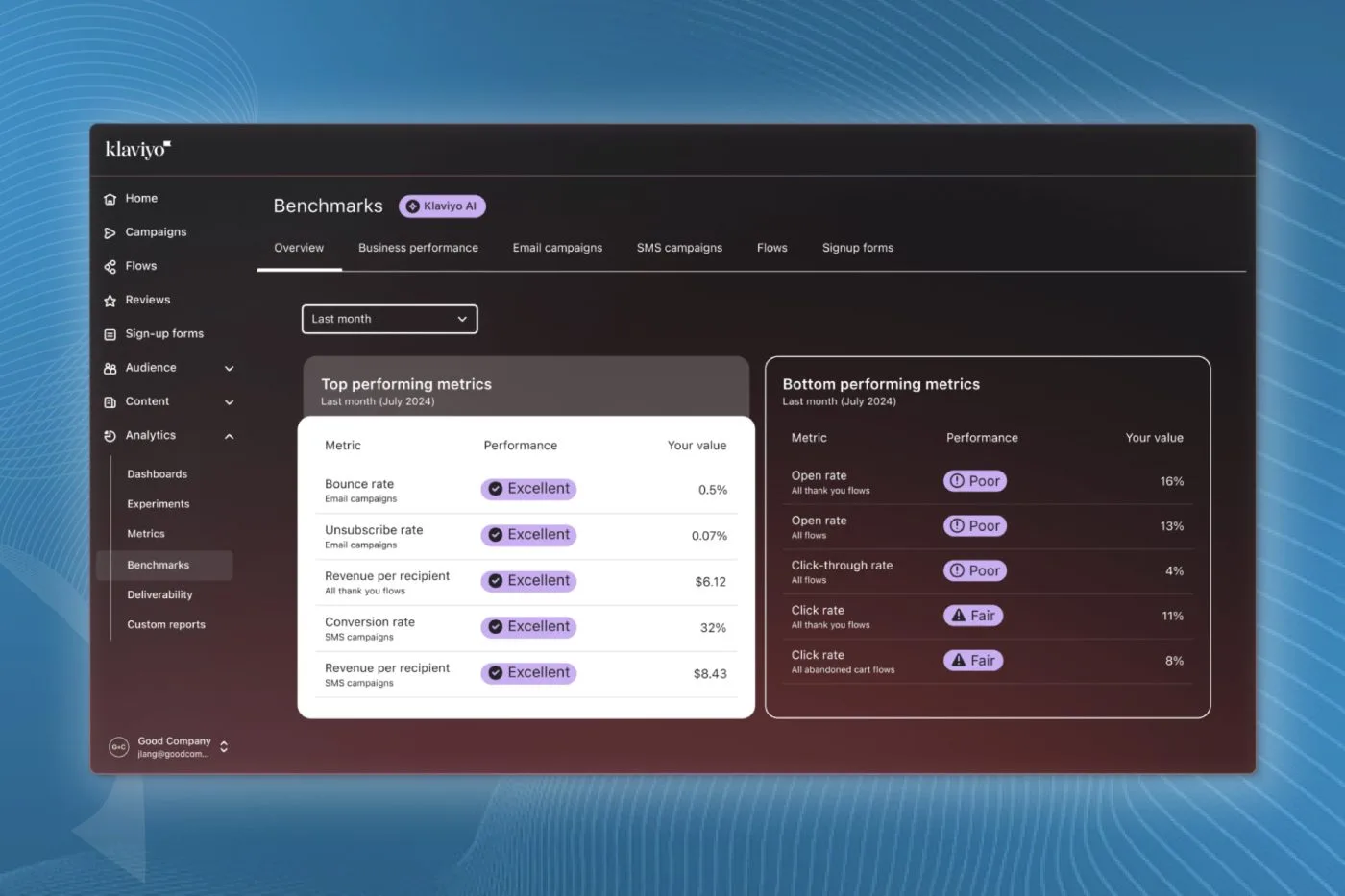
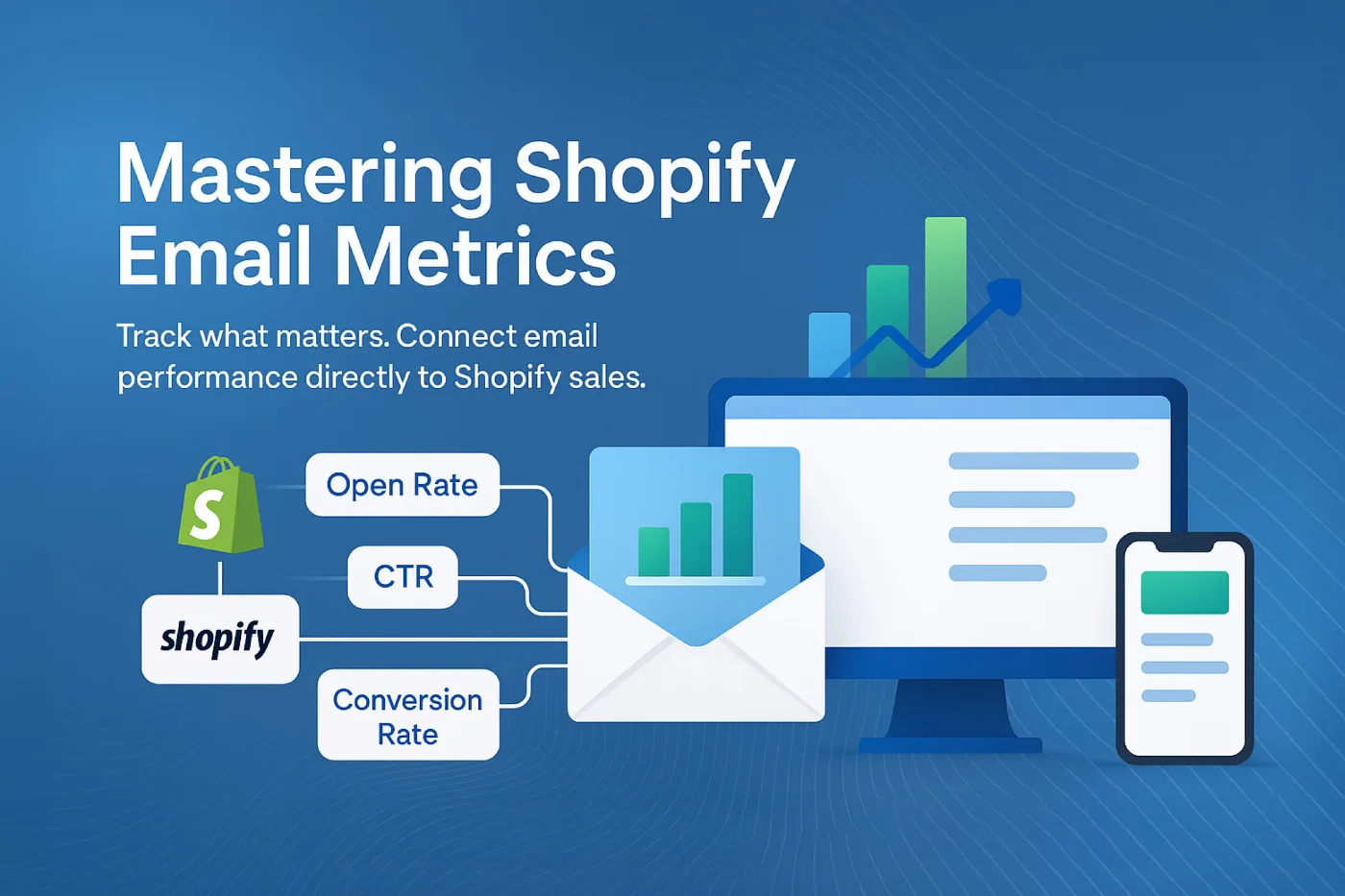
Your email open rate shows the percentage of subscribers who open your emails compared to the total number delivered. For ecommerce businesses, this metric gives you insight into how well your subject lines perform and whether you’re reaching customers at the right time.
A high open rate means your subscribers are interested in your content and your subject lines are compelling enough to get clicks. Most ecommerce businesses see open rates between 15-25%, though this can vary significantly by industry and email type.
Promotional emails tend to have lower open rates than transactional emails like shipping confirmations or order receipts.
If you’re noticing low open rates (below 15%), it might mean:
- Your subject lines aren’t attracting attention
- You’re sending at suboptimal times
- Your list has many inactive subscribers
- Your sending name isn’t recognizable
One thing to keep in mind: Apple’s Mail Privacy Protection has impacted open rate accuracy since 2021. While still useful for comparing campaign performance, absolute open rates may be inflated. That’s why it’s important to look at this metric alongside others like click rates and conversions.
2. Click Rate
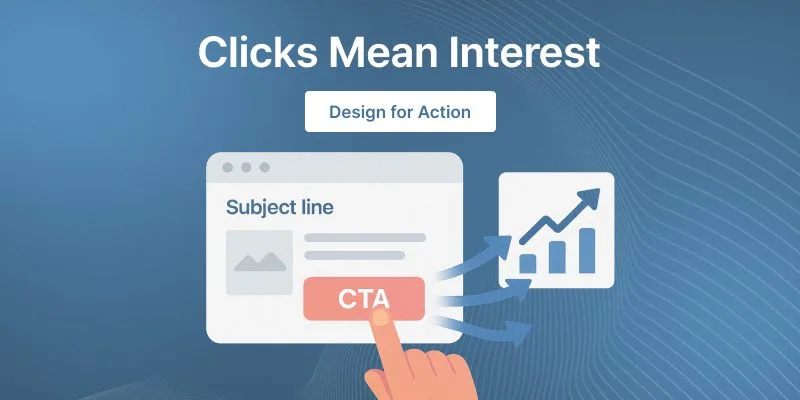
Your click rate (or click-through rate) measures how many people clicked on links in your email compared to how many received it. This is one of your most valuable ecommerce email metrics because it shows if people are actually engaging with your content and product offerings.
A strong click rate indicates your email content is relevant and your calls-to-action are effective. The average click rate for ecommerce emails is between 2-3%, with the average number of overall clicks being 2.62%. But top-performing campaigns can see rates of 5% or higher.
If you’re seeing low click rates, you might need to:
- Make your offers more compelling
- Improve your email design and layout
- Make your calls-to-action more prominent
- Segment your list for better targeting
For ecommerce emails, you’ll want to track product link clicks versus other content clicks. This helps you understand which products generate the most interest from your subscribers and can help with your future product selections and promotional strategies.
3. Active on Site
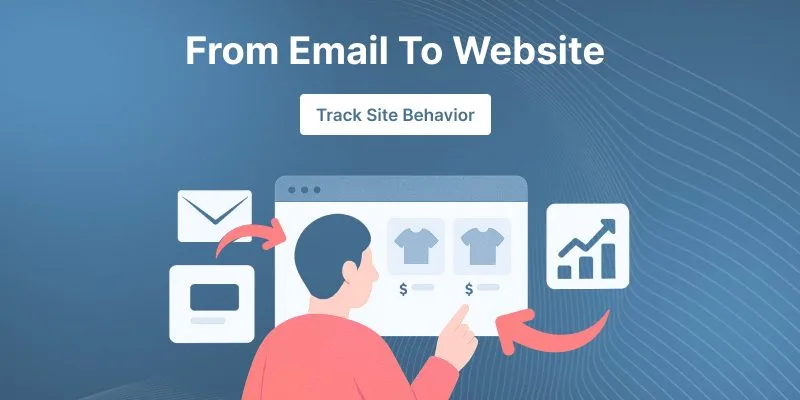
The “active on site” metric is your window into what happens after the email click-through. It reveals the full picture: time spent browsing your store, number of pages viewed, products explored, items added to cart, and navigation patterns across your site.
This metric is helpful for ecommerce because you can understand the true quality of your email-generated traffic.
When you see high site activity, it’s a strong indicator of buying intent. Conversely, low engagement might signal a disconnect between your email offers and what customers actually want.
The real power comes in how you can leverage this data. Use it to refine your product recommendations, adjust your email content strategy, identify high-interest products, spot potential website usability issues, and create more effective follow-up campaigns.
For context, many successful ecommerce businesses see average session durations of 3-4 minutes from email traffic, with visitors viewing 4-5 pages per session.
4. Conversion Rate
Your email conversion rate measures how many people complete a purchase after clicking through from your email. This is pretty much the most important metric directly tied to how much money you’ll make in ecommerce.
High conversion = more sales, it’s as simple as that.
A high conversion rate means your email campaigns are driving more people to take the action you want. The average email conversion rate for ecommerce is between 1-2%, though this heavily varies by:
- Industry
- Product type
- Price point
- Campaign type
- Season
Automated email campaigns like abandoned cart reminders and post-purchase follow-ups tend to have higher conversion rates than standard promotional emails. Some automated campaigns can see conversion rates of 5% or higher.
To improve your conversion rates, make sure your landing pages match your email content. You can also optimize your checkout process, use targeted offers based on customer behavior, test different price points and promotions, and create urgency with limited-time offers.
5. Revenue per Recipient
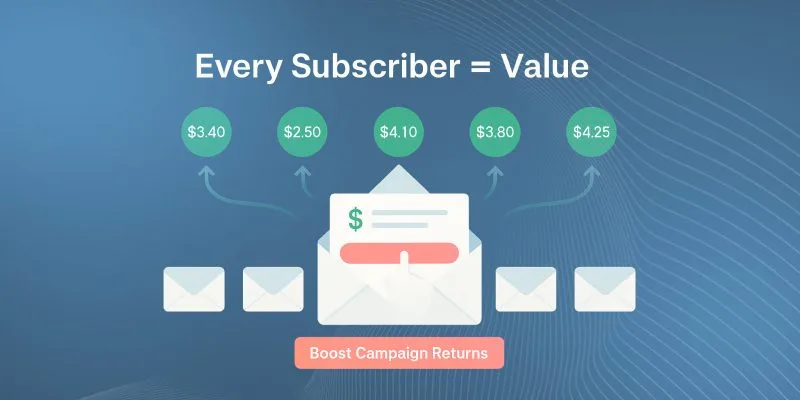
Revenue per recipient (RPR) tells you how much money each person on your email list generates on average. This metric helps you understand the actual financial impact of your email marketing efforts and can guide your list building investments.
To calculate RPR, divide your total email-generated revenue by the number of delivered emails. For example, if a campaign to 10,000 subscribers generates $5,000 in sales, your RPR would be $0.50.
Average RPR varies widely by industry and product type:
- Low-cost items: $0.10, $0.50 per recipient
- Mid-range products: $0.50, $2.00 per recipient
- Luxury goods: $2.00+ per recipient
While you might not think of this as an important ecommerce email metric right off the bat, it’ll become much more relevant when you start comparing the success of different audience segments and lists down the road.
6. Deliverability
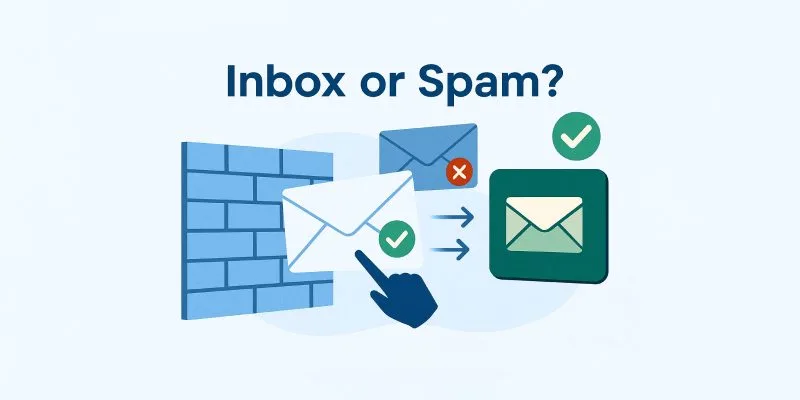
Email deliverability measures how many of your emails actually reach subscribers’ inboxes versus bouncing or landing in spam folders. It’s a basic metric that you should pay attention above everything else. Face it, if your emails aren’t being delivered, none of your other metrics matter.
Strong deliverability (95%+) means email providers trust your sending practices. Several factors influence deliverability:
- List quality
- Sending infrastructure
- Content quality
- Engagement rates
- Sender reputation
For ecommerce businesses, maintaining good deliverability is essential since email often drives about 30% of total revenue. Poor deliverability can directly impact your bottom line. Common deliverability issues might include high bounce rates, spam complaints, low engagement, poor list hygiene, and technical authentication problems.
7. Unsubscribe Rate
Your unsubscribe rate shows how many people opt out of your email list after receiving a campaign. While some unsubscribes are normal, this metric helps you spot potential problems with your email strategy.
A healthy unsubscribe rate is under 0.2% per campaign. Rates above 0.5% should trigger immediate review of your:
- Email frequency
- Content relevance
- Segmentation strategy
- Offer quality
- List acquisition methods
Certain types of campaigns typically see higher unsubscribe rates, such as welcome series emails, re-engagement campaigns, major promotional announcements, and changes to terms or policies.
8. Spam Rate
The spam rate measures how often your emails are marked as spam by recipients. This is a critical metric because high spam rates can damage your sender reputation and impact deliverability across your entire email program.
A good spam rate should be under 0.1%. Anything higher needs immediate attention as it could indicate problems with:
- Content quality
- List permission
- Sending frequency
- Value proposition
- Email authentication
For ecommerce businesses, common spam triggers include excessive promotional language, poor list hygiene, misleading subject lines, lack of unsubscribe options, and high-pressure sales tactics.
9. Bounce Rate
Your bounce rate shows the percentage of emails that weren’t delivered successfully. There are two types:
- Soft bounces: Temporary delivery issues like full inboxes
- Hard bounces: Permanent failures like invalid addresses
A healthy bounce rate stays below 2%. Higher rates often indicate list quality issues and need to be addressed quickly to maintain good deliverability. Common causes of bounces include invalid email addresses, blocked sending domains, technical issues, inactive email accounts, and full mailboxes.
Key Ecommerce Email Marketing Benchmarks
Understanding industry benchmarks helps you set realistic goals and identify areas for improvement. This will vary depending on your industry, target audience, and where you’re located.
Keep in mind, these are benchmarks… they’re not gospel. Your type of business will determine what rates are acceptable.
A good example would be a high-profit service-based business compared to a low-margin ecommerce retailer. The high-profit service business will almost always have a lower conversion rate but they’ll make more per sale so it’s okay.
The low-margin ecom business will need a higher conversion rate because they need more sales to break even.
Here’s what good performance looks like across different areas:
By Industry
Retail/Ecommerce
- Open Rate: 31-42%
- Click Rate: 1.1-2%
- Conversion Rate: 0.1-1%
- Unsubscribe Rate: 0.08-0.2%
Fashion/Apparel
- Open Rate: 35-45%
- Click Rate: 1.3-2.5%
- Conversion Rate: 0.2-1.2%
- Unsubscribe Rate: 0.1-0.25%
Beauty/Personal Care
- Open Rate: 39-48%
- Click Rate: 1.4-2.2%
- Conversion Rate: 0.15-0.9%
- Unsubscribe Rate: 0.12-0.28%
By Region
North America
- Open Rate: 38-45%
- Click Rate: 2-2.5%
- Bounce Rate: 0.5-1%
Europe
- Open Rate: 35-42%
- Click Rate: 1.8-2.2%
- Bounce Rate: 0.4-0.8%
Asia-Pacific
- Open Rate: 32-40%
- Click Rate: 1.5-2%
- Bounce Rate: 0.6-1.2%
How to Improve Your Open Rate
Here are some of the best ways to improve your open rates:
Subject Line Best Practices
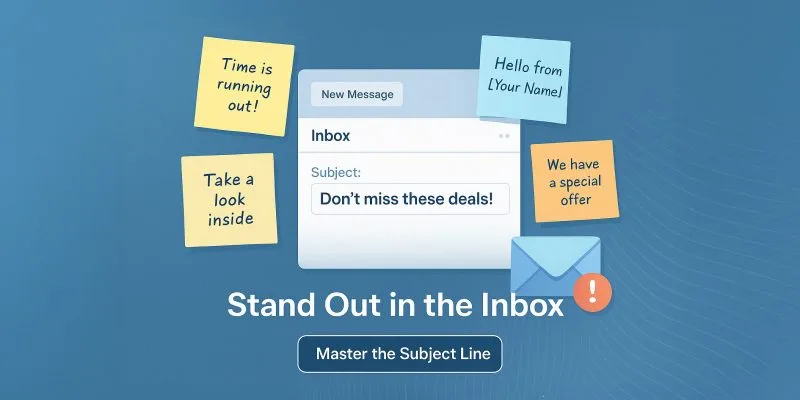
Crafting successful subject lines is your first step to improving your open rates. Start by using personalization thoughtfully, this means going beyond just inserting a first name and actually reflecting your subscribers’ interests and behaviors.
Keep your subject lines short and to the point, preferably under 50 characters, so they completely show on mobile devices. When you’re creating urgency, make sure it’s genuine and based on real limitations.
Make sure you test different approaches to see what resonates with your audience, and be careful to avoid common spam trigger words that could send your emails to the junk folder.
Send Emails at the Right Time
Timing plays a huge role in email success. Take the time to analyze your audience’s activity patterns to understand when they’re most likely to engage with your messages.
Run tests across different days and times to identify ideal sending windows for your specific customer base. Marketing automation can help you deliver emails at the perfect time for each subscriber based on their past engagement.
Don’t forget to account for different time zones in your sending strategy, especially if you have an international customer base. Keep an eye on seasonal changes too, subscriber behavior often shifts during holidays or different times of the year.
Focus on List Management
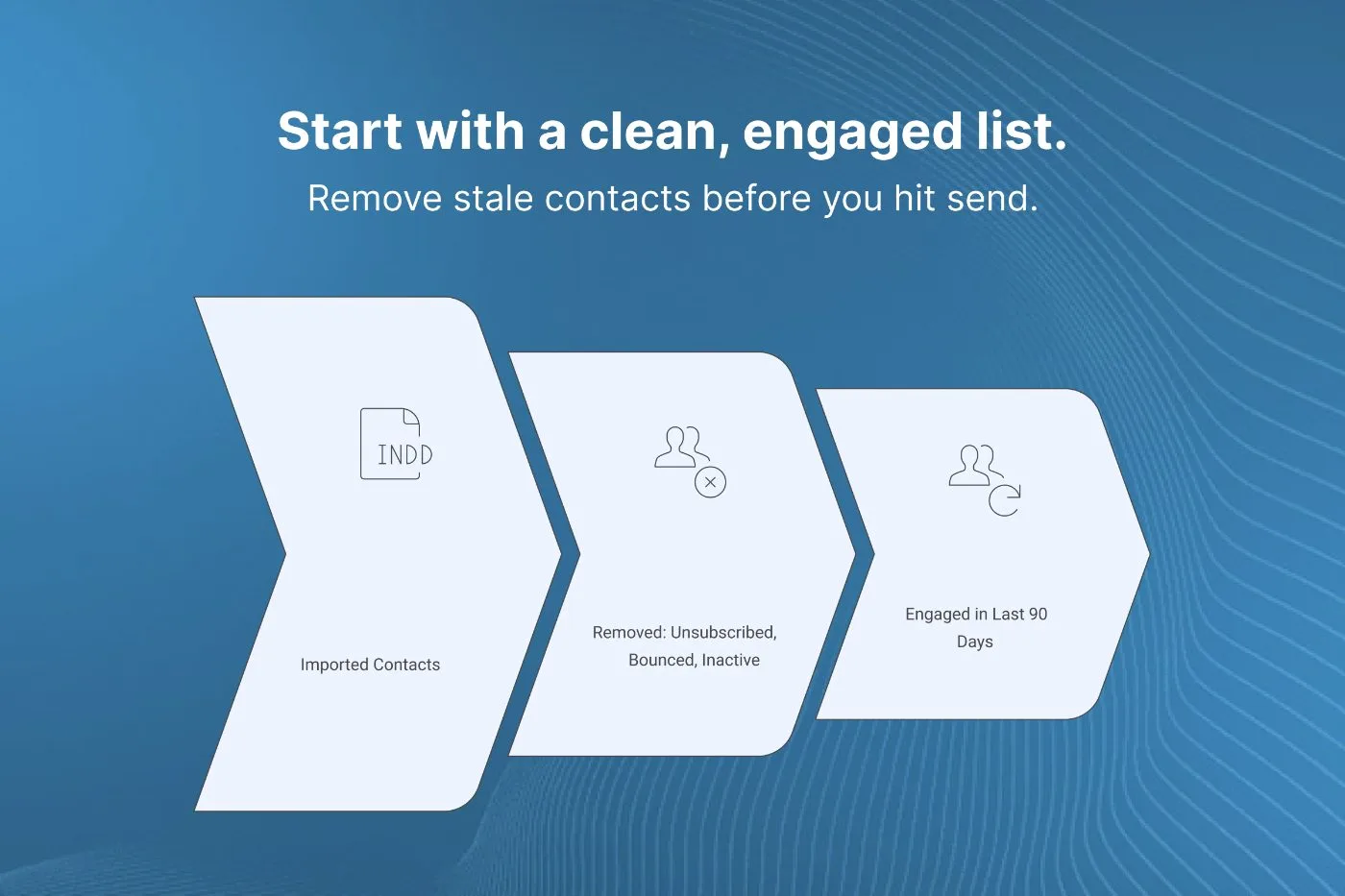
The quality of your email list directly impacts your open rates. Regularly remove inactive subscribers who haven’t engaged with your emails in months, they’re dragging down your metrics and potentially hurting deliverability. Validate email addresses before adding them to your list to prevent hard bounces.
Implement double opt-in to ensure you’re only sending to people who genuinely want to hear from you. Segment your audience based on their interests and behaviors so you can send more targeted, relevant content. Make list cleaning a regular part of your email maintenance routine, not just something you do when problems arise.
How to Improve Your Click Through Rate
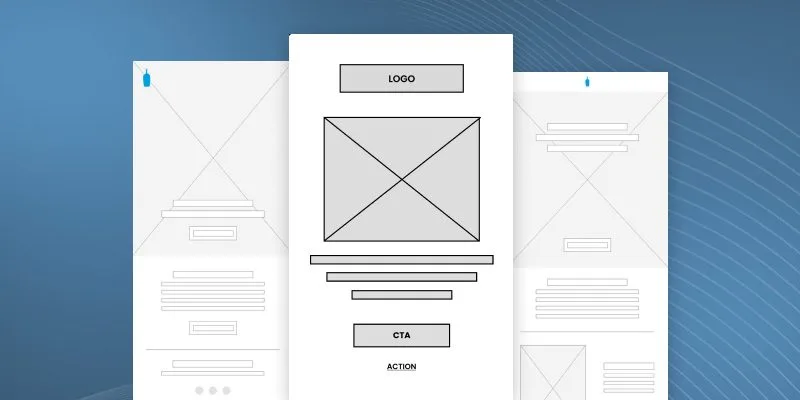
Improving your click-through rates starts with mobile optimization. Most of your subscribers are reading emails on their phones, so you need to design with mobile in mind. This means using large, easily tappable buttons that stand out on smaller screens.
Your layout should feature clear spacing between links to prevent accidental clicks, and font sizes need to be large enough to read without zooming. Keep your layouts simple and clean, and ensure your images load quickly to prevent readers from losing interest.
Your calls-to-action play a crucial role in driving clicks. Make your buttons visually distinct from the rest of your email content so they immediately catch the eye. Use action-oriented text that compels readers to click, but be selective about how many CTAs you include in each email, too many options can overwhelm subscribers and reduce clicks.
Test different button placements to find what works best for your audience, and create a clear visual hierarchy that guides readers toward your primary call-to-action.
Personalization can significantly boost your click rates when done right. Use your subscribers’ previous purchase history to recommend relevant products they’re likely to be interested in.
Their browsing behavior on your site can also inform which products or categories to feature in your emails. Consider how different customer segments might respond to various offers, and adjust your content accordingly. Factor in purchase frequency to time your promotional emails better, and always align your product recommendations with demonstrated customer interests.
How to Increase Deliverability
Maintaining strong deliverability requires ongoing list maintenance.
Keep a Clean List
Maintaining strong deliverability requires ongoing list maintenance. Start by immediately removing any hard bounces as they occur, these invalid addresses can harm your sender reputation if you continue trying to reach them.
Run regular cleanup campaigns to keep your list healthy, and implement double opt-in for new subscribers to ensure you’re only adding valid, interested contacts to your list. Regularly validate email addresses, particularly those that haven’t engaged recently, and keep close tabs on engagement metrics across your list.
Make Sure You’re Technically Sound
Following email best practices is essential for good deliverability. Always send from a consistent domain that subscribers recognize and trust. Make sure your sending domain is properly authenticated to prevent spoofing and improve inbox placement.
Keep your sending volume steady rather than dramatically increasing it, which can trigger spam filters. Regularly monitor blacklists to catch any potential issues early, and ensure you’re using proper infrastructure that can handle your sending volume reliably.
Always Monitor Engagement
Your engagement metrics provide valuable insights for maintaining deliverability. Pay attention to how your open rates trend over time, as declining engagement can signal potential deliverability issues.
Track your click rates to understand if your content resonates with subscribers, and monitor spam complaints carefully, even a small increase can impact your sending reputation. Watch your unsubscribe patterns for signs that you might need to adjust your strategy, and consider how long subscribers have been on your list when evaluating engagement.
How to Reduce Unsubscribes
Setting clear expectations from the start is crucial for maintaining a healthy subscriber base. When someone joins your list, be upfront about how often they’ll hear from you and what types of content they’ll receive.
Let them know about your approach to special offers and your overall communication style. Most importantly, clearly communicate the value they’ll get from being on your list, whether that’s early access to sales, exclusive content, or special member benefits.
Strategic segmentation helps ensure subscribers only receive relevant content. Use purchase history to group customers by their interests and preferences. Look at email engagement patterns to identify who might need more or less frequent communication.
Consider browsing behavior to understand what products or categories interest different subscribers. Take into account customer value when planning promotional strategies, and always respect subscriber preferences about content types and frequency.
Giving subscribers control over their email experience can significantly reduce unsubscribes. Let them choose their preferred email frequency rather than taking a one-size-fits-all approach. Offer options for different content types so they can receive only the information that interests them most.
Provide easy ways to update communication preferences without unsubscribing completely. Make account settings easily accessible, and offer multiple subscription options to match different levels of engagement. This empowerment helps subscribers feel in control and more likely to stay engaged with your emails.
Final Thoughts
Your ecommerce email metrics tell a story about how well you’re connecting with your customers. By tracking these 9 key metrics and working to improve them, you can build a more effective email marketing program that drives real results for your ecommerce business.
Each metric provides unique insights into your campaign performance, but they work best when analyzed together. Look for patterns and relationships between metrics to identify opportunities for improvement and optimization.
Ready to take your email marketing to the next level? In-box helps you track, analyze, and improve all these metrics with our powerful ecommerce email marketing platform. Our intuitive dashboard makes it easy to monitor your performance and spot opportunities for growth.
Enquire today with In-box and see how we can help you drive more sales through email. Our team of experts will help you set up tracking for all these essential metrics and develop strategies to improve your results.