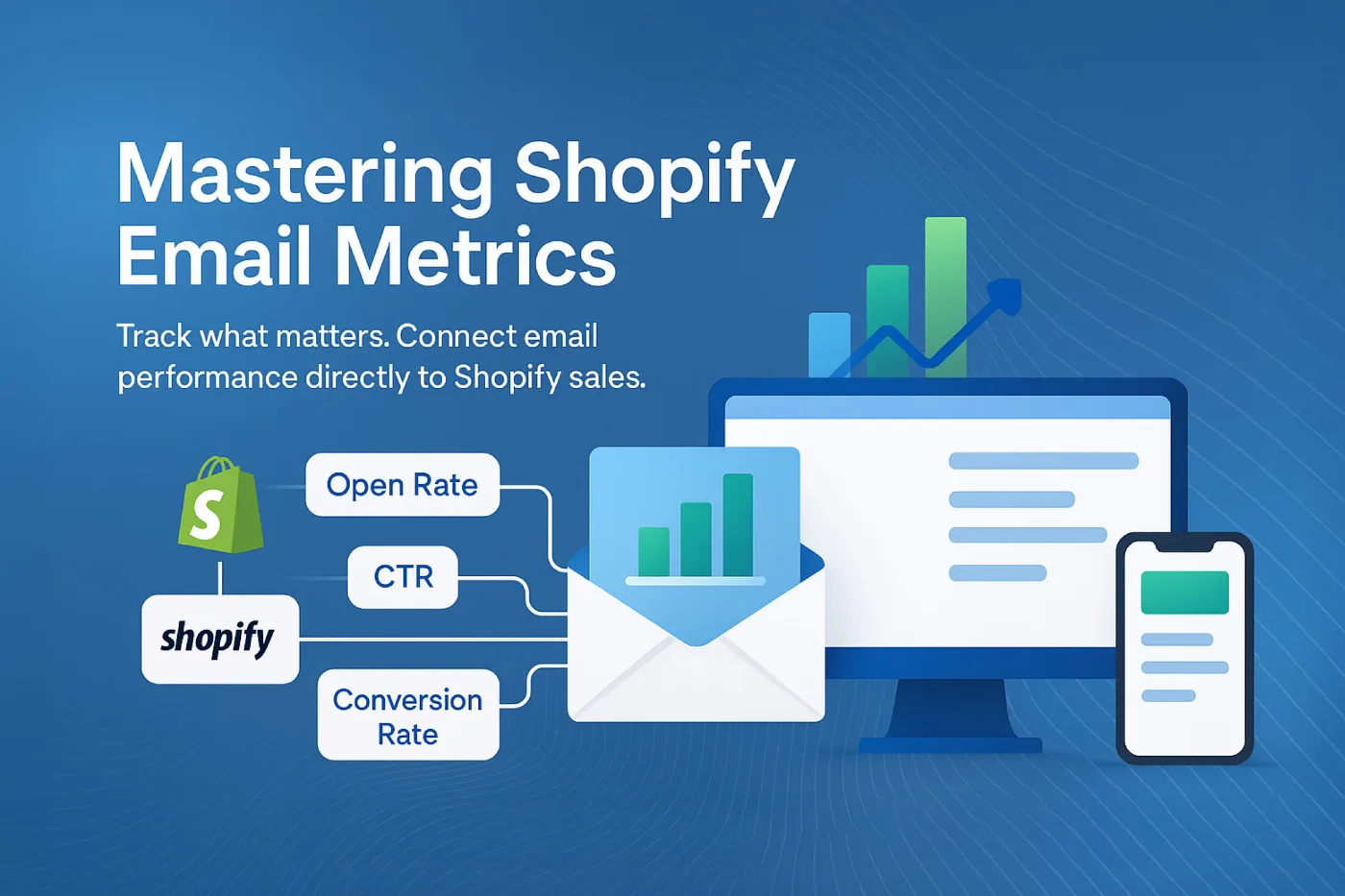
What is Email Conversion Rate?
Your email conversion rate provides insight into the success of your overall email marketing campaign. Opens and clicks offer part of the picture, but conversion rates actually show you whether or not your emails are actually driving the right actions from your subscribers.
It’s not just about how many people show up, but how many people actually take part in what it is you’re offering.
So, your email conversion rate measures the percentage of people on your list who complete the action you want them to take. The action could be:
- Completing a form
- Making a purchase
- Signing up for a webinar
- Downloading a resource
- Entering their information
- Referring you to someone
- Scheduling a demo
- …or many other things
The main thing to remember about using the email conversion rate formula is that you’re measuring people who reach the final step of the funnel, whatever that might be.
Your conversion rate paints the clearest picture of your email marketing ROI.
Understanding Micro vs. Macro Conversions
Email marketing creates two distinct types of conversions. Micro conversions are smaller actions that lead toward your main goal. Opening your email, clicking through to your website, watching a video, or reading a blog post all count as micro conversions. These small actions show engagement and interest from your subscribers.
Macro conversions represent your end goals. When someone completes a purchase, signs up for your service, books an appointment, or requests a quote, that’s a macro conversion. These directly impact your bottom line and drive business growth.
The Email Conversion Rate Formula
The math behind conversion rates is straightforward. Here’s how to calculate email conversion rate:
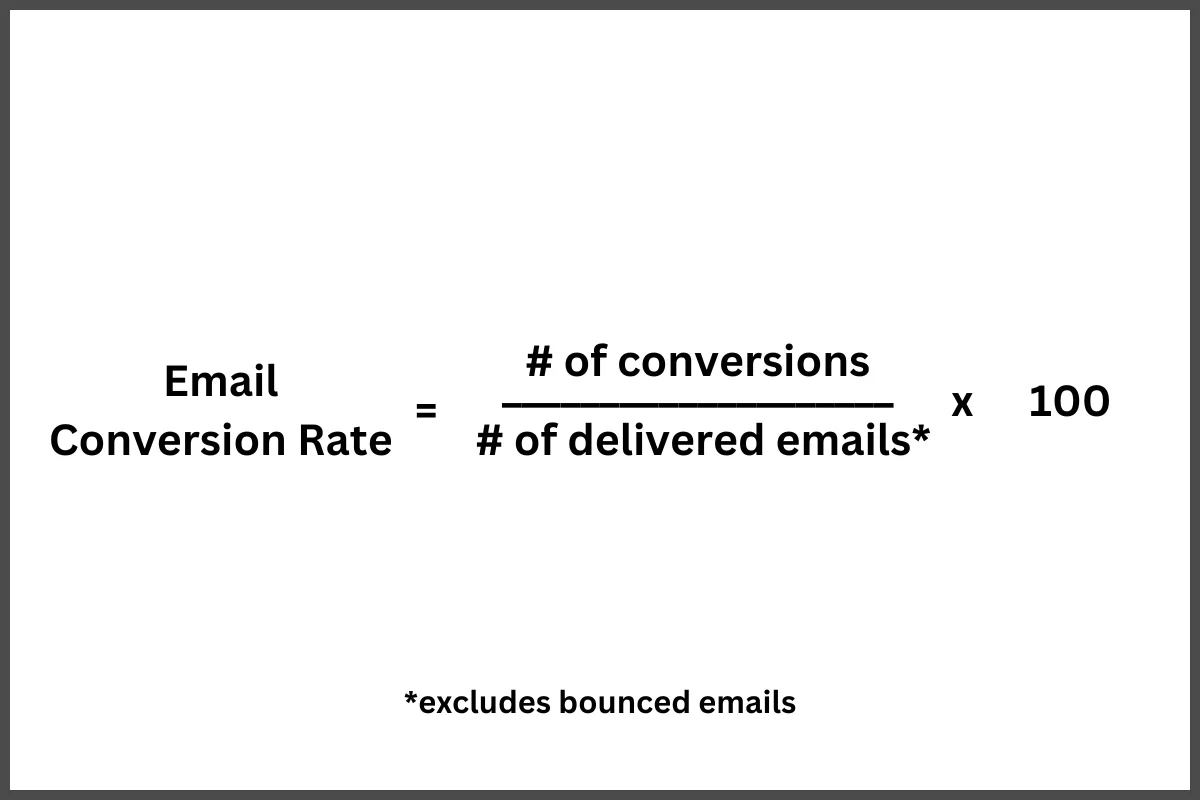
Email Conversion Rate = (Number of Conversions ÷ Number of Delivered Emails) × 100
Let’s break this down with a real example. Say you send an email to 1,000 subscribers. 50 emails bounce, and of the 950 delivered emails, 85 people make a purchase. Your conversion rate would be: (85 ÷ 950) × 100 = 8.95%
Getting Accurate Numbers
When figuring out your conversion rate, focus on actual delivered emails rather than just sent emails. Count only completed conversions, not attempts. Keep your timeframe consistent and make sure you’re comparing the same type of conversion across campaigns.
Don’t include bounced emails in your calculations. Keep track of unique conversions to avoid counting the same action multiple times. Give your campaigns enough time to generate results, looking at data too early might not show the full picture.
Benchmark Data and Industry Standards
Understanding how your conversion rates compare to different industries helps you set realistic goals. Keep in mind, these are rough numbers, don’t take them exactly as-is. You should always shoot for higher conversion rates… but lower doesn’t always mean “worse.”
If you’re converting less subscribers but making more per conversion for example, it could mean that you’re reaching a more targeted audience.
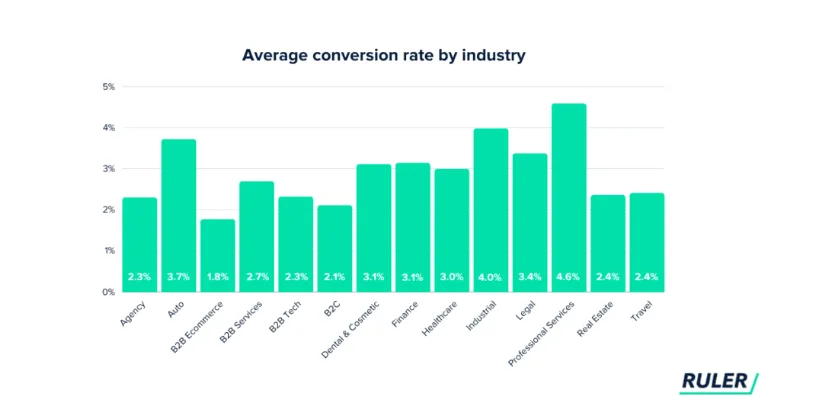
Here’s some benchmarks to follow:
1. B2B Services and Technology
B2B services typically see conversion rates around 5.8%, with top performers reaching 7-10%. These numbers reflect the longer sales cycles and multiple decision-makers involved in B2B purchases. Technology and SaaS companies average 4.2%, with enterprise solutions at 3.5% and consumer apps at 4.8%.
2. Retail and E-commerce
The retail sector averages a 2.25% conversion rate overall. Fashion brands see about 1.4%, beauty companies hit 1.92%, and home goods retailers reach 3.03%. These rates reflect the competitive nature of retail and the frequency of promotional emails in these industries.
3. Financial Services and Healthcare
Financial services maintain strong conversion rates at 5.8% overall, with banking at 4.7% and insurance at 6.1%. Healthcare organizations average 3.5%, split between medical services at 3.2% and health products at 3.8%.
4. Education
Educational institutions see average conversion rates of 4.2%, with higher rates during key enrollment periods. These rates vary between higher education (3.8%) and continuing education programs (4.6%), reflecting different audience engagement levels and decision-making timelines.
5. Non-Profit Organizations
Nonprofit organizations achieve average conversion rates of 2.8%, with variations based on campaign type. Donation appeals typically convert at 2.1%, while event registrations reach 3.5%. Year-end giving campaigns often see higher rates, reaching up to 4.2% during peak fundraising seasons.
What Makes a Good Email Conversion Rate?
Your ideal conversion rate depends on several unique factors. Your industry sets initial expectations, but your specific business model, target audience, and email type all play significant roles in determining what’s “good” for you.
The Impact of Email Types
Different types of emails naturally convert at different rates. Abandoned cart emails often see 10-15% conversion rates because they target users who’ve shown clear purchase intent. Welcome emails typically convert at 4-6% as new subscribers engage with your brand. Regular promotional emails and newsletters generally convert between 1-5%, depending on your offer and audience.
Audience Segments and Performance
Your conversion rates will vary across different segments of your email list. Long-time customers often convert at higher rates than new subscribers. Engaged readers who regularly open and click your emails convert better than occasional readers. Understanding these patterns helps you set realistic goals for each segment.
Why Your Email Conversion Rate Might Be Low
Low conversion rates often stem from several common issues. Here are some mistakes that a top email marketing agency could help you with:
Neglected List Hygiene
- Unengaged subscribers can hurt your sender reputation and deliverability
- A clean list leads to more accurate metrics and better targeting
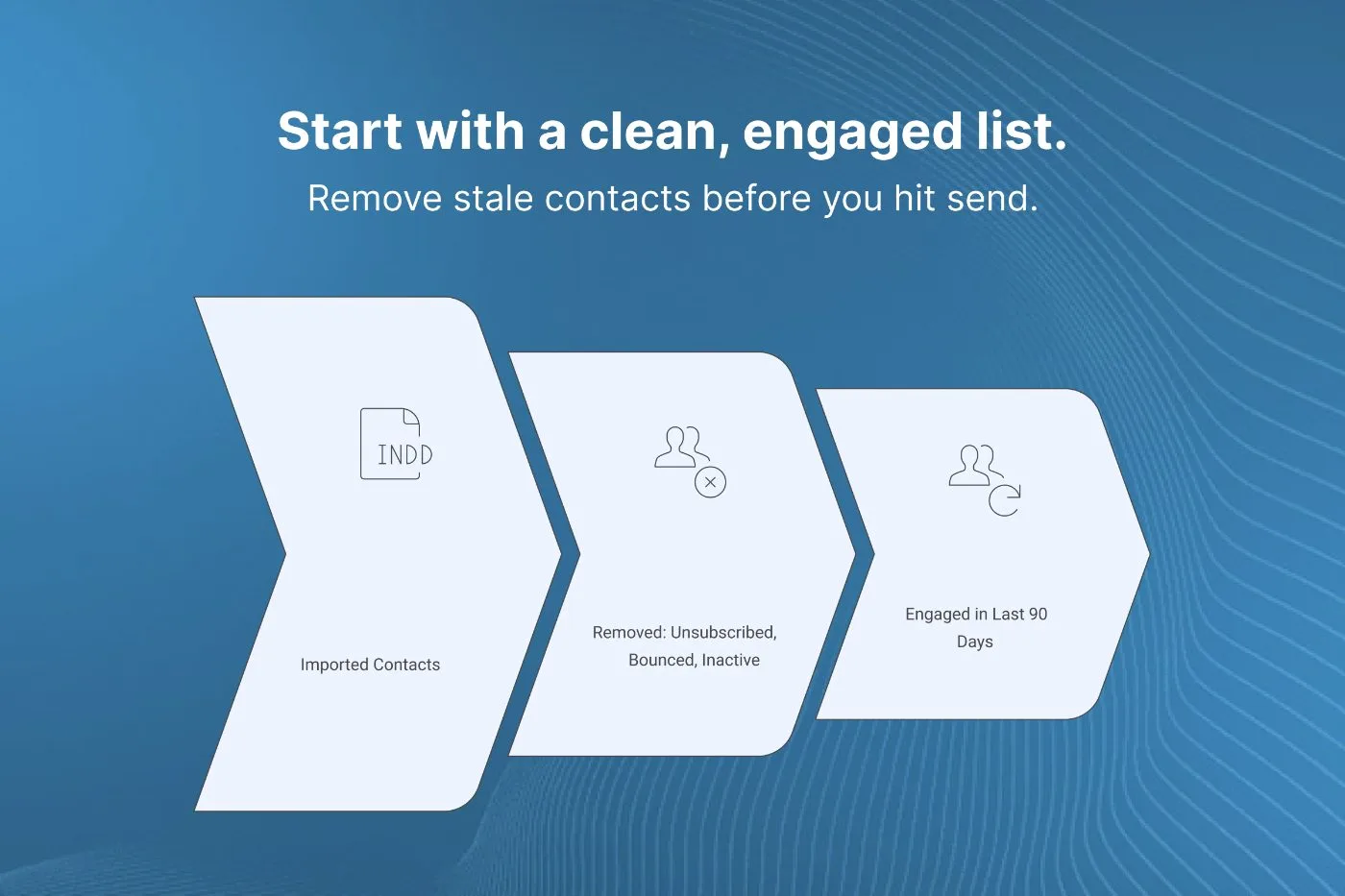
Your email list needs regular maintenance to perform well. Old, inactive emails drag down your engagement rates and can trigger spam filters. Clean your list every 3-6 months by removing hard bounces and re-engaging inactive subscribers. Consider running a re-engagement campaign before removing subscribers who haven’t opened your emails in the past 6 months.
Missing or Poor Segmentation
- Generic messaging reduces engagement and conversion rates
- Targeted content drives higher open rates and clicks
Sending the same message to everyone in your list is like shouting in a crowded room, few people will feel like you’re talking to them. Break your list into smaller groups based on behavior, preferences, and past purchases. Then create targeted campaigns that speak directly to each group’s interests and needs.
Irrelevant or Mistimed Content
- Content must match subscriber expectations and interests
- Timing can make or break your campaign’s success
Your subscribers signed up with certain expectations. When your content doesn’t match these expectations or arrives at the wrong time, they’ll ignore it. Track which types of content generate the most engagement. Pay attention to when your subscribers typically open and click your emails, then schedule your sends accordingly.
Technical Delivery Problems
- Poor deliverability can block even great content from reaching inboxes
- Regular testing across platforms prevents technical issues
Even great content won’t convert if it never reaches the inbox or loads incorrectly. Watch your sender reputation and spam complaint rates. Test your emails across different email clients and devices before sending. And make sure your images load quickly, slow-loading emails often get abandoned before they’re read.
Poor Mobile Experience
- Most emails are now opened on mobile devices
- Mobile-unfriendly designs kill conversion rates
More than half of all emails get opened on mobile devices. If your emails don’t display well on phones, you’re losing conversions before you start. Use responsive templates that adjust automatically to screen size. Make your buttons large enough to tap easily. Test your emails on various mobile devices to ensure a smooth experience.
Weak or Confusing Calls to Action
- Clear CTAs guide subscribers toward conversion
- Too many options lead to decision paralysis
Your call to action needs to stand out and make sense and you’d be surprised how simple of a fix it can be to just tell your audience what to do.
If subscribers can’t quickly see what you want them to do, or why they should do it, they’ll move on and it’s such a common email marketing mistake. Use clear, action-oriented language for your CTAs. Make them visually distinct from the rest of your email. And limit yourself to one main CTA per email to avoid confusion.
Mismatched Landing Pages
- Consistency between email and landing page builds trust
- Every extra step reduces conversion probability
The journey doesn’t end when someone clicks your email link. If your landing page doesn’t match your email’s message and design, you’ll lose conversions at the final step. Keep your branding consistent between email and landing page. Make sure your landing page delivers what your email promised. And remove any unnecessary steps between the click and the conversion.
7 Proven Ways to Boost Your Email Conversion Rate
Your path to better email performance starts with these seven tested strategies that combine the art and science of email marketing.
1. Master Your List Segmentation and Personalization
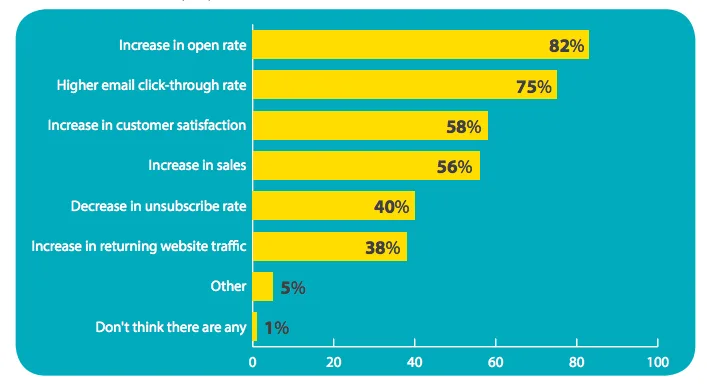
Break down your email list into specific groups based on customer behavior, purchase history, and engagement levels then personalize each message to speak directly to that segment’s needs. You’ll see higher conversion rates when you send targeted content to subscribers who’ve shown interest in similar products or topics before. Here’s some data on the effectiveness of email segmentation:
2. Perfect Your Subject Lines Through Testing
Your subject line serves as your email’s first impression. Test different approaches, questions versus statements, short versus long, with or without emojis. Track which versions drive the highest open rates for different segments, then use those insights to craft subject lines that grab attention and drive action.
3. Optimize Your Mobile Experience
Most people check email on their phones, so your messages need to shine on small screens. Use responsive templates that automatically adjust to any screen size. Keep your design clean with plenty of white space, make buttons large enough to tap easily, and test your emails across different devices before sending.
4. Create Clear, Compelling Calls to Action
Every email needs one primary goal so make your call-to-action button stand out visually and position it where readers naturally pause. Use action-oriented language that creates urgency without pressure. Test different button colors, sizes, and placements to find what works best for your audience.
5. Align Your Timing with Analytics
Send your emails when your subscribers are most likely to engage. Take a look at your email metrics to identify patterns in open and click rates across different days and times. Consider your audience’s time zones and typical daily routines and schedule it to match when they’re most likely to engage.
6. Build Seamless Landing Page Experiences
Your email’s job isn’t done when someone clicks, the landing page needs to deliver on your email’s promise. Match your landing page’s headline and content to your email’s message. Keep the design consistent and remove any distractions that could prevent conversion. Make sure your forms are short and mobile-friendly.
7. Use Analytics to Drive Continuous Improvement
Set up tracking for every element of your email campaigns. Monitor not just opens and clicks, but conversion paths, time to purchase, and revenue per email. Use heat mapping to see where people click most often. Test one element at a time and give each test enough time to gather meaningful data. Then use these insights to refine your strategy continuously.
Transform Your Results with In-box
At In-box, we’ve proven our ability to drive real results through email marketing. Our clients case studies consistently outperform industry averages, achieving:
- 44.3% open rates compared to the industry average of 39.7%
- 3.01% click rates versus the standard 1.47%
- $0.75 revenue per recipient, far exceeding the typical $0.11
We’ve helped businesses achieve remarkable growth through strategic email marketing. One client saw a 921% increase in email revenue in just 30 days. Another experienced a 101% boost in only 18 days.
So, while understanding the email conversion rate formula is important, it won’t actually get you more results. You need trained and experienced experts to take your email marketing efforts to the next level.
Get in touch with us today for a free consultation. We’ll analyze your current performance and show you exactly how to improve your conversion rates.