The inbox is still prime real estate for building relationships whether you conduct business in person or online.
While social media algorithms change and paid advertising costs continue to rise, email remains a stable, reliable channel that puts you in direct contact with people who want to hear from you.
Related: List of Best Industries For Email Marketing
This direct line of communication gives you control over your marketing message and your customer relationships. Think about the last time you checked your email…chances are it was within the last few hours, maybe even the last few minutes. Your customers are doing the same thing by checking their emails multiple times throughout the day.
The best part is that email marketing scales with your business. Whether you’re a small boutique or a multi-location retailer, email helps you maintain personal connections with customers while automating many of your marketing tasks.
Why Email Marketing for Retailers?
A lot of retailers wonder if email marketing is still effective.
The numbers tell a compelling story with email marketing generating an average return of $36 for every $1 spent. That’s a 3,600% return on investment that’s hard to ignore.
Increase Sales
When someone subscribes to your email list, you own their inbox. This is where you can share new products, promotions, and recommendations. You’re not just hoping customers will find you, you’re meeting them where they already are.
Research shows that 59% of consumers say marketing emails influence their purchasing decisions. This is because email allows you to keep a constant presence in your customers’ lives and you can remind them of your brand when they’re ready to buy.
More Engagement with Customers
Building relationships with your customers isn’t just about making sales, it’s about creating connections and conversations. Email allows you to share your brand’s story, provide value, and engage with your customers in meaningful ways.
When you send targeted, personalized emails, you’re not just another retailer, you’re a solution provider. This type of engagement creates stronger customer loyalty surrounding your marketing niche.
The real power of email engagement comes from its ability to create two-way conversations with your customers. You can ask for feedback, encourage replies, and show that you’re listening to their needs. When your customers feel like you hear them and value them, they’re more likely to become brand advocates who recommend your store to others.
Think about how email helps you stay connected throughout the entire customer journey. From the first welcome message to post-purchase follow-ups, you’re building a relationship that lasts longer than their first transaction.
This type of ongoing communication helps you understand your customers better and you can adapt your offerings to meet their changing needs.
Cost Effective
Traditional marketing channels like print ads, radio, or TV can quickly drain your marketing budget. Email marketing is a more budget-friendly alternative that will give impressive results.
You won’t need to worry about printing costs, ad space fees, or production expenses. With email marketing, your main investments are in good content creation and an email platform that fits your needs.
Email marketing’s cost-effectiveness becomes even more obvious when you look at scalability. Whether you’re sending to 100 or 10,000 subscribers, the cost is minimal and in many cases, grows with you.
This makes it an ideal channel for both small retailers just starting out and established businesses looking to spread their reach.
You’ll also save money through better targeting. Unlike broad-reach advertising where you pay to reach everyone regardless of interest, email marketing lets you communicate specifically with people who have shown interest in your business. This means you’re not wasting resources on uninterested audiences.
Save Time Compared to Traditional Marketing
Time is money, especially in retail. Email marketing lets you automate many of your communications while maintaining a personal touch. You can set up campaigns once and let them run automatically, freeing up your time to focus on other aspects of your business.
Types of Retail Email Marketing
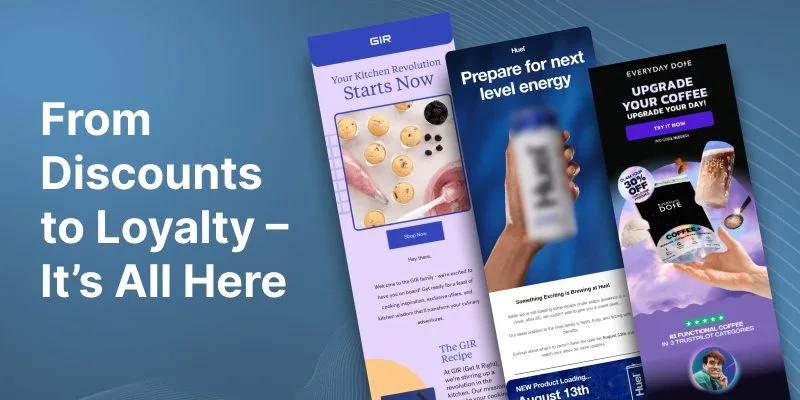
Your email marketing strategy should include many different types of emails, each serving a specific purpose in your customer’s journey. Let’s look at the best types you can use.
Welcome Emails
First impressions matter, and your welcome email sets the tone for your relationship with your new subscribers. These emails see open rates of up to 50% which is significantly higher than regular marketing emails.
You’ll want your welcome email to be good since it’s the first direct communication with your subscriber. Research shows that subscribers who engage with welcome emails are more likely to stay engaged with your brand long-term.
The timing of your welcome email is just as important as its content and sending it immediately after signup yields the best results.
Think about why your brand is unique and apply that to your welcome message. If you’re a local New Zealand retailer, you might highlight your Kiwi roots or showcase your store locations.
Your welcome email shouldn’t just be a one-off message, it’s the start of an ongoing conversation with your customers.
A strong welcome email should:
- A thank you to your subscribers for joining your list
- Set expectations about what your customers will receive
- A special offer or discount
- Your brand’s story
- Information on how to take the next step, whether that’s making a purchase or following you on social media
Consider creating a welcome series instead of just a single email. A sequence of 3-4 emails can help you break up information and keep subscribers engaged over time.
Your first email might focus on the welcome message and an immediate offer, while subsequent emails can introduce your products, share customer testimonials, or highlight your brand values.
Remember to keep mobile users in mind because between 50-60% of welcome emails are opened on mobile devices. Make sure your design works on smaller screens and your calls-to-action are easy to tap.
Abandoned Cart Emails
Online shoppers abandon their carts 88% of the time. That’s a lot of potential sales left on the table. Abandoned cart emails help you recover these lost opportunities by reminding customers about items they’ve left behind.
You’re missing out on a lot of revenue if you’re not sending abandoned cart emails. These reminders show recovery rates of up to 10-15% when done right. It’s not just about sending one email. A series of 2-3 follow-ups can increase your chances of converting these almost-customers.
Your abandoned cart emails need to address common reasons for abandonment like high shipping costs, unexpected fees, and complicated checkout processes. These often cause shoppers to leave items behind. Consider offering free shipping or a small discount in your follow-up emails to overcome these objections.
These emails work best when sent within 24 hours of cart abandonment and often include:
- Photos of the abandoned items
- A clear call-to-action to complete the purchase
- A sense of urgency
- Sometimes, a special discount to encourage completion
Testing different approaches can help you find what works best for your customers. Try varying your subject lines, timing, and offers. Some customers respond better to humor, while others need reassurance about your return policy or shipping times.
Make sure your abandoned cart emails reflect your brand voice while creating a sense of personal connection. Using the customer’s name and showing the exact items they left behind makes the message feel more relevant and targeted.
Product Recommendations
You can use customer data to send personalized product recommendations based on past purchases or browsing history. These emails show customers you understand their preferences and help them discover products they might like.
Think of product recommendation emails as your digital sales associate, helping customers find exactly what they need, even if they didn’t know they needed it.
Promotional Emails
You’ll make money from sales, discounts, and special offers when it comes to retail email marketing. Successful promotional emails are more than just announcing a sale… they create excitement and urgency while highlighting the value for your customer.
Keep in mind that you need to segment your promotional emails based on customer behavior and preferences.
Urgency Emails
You can motivate your customers to take action by creating a sense of urgency. These emails tap into customers’ FOMO by announcing time-sensitive opportunities like flash sales that last only a few hours or limited-time offers that expire at midnight.
You can also send low stock alerts when popular items are running out and last chance reminders for sales or seasonal products that won’t be available much longer. The key is to be honest about the urgency and don’t create fake scarcity because you’ll lose your customers’ trust and potentially the trust of your email provider as well.
Giveaway Emails
Everyone loves a chance to win something. Giveaway emails can help you grow your email list, increase engagement, and create a buzz around your brand. When the prize aligns with your target audience’s interests, they’re even more effective.
Seasonal Campaigns
Retail naturally follows seasonal patterns, and your email marketing should too. From holiday promotions to summer sales, seasonal emails help you tap into customers’ changing needs throughout the year.
Plan your seasonal campaigns well in advance to ensure you’re ready when key shopping periods arrive.
Loyalty Programs
Email is perfect for managing your loyalty program. You can:
- Welcome new members
- Update points balances
- Share exclusive offers
- Announce new rewards
- Celebrate membership milestones
These emails make your customers feel valued and will encourage repeat purchases.
Customer Feedback Emails
Getting customer feedback helps you improve your products and services so you can show your customers that you value their opinions. Make sure you keep your feedback emails short and simple so it’s easier for your customers to respond.
How to Develop the Right Retail Email Marketing
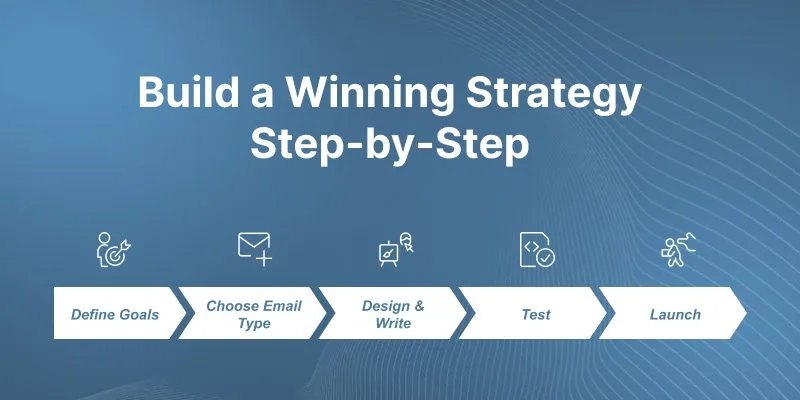
Now that you know more about the kind of emails to send, let’s look at how you can build a good email marketing strategy.
1. Choose a Goal for Your Campaign
Every email campaign needs a clear purpose. Without one, you risk sending messages that don’t resonate with your audience or drive meaningful results. Think carefully about what you want to achieve.
Are you trying to drive foot traffic to your store, increase online sales, build brand awareness, strengthen customer relationships, or launch a new product? Your goal will guide everything from subject lines to content to call-to-action buttons.
Your campaign goal should be specific and measurable.
Instead of just aiming to “increase sales,” set a target like “increase in-store sales by 20% during the weekend sale” or “achieve a 15% conversion rate on our new product launch email.” You can create more focused content and measure success more effectively by being this precise.
Consider setting both primary and secondary goals for your campaigns. While your main objective might be to promote a new product line, you could also aim to gather customer feedback or encourage social media follows. Just make sure these secondary goals don’t distract from your primary purpose.
Remember that different types of emails serve different goals. A welcome series builds relationships and sets expectations. Cart abandonment emails focus on recovery and conversion.
Loyalty program updates strengthen long-term customer relationships. By aligning your email type with your campaign goals, you’ll create more cohesive, effective messages that drive better results.
Take time to document your goals and share them with everyone involved in creating and executing the campaign. This ensures all elements of your email from design, to copy, to timing, all work together to give you the best possible outcome.
2. Pick an Email Marketing Platform
We use Klaviyo as our email marketing platform because it offers powerful features specifically designed for retailers. Klaviyo’s powerful segmentation and automation capabilities help you send the right message to the right person at the right time.
The platform seamlessly merges with major e-commerce platforms and provides detailed analytics to help you understand what’s working and what isn’t.
3. Build Your List
Growing your email list takes time and effort, but there are several effective strategies you can use. Start by offering a discount for first-time subscribers (don’t overuse it like a lot of retailers though). This gives people an immediate incentive to join your list and we all know the key is providing value upfront.
Set up in-store signup tablets or cards to capture customers while they’re already engaged with your brand. You should feature signup forms prominently on your website so it’s easy for visitors to subscribe.
Social media campaigns can help drive list growth by reaching new audiences and encouraging them to connect via email.
Don’t forget about physical touchpoints, including QR codes on receipts and packaging creates an easy way for customers to sign up while interacting with your products. Remember to always get explicit permission before adding someone to your list.
4. Create Effective Email Design
Your emails should look good visually while remaining clean and professional. Start with your brand colors and logo to maintain consistency across all communications.
Use high-quality product images that showcase your items in the best possible light. Select clear, readable fonts that work well across different devices and email clients.
The layout should be mobile-responsive, adapting smoothly to whatever screen size your subscribers are using. Include prominent call-to-action buttons that stand out and make it clear what you want subscribers to do next.
White space is your friend so don’t try to cram too much into one email. A clean, uncluttered design will help your message stand out and make it easier for subscribers to take action.
5. Segment Your Audience Properly
Personalization starts with segmentation. By dividing your list into specific groups, you can send more relevant, targeted messages that resonate with different parts of your audience.
Purchase history offers insights into buying patterns and preferences, while location data helps you send geographically relevant offers and updates. Consider your customers’ shopping preferences and engagement levels to further refine your segments.
Customer lifetime value helps you identify your most valuable subscribers and tailor communications accordingly. When you send more relevant emails to these carefully segmented groups, you’ll see higher open rates, click-through rates, and conversions. This shows subscribers you understand their needs and interests.
6. Capture Data and Analyze
Success in email marketing comes from understanding what works for your specific audience. Start by tracking open rates to gauge the effectiveness of your subject lines and sending times.
Click-through rates show how engaging your content is, while conversion rates tell you if you’re successfully driving the actions you want subscribers to take.
Monitor revenue per email to understand the direct financial impact of your campaigns. Keep an eye on list growth rate to ensure you’re consistently adding new subscribers, and watch unsubscribe rates for signs that your content or sending frequency might need adjustment.
Use this data to refine your strategy and improve future campaigns, constantly learning from what works and what doesn’t for your unique audience.
Retail Email Marketing Tips
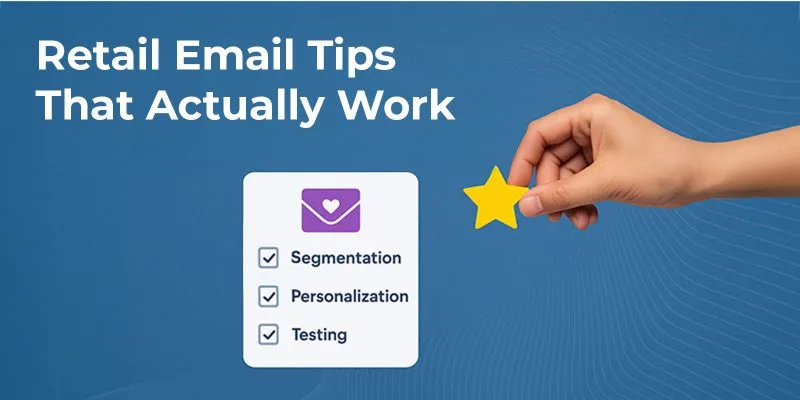
Let’s look at some practical tips to make your email marketing more effective.
Automate Wherever Possible
Automation saves time while ensuring consistent communication with your customers. Set up automated workflows for:
- Welcome series
- Abandoned cart recovery
- Post-purchase follow-ups
- Birthday messages
- Win-back campaigns
Make Emails Mobile Friendly
Your emails must look good and function well on small screens. This means:
- Using larger fonts
- Making buttons easy to tap
- Keeping layouts simple
- Testing on multiple devices
Beyond these basics, mobile optimization requires thinking about how people interact with their phones. They’re often multitasking, dealing with distractions, or viewing emails in less-than-ideal lighting conditions. Your emails need to be easy to scan and understand at a glance.
Consider these additional mobile-friendly design elements:
- Break up text into short paragraphs
- Use headlines and subheadings for scanning
- Ensure images load quickly
- Make phone numbers clickable
- Design single-column layouts
- Keep subject lines short for mobile displays
Remember that many customers will switch between mobile and desktop devices. Your emails should provide a consistent experience across all platforms. We recommend testing your emails across different devices and email clients before sending them to your full list.
Make Unsubscribing Simple
While it might seem counterintuitive, making it easy to unsubscribe actually helps your email marketing. When you provide a clear, simple way to opt out, you build trust with your subscribers who appreciate the transparency.
This approach keeps your list healthy by allowing uninterested subscribers to remove themselves, which in turn improves your email deliverability rates. You’ll also stay compliant with spam laws that require clear unsubscribe options in every marketing email.
Your unsubscribe link should be visible and easy to find in the footer of your email. Some brands even offer a one-click unsubscribe option, eliminating any friction from the process and when someone does unsubscribe, consider presenting them with options.
Maybe they’d prefer fewer emails instead of none at all, or perhaps they’re only interested in specific types of communications.
You don’t have to make it too easy for them but easy enough so they don’t get frustrated.
Don’t hide your unsubscribe link in tiny text or make it blend into the background. This practice not only frustrates subscribers but can also lead to them marking your emails as spam instead, which damages your sender reputation and can affect delivery rates for all your subscribers.
A spike in unsubscribes after a particular campaign might signal that you need to adjust your content strategy or sending frequency. The average unsubscribe rate is around 0-0.3% per email, if you’re seeing higher numbers, it’s time to reassess your approach.
Utilize SMS
Email and SMS marketing work better together. We can help you create a multi-channel strategy that reaches customers through their preferred communication method. SMS can complement your email efforts in several powerful ways.
Use text messages for time-sensitive offers that need immediate attention. Send shipping updates to keep customers informed about their orders in real-time.
Share appointment reminders when timing is critical, and follow up on abandoned carts when you need a quick response. This integrated approach ensures you’re reaching customers at the right moment with the right message.
SMS messages see incredible open rates of up to 98% compared to email’s average of 20%.
When you combine both channels, you create multiple touchpoints with your customers while respecting their communication preferences.
You might send a detailed product launch announcement via email, followed by a quick SMS reminder about the limited-time offer.
Remember to segment your audience based on their engagement across both channels. Some customers might prefer SMS for urgent updates but email for longer-form content like newsletters or product guides.
Others might want both. Let your customers choose their preferences and respect those choices.
Consider using SMS for immediate interaction like confirming appointments or answering quick questions while keeping email for more detailed communications. This strategy plays to the strengths of each channel while providing your customers with the best possible experience.
Focus on Quality Content
Your emails should provide value to subscribers by writing clear, concise copy that speaks directly to their needs. Include relevant offers that align with their interests and share helpful tips and advice that go beyond just selling.
Highlight customer success stories to build social proof, and showcase new products in ways that demonstrate their value to your audience.
Quality content goes beyond just good writing, it’s about creating emails that your subscribers actually want to receive. Think about what information would be most helpful to your customers at different stages of their journey with your brand.
If you run a home goods store, for example, share decorating tips that naturally feature your products and provide care instructions for different materials. Create seasonal styling guides that inspire customers while showcasing your inventory.
Give behind-the-scenes looks at your product selection process to build trust, and feature customer spotlights showing your products in real homes to provide social proof and inspiration.
Your content should reflect your brand’s personality while remaining professional and focused on your customers’ needs. Avoid the temptation to fill emails with sales messages, aim for a mix of promotional and informational content that keeps subscribers engaged.
Creating quality content also means paying attention to technical details. Review every email for proper spelling and grammar, and test all links to ensure they work correctly. Optimize your images for fast loading to prevent frustration.
Write compelling calls-to-action that motivate clicks, and include alt text for accessibility so all subscribers can engage with your content.
Remember that every email you send affects your brand’s reputation. Taking time to create quality content builds trust with your subscribers and sets you apart from competitors who focus solely on sales messages.
Send Your Emails at the Right Time
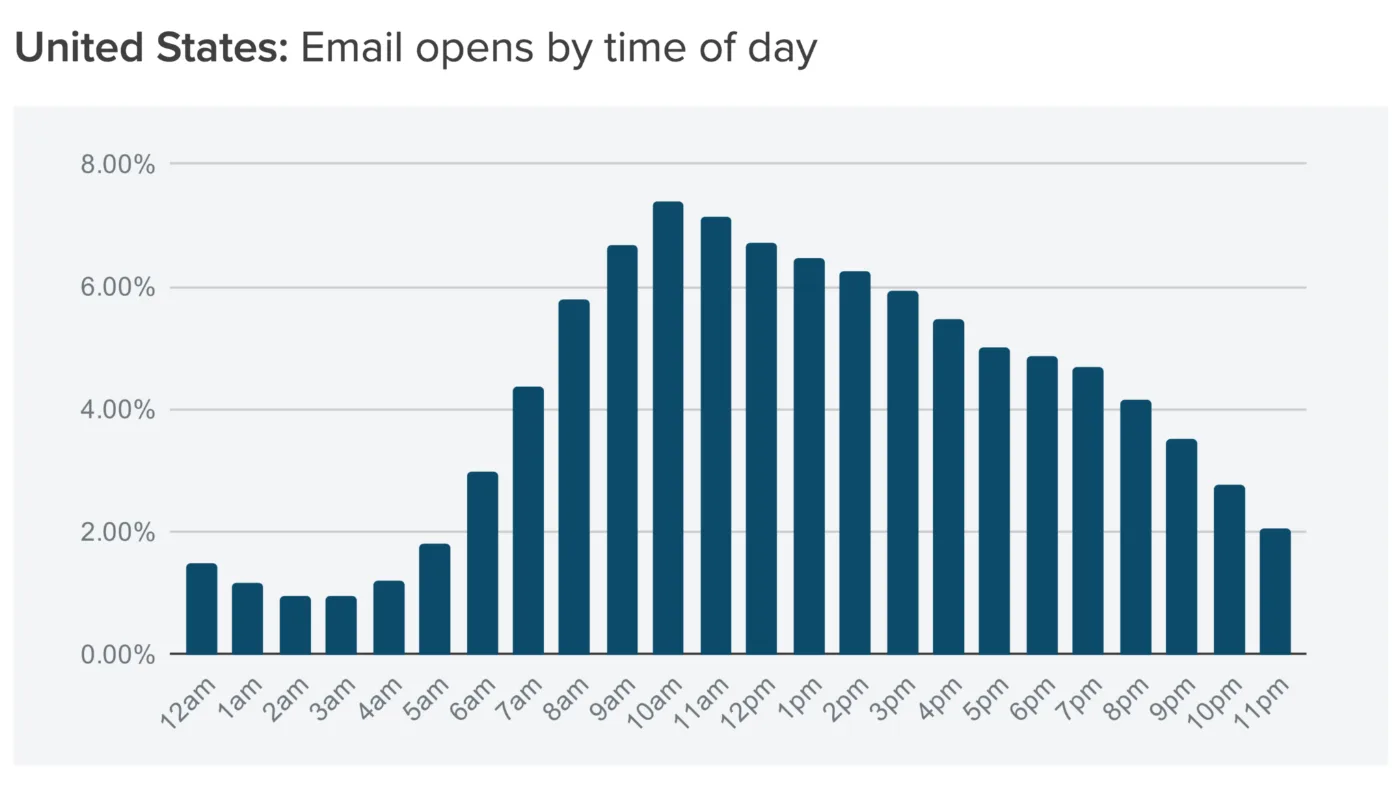
Timing can significantly impact your email performance. Most businesses see higher engagement Tuesday through Thursday, with mid-morning sends performing particularly well. You’ll want to test different times with your specific audience and consider time zones if you serve multiple regions.
The “perfect” send time varies depending on your specific audience and business type. A fashion retailer might find success sending evening emails when customers are browsing online after work, while a coffee shop might see better results with early morning sends.
When planning your email schedule, consider several timing factors. Avoid sending on major holidays unless your content specifically relates to the holiday. Space out your emails appropriately to prevent subscriber fatigue.
Think about your customers’ daily routines and how they might interact with your messages. Account for seasonal changes in shopping behavior, and plan your sends around your store’s busy periods.
Your email marketing platform can help you identify optimal send times based on your subscribers’ past engagement. Look for patterns in when your emails get the most opens and clicks, and adjust your sending schedule accordingly.
The frequency of your emails matters as much as timing. Finding the right balance requires careful testing and monitoring. Send too few emails and customers might forget about your brand.
Send too many and you risk increasing unsubscribes. You might need to increase frequency during special occasions or major sales periods. Consider asking for sending frequency preferences in your welcome emails to give subscribers more control over their experience.
Start with a consistent schedule and adjust based on your email metrics. Pay attention to unsubscribe rates and engagement patterns to fine-tune your timing strategy. Over time, you’ll develop a sending schedule that works best for your unique audience and business needs.
Final Thoughts
Email marketing remains one of the most powerful tools available to retailers. When done right, it builds stronger customer relationships, drives sales, and provides data about your customers to help you improve your messaging.
Success with email marketing isn’t easy and it’s not a push button, set it and forget it solution. (even though many people would like you to believe it)
Start by focusing on one or two types of emails that align with your most pressing business goals. For retailers, this can include getting people back to your store or trying to upsell/cross sell them on a product.
As you get comfortable with those, gradually expand your email program to include more sophisticated campaigns and automation.
Remember that your email list is one of your most valuable business assets. Treat it with care by sending relevant, valuable content that respects your subscribers’ time and inbox space. Pay attention to your metrics, but don’t let data override the human element of your communications.
Ready to take your retail email marketing to the next level? At In-box, we specialize in helping retailers create effective email marketing strategies that get results.
Our team understands the unique challenges and opportunities in retail email marketing, and we’re here to help you build campaigns that drive real business growth.