1. Industry Expert Interviews
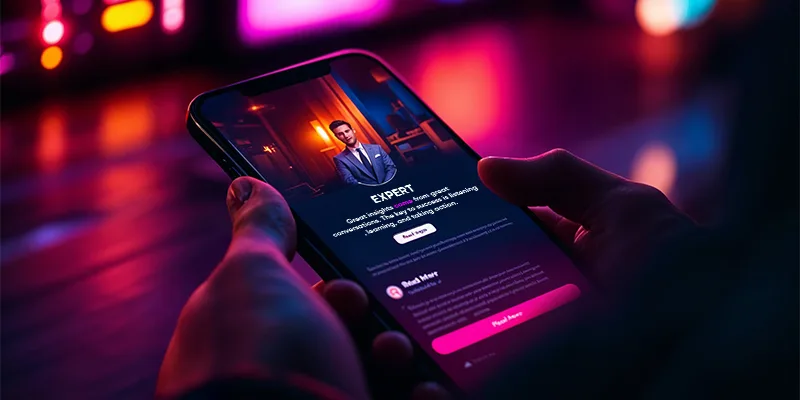
You can’t go wrong with picking the brains of people who know their stuff. Expert interviews give your readers insider knowledge they won’t find anywhere else. Set up monthly interviews with the VIPs of your industry and ask questions your audience wants to know.
Mix it up by alternating between written Q&As and video interviews. Don’t forget to include a brief bio of your guest expert and focus on pulling out practical tips your readers can use right away. Bonus points if you package the valuable interviews into a downloadable that your readers buy from you for a small price.
For inspiration on crafting attention-grabbing subject lines for your next campaign, check out our guide on the best e-commerce email subject lines.
2. Behind-the-Scenes Company Stories
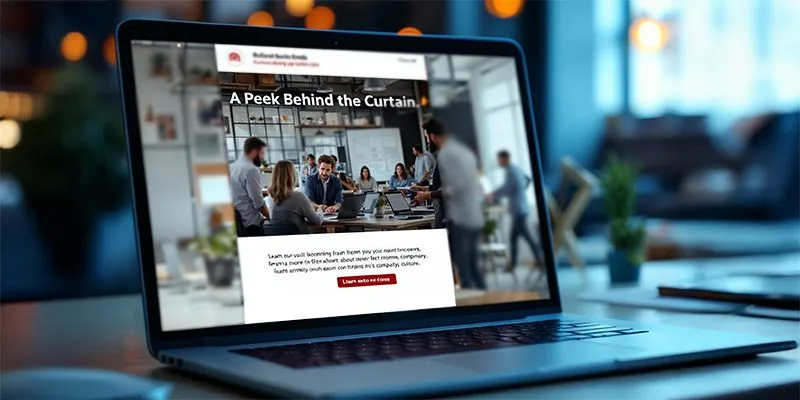
People love getting an inside look at how things work. So pull back the curtain, show your team, meetings, product development, and whatever else you feel like sharing.
Day in the life emails are super interesting and keep in mind, it doesn’t always have to be about you or even be incredibly value packed.
These stories help build trust and connection with your audience by showing the human side of your business. They’re also great for recruitment since potential employees get a real feel for your company culture.
Another great bonus tip is to share information about the types of tools, technology, and software that you use. By sharing what you’ve done to get the results you have, you can inspire other people to do the same.
3. Weekly News Roundups

Make life easier for your busy subscribers by collecting the week’s most relevant industry news in one place. Pick 3-5 of the biggest stories and add your own quick take on why they matter.
You’ll save your readers time while positioning yourself as a go-to source for industry updates. Make sure you’re adding value by explaining the “so what” factor of each story, why should your readers care about this news?
4. Customer Success Stories

Nothing sells quite like showing real results. Feature customers who’ve found success using your product or service, but focus on where they started, when they encountered your product, and how they got to where they are now.
Walk through their challenges, how they overcame them, and what they learned along the way. These stories work because they’re relatable, other customers will see themselves in these experiences. Just keep it authentic and avoid making it sound like a sales pitch.
5. Video Tutorials and Guides
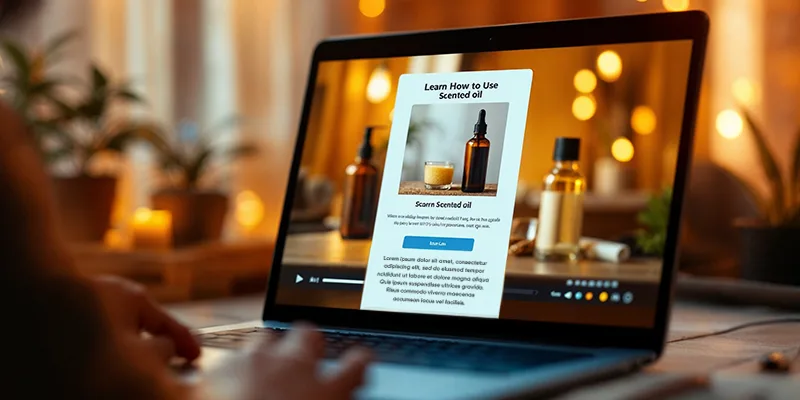
I said earlier about the fact that “not everything needs to be value packed.” Well, here’s where you bring the value. You jab with some gentle topics and then right hook them with some great information that helps your audience progress with whatever it is they’re doing.
Break down complex topics with easy-to-follow video content. You don’t need fancy equipment, a simple screen recording with voice-over works great and you can even use a smartphone for many things.
Keep videos short and focused on one specific topic or task. Add timestamps in the email so viewers can jump to the sections they’re most interested in. Written descriptions alongside the video help viewers decide if it’s relevant to them.
6. Interactive Polls and Surveys
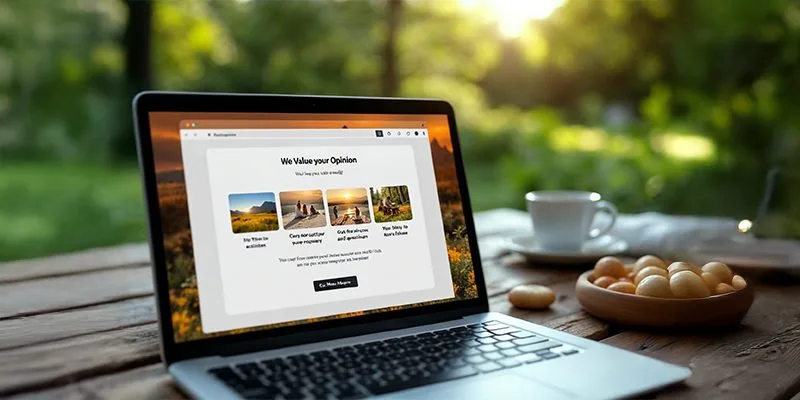
Get your readers involved by asking for their opinion. Quick, one-question polls work great for engagement, while longer surveys can help you gather valuable customer feedback.
Make it fun by sharing the results in your next newsletter, people love seeing how their answers compare to others. You can use polls to make decisions about future content, product features, or just to spark discussion. Just keep the questions relevant to your audience’s interests.
7. Product Tips and Hacks
Help your customers get more value from what they’ve bought. Share creative ways to use your products that they might not have thought of.
These tips can range from basic how-tos for newcomers to advanced tricks for power users. Mix in user-submitted tips to show how other customers are being creative. The key is for the tips to be realistic, actionable, and specific to their needs.
8. Employee Spotlights
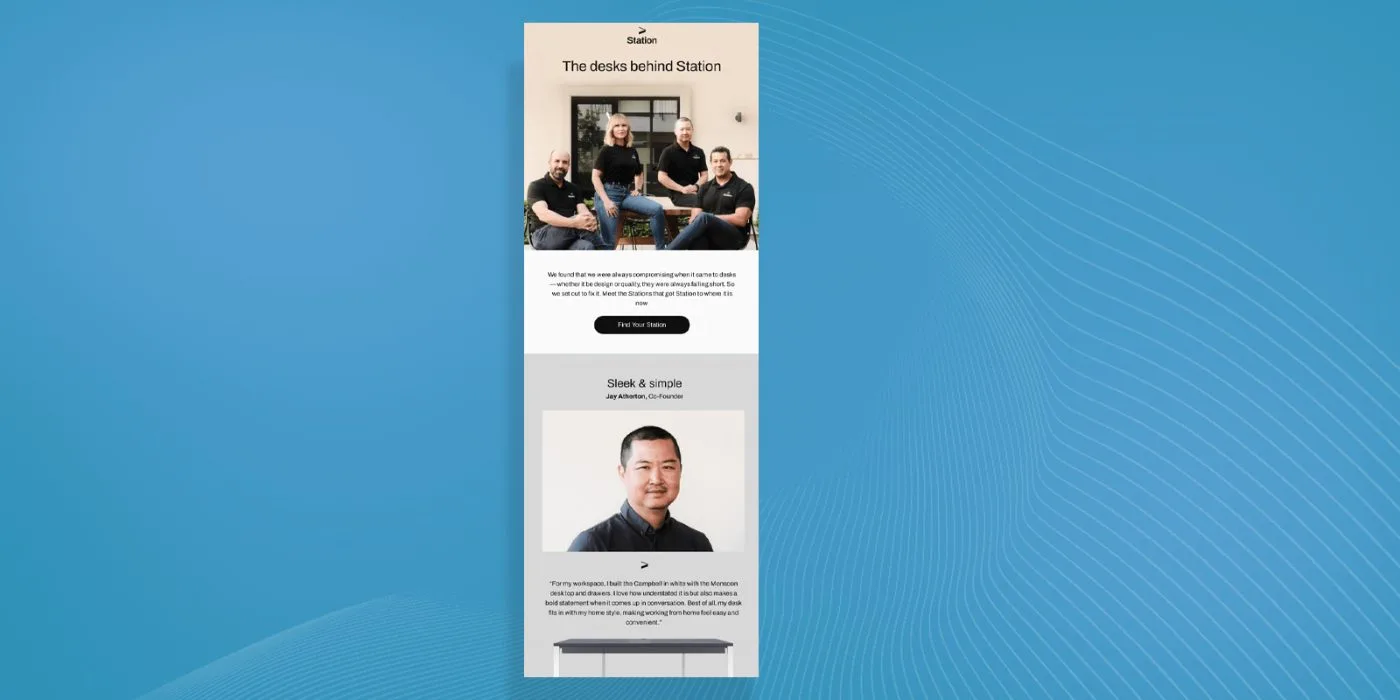
Put faces to names by featuring different team members each month. Go beyond basic job titles and let personalities shine through.
Ask fun questions along with work-related ones, like their favorite lunch spot or what they do for fun. You might spotlight someone from customer service one month, then engineering the next. This helps customers feel more connected to your team and shows off your company culture.
9. User-Generated Content Features
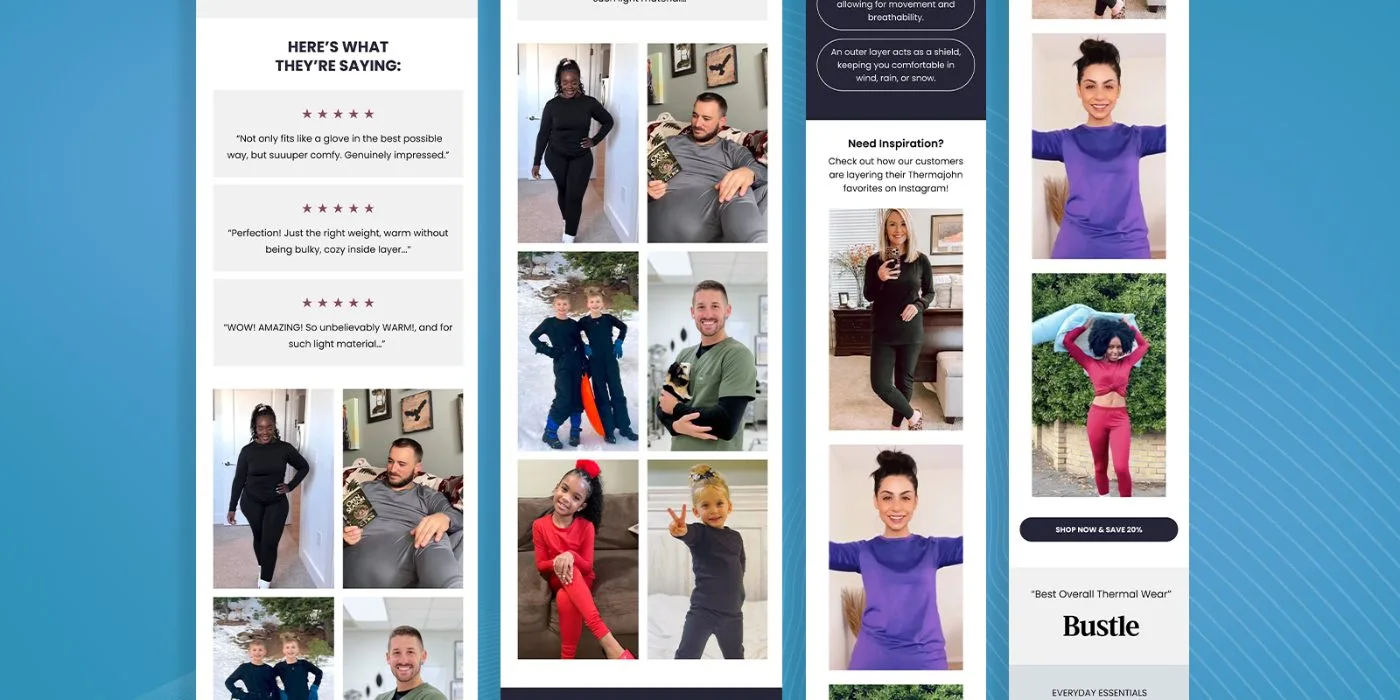
Your customers are creating amazing content, show it off! Share photos, testimonials, or stories from real users. This could be anything from social media posts to success stories to creative ways they’re using your product. It’s social proof that builds trust, plus it makes your featured customers feel special. Make sure to get permission before sharing and give proper credit.
10. Holiday Gift Guides
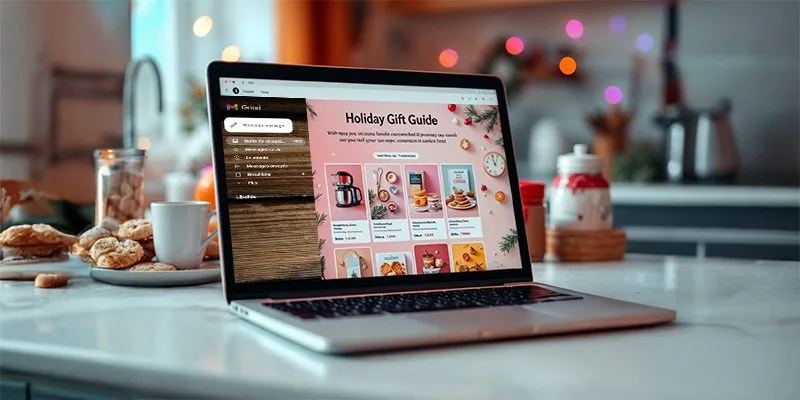
Create themed shopping guides that solve real problems for your readers. Break it down by recipient type, price range, or interest area. Don’t just list products, explain why each item makes a great gift and who it’s perfect for. These guides work well beyond just the winter holidays, think Mother’s Day, graduation season, or even “just because” gifting. Add helpful details like shipping cutoff dates and gift wrapping options.
11. Seasonal Product Collections
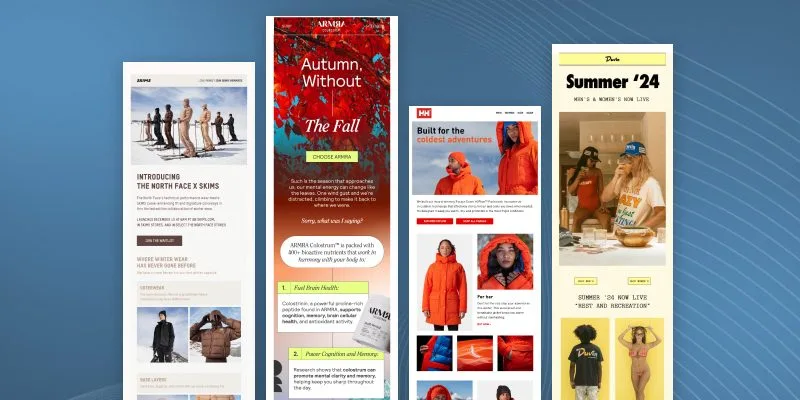
Help readers transition between seasons by curating relevant products or content. You might feature summer essentials in May or cold-weather must-haves in September. Include practical tips along with your recommendations, like how to care for items or creative ways to use them. This type of marketing newsletter idea works because it’s timely and solves real seasonal challenges your readers face.
12. Contest Announcements
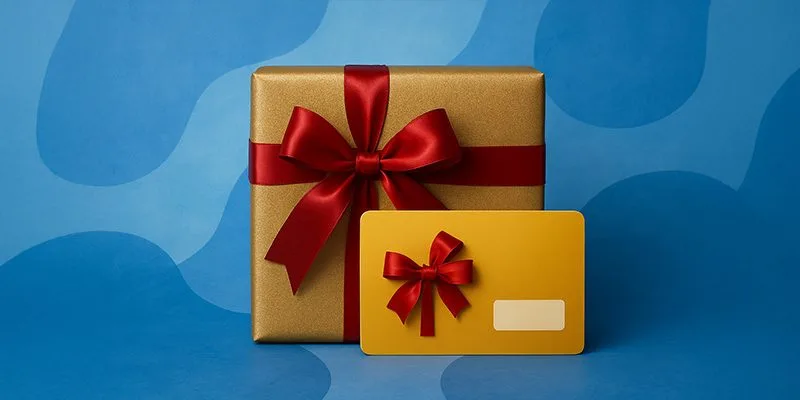
Everyone loves a chance to win something cool. Run contests that get people excited and engaged with your brand. Spell out the rules clearly and make entering easy. You might ask for user-generated content, creative ideas, or simply have people share your content. The prize should be something your audience actually wants, it doesn’t need to be huge, just valuable to them.
13. Interactive Quizzes
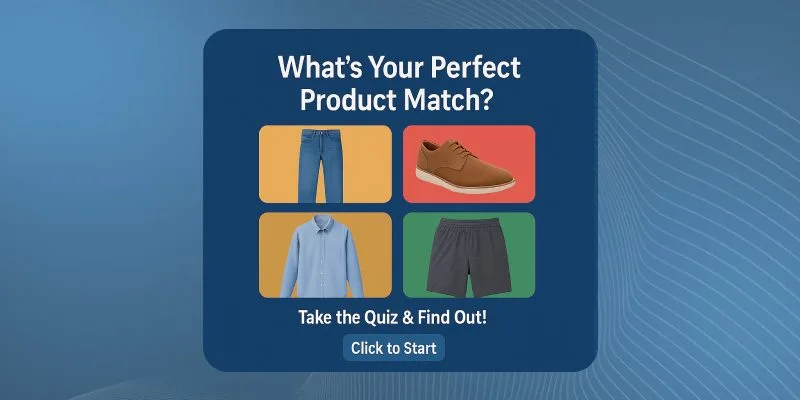
Create fun quizzes that teach something useful while entertaining your readers. These can help people choose the right product, test their knowledge, or just have fun with your brand. Getting your audience used to engaging with you is important because it can create a chain reaction.
The key is making them relevant to your industry while keeping them light and enjoyable. Include actionable tips based on quiz results and try to personalize each response as much as possible.
14. Event Recaps and Highlights
Share the best moments from your latest event, whether it was in-person or virtual. Include key takeaways, memorable quotes, and photos that capture the energy.
For those who couldn’t attend, this gives them a taste of what they missed. For those who were there, it helps them remember the highlights. Think about including slides or resources that were shared during the event.
15. New Product Launches
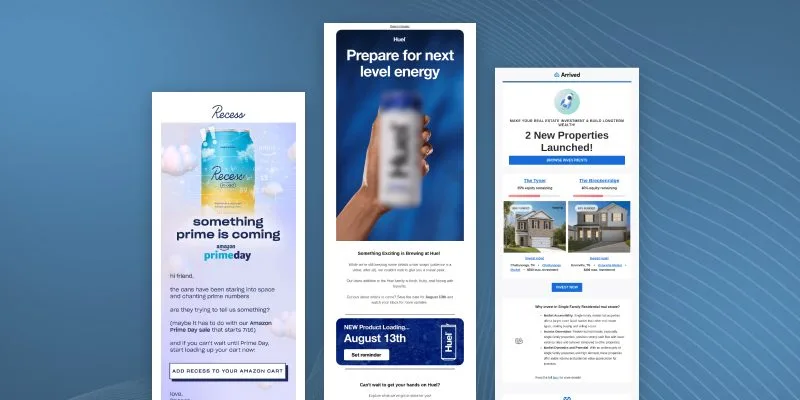
Build excitement around your latest offerings with sneak peeks and early access. Share the story behind the product, what problem it solves and why you created it.
Include real photos and detailed descriptions. Give your email subscribers first dibs or special pricing to make them feel valued. Remember to focus on benefits rather than just features.
16. Survey Results and Insights
Turn your customer feedback into valuable insights everyone can learn from. Share interesting trends and patterns you’ve noticed, along with what you’re doing about them.
Use charts or graphs to make the data easy to understand. Your readers will appreciate the transparency and feel heard when they see their feedback being taken seriously. Include specific actions you’re taking based on the results.
17. Case Studies
Take a deep dive into real-world examples of success. Walk through the problem, solution, and results in detail and include specific numbers and outcomes when possible.
Break down what worked and what didn’t, readers appreciate honesty about challenges faced along the way. Make it easy to scan by using clear headings and pulling out key stats or quotes.
18. Letter from the CEO
Let your top leadership connect directly with customers through personal messages. Share company updates, vision for the future, or thoughts on industry trends. Keep it conversational and authentic, this isn’t the place for corporate speak. Add personal touches like what they’re currently reading or learning about. This helps humanize your brand and builds trust with your audience.
19. Problem-Solution
Address common customer challenges head-on. Explain how you’re fixing issues or improving services based on feedback and be transparent about how long it takes to solve the problem. This could be a good place to drop your own services as well. (hint, hint)
If your main challenge is crafting messages that truly connect and convert, consider working with In-Box email copywriting services experts to create copy that drives engagement and results.
This shows you’re listening and actively working to make things better. Include tips for workarounds or temporary solutions while permanent fixes are in progress. Your customers will appreciate the honest communication.
20. Current Events
Share your perspective on industry news and trends. Don’t just repeat what everyone else is saying, add unique insights based on your expertise. Keep it relevant to your audience and their interests. Avoid controversial topics unless they directly impact your industry. Focus on helping readers understand what these events mean for them and their business.
21. Company Milestones
Share your growth story as it happens. Tell readers about hitting major goals, expanding to new locations, or reaching customer number milestones. Make it about them too, thank your community for being part of your journey. Include photos of celebrations or early days of the business for comparison. These updates help readers feel like they’re part of something growing and successful.
22. Referral Program Highlights
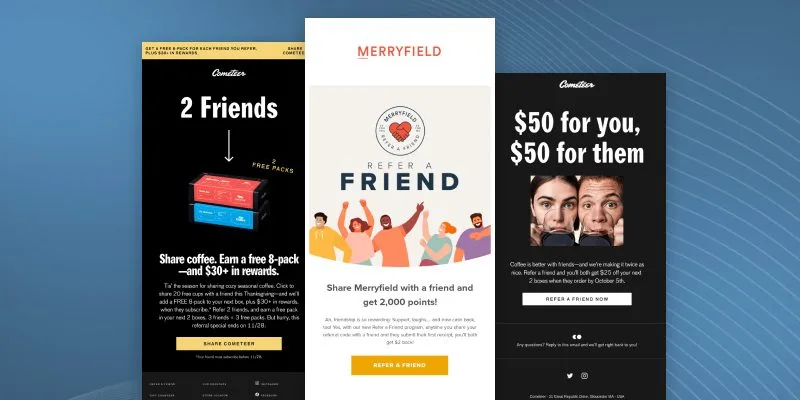
Get your happy customers to spread the word by creating an engaging referral program. Explain the benefits clearly and make it super simple to participate. Share success stories from people who’ve already earned rewards through your program. Use eye-catching visuals to show off the rewards and make the process clear. Keep the focus on how easy it is to earn by sharing with friends.
23. Industry Trend Analysis
Break down what’s happening in your field in a way that actually makes sense. Look at emerging patterns and explain what they mean for your readers. Skip the jargon and focus on practical implications. Share real examples of these trends in action.
Your analysis should help readers understand what changes they need to make in their own work or lives.
24. How-To Guides
Create clear, step-by-step instructions that solve real problems. Pick topics your audience struggles with and break them down into manageable chunks. Include a lot of details but keep the language simple and add tips for common mistakes to avoid. These guides should leave readers feeling confident they can tackle the task themselves.
25. Blog Post Roundups
Pick your best content from the month and package it in an easy-to-digest format. Group posts by theme or topic to help readers find what interests them most. Add a quick summary of each post so people can decide what to read. This helps busy subscribers catch up on what they might have missed.
26. Curated Industry Content
Share the best articles, videos, and resources from around your industry. Add your own take on why each piece is worth reading. Group content by theme or skill level. This positions you as a trusted source of quality information while saving your readers time finding good content themselves.
27. Social Media Highlights
Collect your best social media moments in one place. Feature engaging conversations, customer shoutouts, and popular posts. This works great for followers who might miss things in their busy social feeds. Include fun hashtags or trending topics related to your industry. You’re creating a “best of” collection that shows the dynamic side of your brand.
28. Customer Reviews and Testimonials
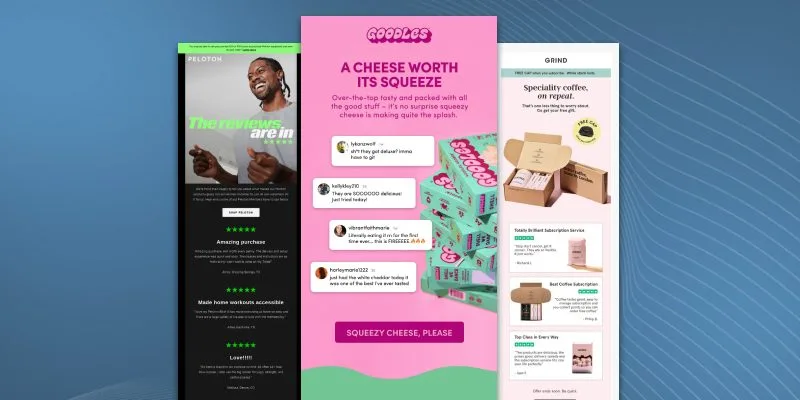
91% of 18-34-year-olds trust online reviews as much as a personal recommendation so put together a collection of genuine feedback from real users.
Mix short quotes with longer success stories and include different perspectives and use cases. This helps potential customers see how others are finding value in what you offer. Always keep it authentic, real experiences resonate more than polished marketing speak.
29. Special Offers and Coupons
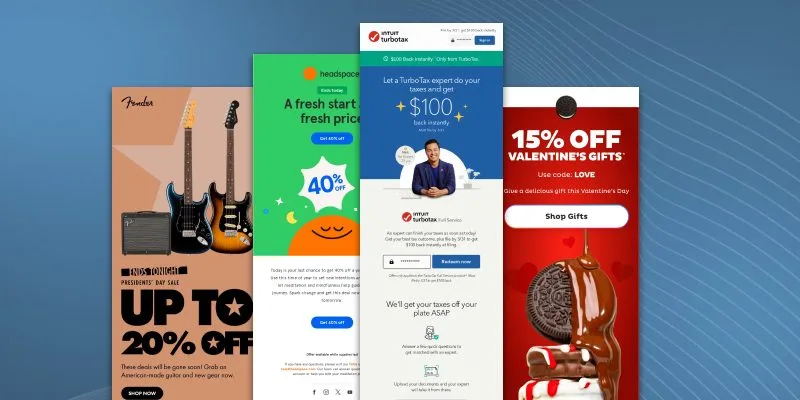
Create exclusive deals just for your email subscribers, make the offer clear and the savings obvious, and add urgency with reasonable time limits. This is a great option for welcome series emails because it helps to reel in new subscribers that just recently joined your marketing newsletter. These offers work best when they’re truly special, something they can’t get anywhere else.
30. Featured Product of the Week
Take a deep dive into one product or service at a time and explain all the features and benefits in detail. Share creative ways to use it,maintenance tips, or best practices. This focused approach helps readers fully understand the value of what you’re offering instead of overwhelming them with too many options at once.
31. Community Member Spotlights
Feature standout members of your community each month and tell their story and what makes them unique. Share their tips and insights for others. This creates a sense of community and gives recognition to your most engaged members. It also shows the diverse ways people are using your products or services.
32. FAQ Sessions
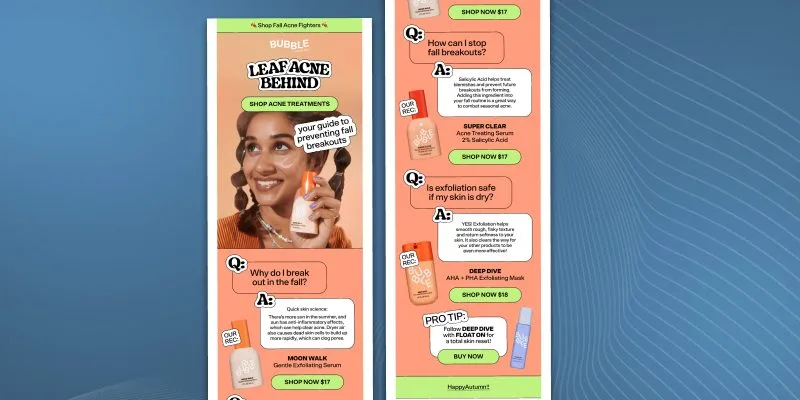
Answer the questions your team gets asked most often. Group questions by topic to make them easy to reference. Include links to more detailed resources when needed.
This helps reduce support tickets while giving readers quick answers to common issues. Update this regularly as new questions come up.
33. Upcoming Event Announcements
Build excitement for future events, whether online or in-person. Share enough details to get people interested but keep some surprises and include early bird pricing or subscriber-only access. Make it clear what value attendees will get from participating. This creates anticipation and helps people plan ahead.
34. Feature Updates and Tutorials
Walk readers through new features or improvements. Show exactly how to use them with clear instructions. Include use cases and examples. This helps adoption of new features and shows you’re constantly improving. Keep the focus on practical applications rather than technical details.
35. Lessons Learned Stories
Share real experiences and what they taught you. Be honest and transparent about mistakes and how you fixed them. Include actionable takeaways others can use. This kind of transparency builds trust and helps readers learn from your experiences. Focus on stories that your audience can relate to and learn from.
36. Monthly Industry Insights
Give your take on what’s happening in your field each month. Focus on changes that actually matter to your readers. Include practical tips for adapting to industry changes. This helps position you as a thought leader while keeping readers informed. Make complex topics accessible and actionable.
37. Team Culture Highlights
Show what makes your workplace special. Share team building activities, celebrations, or volunteer work. This gives personality to your brand and shows the humans behind it. Include candid moments that capture your company values in action. Keep it authentic rather than staged.
38. Award Announcements
Share recognition your company or products have received. Explain what the award means for your customers. Thank your community for their role in your success. This builds credibility while staying humble. Focus on how this recognition helps you serve customers better.
39. Job Openings
Let your community know when you’re growing. Describe roles in an engaging way that shows your company culture. Encourage referrals from your network. This helps attract talent who already know your brand. Include perks and growth opportunities that make your workplace special.
40. Podcast Episode
Highlight key moments from your podcast or ones you’ve been featured on. Pull out valuable quotes and main takeaways but make it super easy to find the episodes directly in the email. This helps grow your podcast audience while providing value in newsletter form. Include timestamps for specific topics discussed.
Let’s say you don’t have a podcast or haven’t been featured on one but you’d like to. You can even express that in your newsletter. You never know who might have connections and a lot of people are looking for successful guests to feature on their podcasts.
41. Quick Tips and Tricks
Share bite-sized advice your readers can use right away and keep each tip focused on something that makes their life better. Audience segmentation is super important at this point because it ensures your tips are actionable and realistic. If you’re spitting information to people who don’t need it, they’re more likely to unsubscribe.
Mix up the topics to keep things fresh, one week might be productivity, the next could be tech shortcuts. These work well because they’re quick to read and implement. Add real examples of the tips in action.
42. Best Practice Guides
Take readers through proven methods that get results. Share what works based on real experiences. Break complex processes into clear steps anyone can follow. Include examples of what good (and not-so-good) looks like. Keep it practical and skip the fluff, your readers want actionable advice they can use right away.
43. Customer Q&A Sessions
Let your customers ask anything they want to know. Pick the most interesting questions and give detailed answers. This creates an open dialogue and shows you’re listening. Mix basic and advanced questions to serve different knowledge levels. Share questions that multiple people are asking to help the most readers possible.
Need help setting up an email campaign? Learn more about our email marketing services at In-box!
44. Data Visualization
Stories Turn numbers into compelling stories with charts and graphs. Make complex data easy to understand at a glance. Pick metrics that actually matter to your readers. Add context to help them understand why these numbers are important. Use visuals that clarify rather than complicate the message.
45. Behind-the-Scenes Product Development
Show how your products come to life. Walk through the design process, testing phases, and decision-making. Share early prototypes and iterations. This gives readers an appreciation for the work that goes into what you make. It also builds anticipation for new releases.
46. Industry Expert Roundups
Gather insights from multiple experts on a single topic. Ask one focused question to get different perspectives. Include a mix of well-known names and fresh voices. This gives readers a broad view of important topics while introducing them to new thought leaders.
47. Success Metrics and Statistics
Share real numbers that show progress and growth. Make it relevant to your readers by focusing on stats that affect them. Include comparisons over time to show trends. This builds trust through transparency while giving readers benchmarks for their own goals.
48. Company Values Stories
Bring your values to life through real examples. Show how you put principles into practice. Share stories of team members living these values. This helps readers understand what you stand for beyond just making sales. Include specific situations where your values guided important decisions.
49. Product Comparison Guides
Help readers make informed choices by comparing different options fairly. Break down features, benefits, and use cases clearly. Include price points and value propositions. This shows confidence in your offerings while respecting that different solutions work for different needs.
50. Customer Feedback
Share what you’re hearing from your community. Include both praise and constructive feedback. Show how you’re responding to suggestions. This demonstrates that you’re listening and taking action. Feature different types of customers and use cases.
51. Industry Research
Present key findings from recent studies and reports. Break down what the research means for your readers. Add your own insights based on experience. This helps readers stay current with industry trends while positioning you as knowledgeable in your field.
52. Collaboration Announcements
Share news about partnerships and joint projects. Explain how working together creates better solutions. Show what’s possible when teams combine their strengths. This builds excitement for new possibilities while showing you’re growing and innovating.
53. Staff Picks and Recommendations
Let team members share their favorite products, tools, or resources. Include personal notes about why they love each pick. Mix practical and fun recommendations. This adds personality while providing valuable suggestions from people who know their stuff.
54. Productivity Tips
Share real ways to work smarter, not harder. Focus on specific actions readers can take today. Include tools and techniques your team actually uses. This helps readers improve their work habits with proven methods. Keep tips practical and easy to implement.
55. Company Challenge
Talk about your progress on big goals or initiatives. Share both wins and setbacks honestly. Include lessons learned along the way. This brings readers along on your journey while showing transparency. Focus on challenges your audience can relate to.
56. Thought Leadership Pieces
Share unique perspectives on industry issues. Take clear stands on important topics. Support your views with experience and evidence. This helps readers think differently about common challenges. Keep it focused on providing value rather than just showing off expertise.
57. Future Trend Predictions
This marketing newsletter idea looks ahead at what’s coming in your industry. Base predictions on current patterns and developments and include real ways that your audience can prepare for the change. Share your email marketing mistakes and how they can avoid them. This helps readers stay ahead of the curve while showing your forward-thinking approach.
58. Visual Story
Features Use photos and graphics to tell compelling stories. Show instead of just telling when possible. Create visual interest while maintaining clarity. This breaks up text-heavy content while engaging visual learners. Include captions that add context and value.
59. Educational Series
Create connected content that builds knowledge over time. Start with basics and progress to advanced topics. Reference previous installments to create a learning journey. This helps readers develop new skills systematically. Include exercises or assignments for practical application.
60. Customer Appreciation
Highlight ways you’re thanking your community. Share special moments and celebrations and include personal touches that show you care. This strengthens relationships while inspiring loyalty.
In fact, having a loyalty program is another great way to show your audience how much you love them. Focus on genuine appreciation rather than promotional messaging.
61. Innovation Updates
Keep readers in the loop about what’s new in your development pipeline. Share the problems you’re trying to solve and your approach to fixing them. Give sneak peeks of works in progress without giving everything away. This builds anticipation while showing you’re always working to improve. Include timelines when possible so readers know what to expect.
62. Seasonal Tips and Advice
Give readers timely help that matches the calendar. Share relevant advice as seasons change or big events approach. Make it practical with specific action items they can use right away. This kind of timely content resonates because it matches what’s already on their minds. Mix evergreen advice with current trends.
63. Problem-Solving Guides
Walk readers through common challenges step by step. Break down complex issues into manageable pieces and share multiple approaches since one size doesn’t fit all. This helps readers tackle tough problems with confidence. Include troubleshooting tips for when things don’t go as planned.
64. Industry News Analysis
Go beyond just sharing headlines, explain what news means for your readers. Add context and background they need to understand bigger trends. Share practical takeaways they can use. This helps busy readers stay informed while understanding what actually matters to them.
65. Community Achievement Spotlights
Celebrate wins from your wider community. Share stories of people doing interesting things in your field. Highlight different types of success to show various paths forward. This inspires others while building a stronger community feeling. Include practical tips others can learn from.
66. Creative Project Showcases
Share interesting projects your team or community is working on. Show the creative process from back to front. Include challenges faced and how they were overcome. This gives readers a look at real work in progress while inspiring their own creativity. Add tips for tackling similar projects.
67. Knowledge-Sharing Series
Create ongoing content that builds expertise over time. Connect related topics to help readers develop deeper understanding. Mix theory and practical application. This helps readers grow professionally while establishing your authority.
Frequently Asked Questions
What content should go in a newsletter?
There’s a lot of things that can go in a newsletter as indicated by this guide of 67 different ideas. The point is to keep it fresh, unique, and full of variety. You know your audience too so what type of content would they enjoy the most?
You have to figure a company selling baby toys would have different messaging than a criminal defense attorney so only you can decide what works best for your audience.
How do you make a newsletter more fun?
You put the words “news” and “letter” together and it doesn’t exactly sound like something you would enjoy reading once or twice a week. This is why it’s important to include fun elements like gamification, quizzes, GIFs, and entertaining things that draw attention and make your emails memorable.
How do I know if my newsletter is performing?
Conversion rates, open rates, click-through rates; there’s all kinds of data. It depends on your objective. If you want people to take an action like buying something from your store, then you need to track the amount of traffic that comes from your emails and converts on the site.
If your goal is to spread brand awareness and you just want people to open the emails then that is considered a successful conversion for you.
Final Thoughts
There’s a million and one ways to do an email newsletter so hopefully this guide of the best marketing email newsletter ideas helps spark up a lightbulb in your brain.
At In-box, we’ve used just about every single one of these and they all work if the strategy, targeting, segmentation, copy, CTAs, and usability are right. There are a lot of factors that go into crafting the perfect email newsletter campaign besides the content and design.
With our help, companies have seen dramatic increases in conversions, open rates, and more. Enquire today to learn more!