What Mailchimp Is (And Isn’t) Built For
Mailchimp is fine if your only goal is to send email blasts to a list.
That’s where its strengths end.
Once you need advanced segmentation, behavioral targeting, or meaningful automations, Mailchimp quickly becomes limiting. It lacks the depth most ecommerce businesses need to build an effective email and SMS marketing strategy, especially when it comes to automating the customer lifecycle.
If your email strategy has evolved beyond “send newsletters,” Mailchimp will eventually hold you back.
What Omnisend Does Better for Ecommerce
Omnisend is designed specifically for ecommerce brands that want to automate intelligently and segment customers based on real behavior. It offers:
- Robust segmentation
- Ecommerce-focused integrations
- Advanced automation and flow logic
- Email and SMS within the same platform
While it doesn’t have every enterprise-level feature of platforms like Klaviyo, Omnisend delivers significantly more functionality than Mailchimp at a much more accessible price point.
Pricing: Similar Cost, Very Different Value
Pricing is often the first reason businesses reconsider Mailchimp.
At around 2,500 to 5,000 contacts, Mailchimp costs roughly $50 per month when paid annually, and it limits how many emails you can send. To access those rates, you’re also pushed into 12-month commitments.
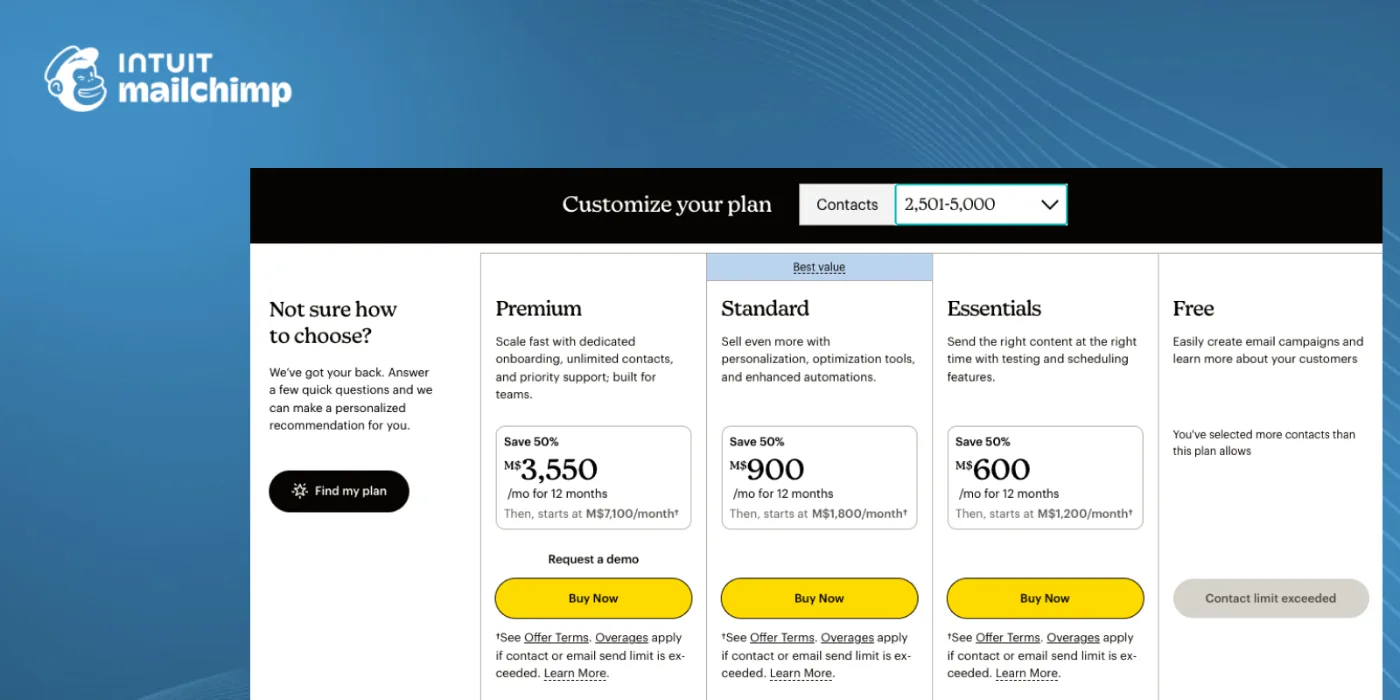
With Omnisend, pricing is comparable at lower list sizes and slightly higher as you scale. However, what you get for that price is substantially different.
Omnisend includes:
- Unlimited email sends
- Built-in SMS marketing
- Stronger automation tools
- Dedicated migration and platform support
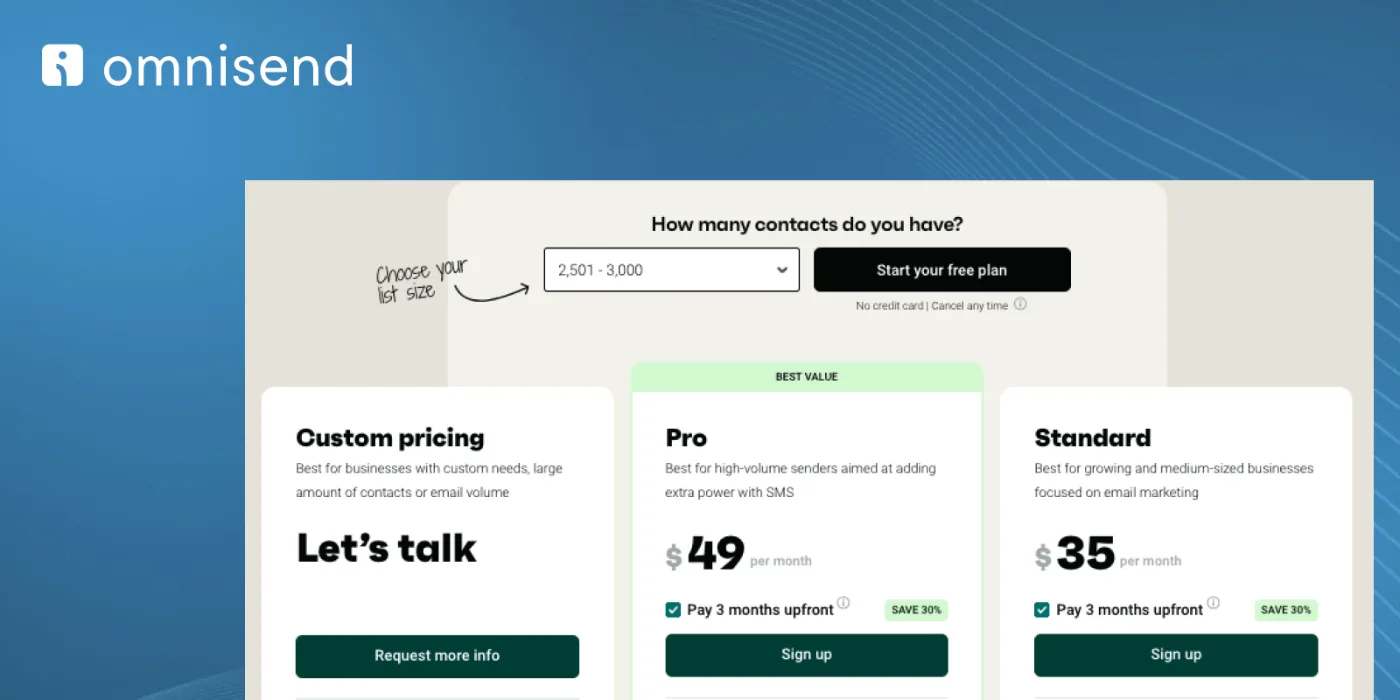
For a small increase in cost at higher contact tiers, you gain far more flexibility and revenue-driving capability.
Automation Is the Real Reason to Switch
The biggest functional gap between Mailchimp and Omnisend is automation.
Mailchimp supports basic abandoned cart and abandoned checkout emails, but customization stops there. Logic, splits, and behavioral conditions are limited.
Omnisend’s flow builder allows you to:
- Split flows based on user behavior
- Segment by purchase history
- Trigger emails based on specific events
- Adjust messaging depending on how a customer enters a flow
This level of automation matters because effective email marketing isn’t just about sending good emails. It’s about sending the right message at the right moment, when someone is most likely to convert.
Segmentation That Actually Drives Revenue
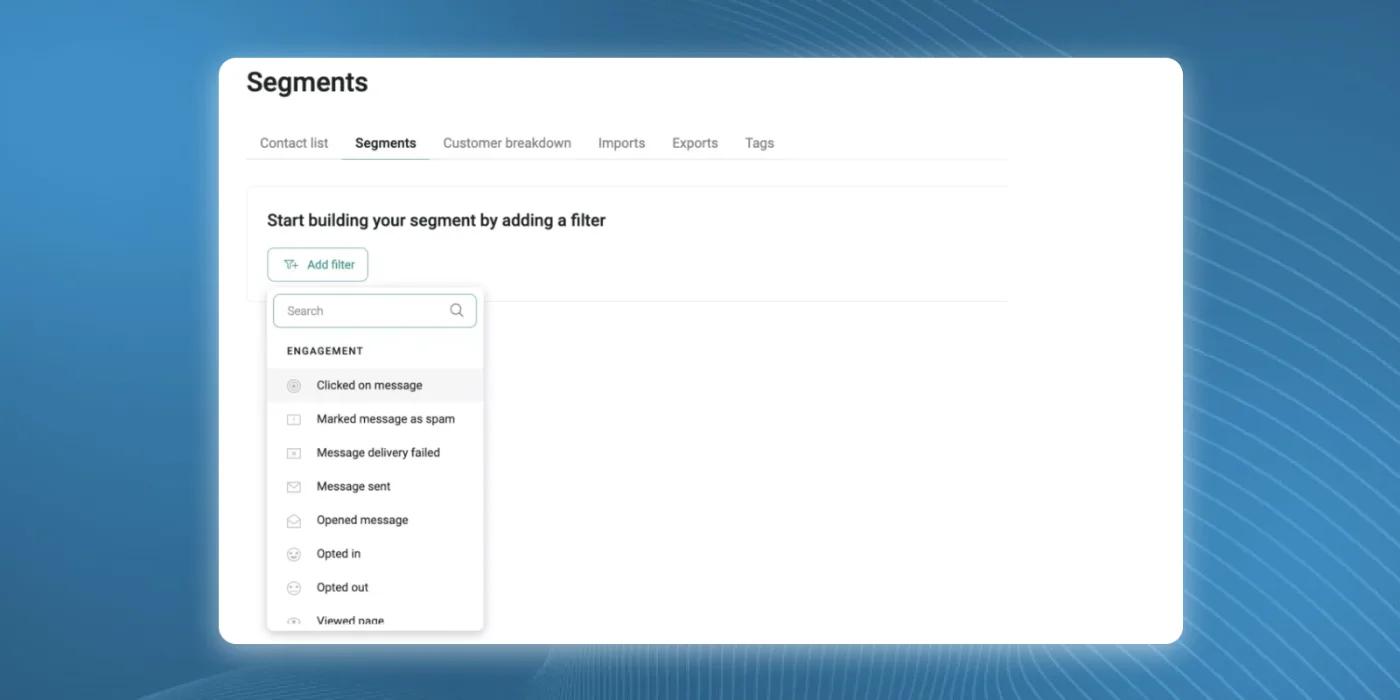
Segmentation is where most email strategies either succeed or fail.
Mailchimp’s segmentation options are limited, which forces businesses into broad, generic messaging. Omnisend allows segmentation based on behaviors such as:
- Products added to cart
- Product collections
- Purchase actions
- Flow entry triggers
This depth allows you to tailor messaging far more precisely, increasing relevance and improving conversion rates without sending more emails.
Migration Support Removes the Friction
One of the biggest reasons businesses delay switching platforms is the fear of migration.
Omnisend provides hands-on migration support. If you reach out to their team, they’ll help you transition from Mailchimp, reducing the time and complexity involved in making the switch.
That support alone can make the decision significantly easier.
Final Thoughts
Deciding whether to move from Mailchimp to Omnisend isn’t just about platforms; it’s about how you want your email and SMS marketing to perform.
If your email strategy consists only of occasional blasts to your entire list, Mailchimp might get you by. But once you want deeper segmentation, smarter automations, and behaviour-based messaging that actually drives conversions, Mailchimp quickly shows its limitations.
Omnisend gives you that next level of functionality without a huge price jump. Between unlimited sends, built-in SMS, robust flows, and migration support, it’s built for businesses that want to turn automated campaigns into real revenue.
So ask yourself:
- Do you want to automate your customer lifecycle effectively?
- Do you want to segment and personalise based on behaviour?
- Do you want more revenue from your email and SMS efforts?
If the answer is yes to any of these, it’s worth considering the move.
For a deeper look at how these platforms compare and how the features work in practice, make sure you watch the full video walkthrough below.