What is an Abandoned Cart Email?
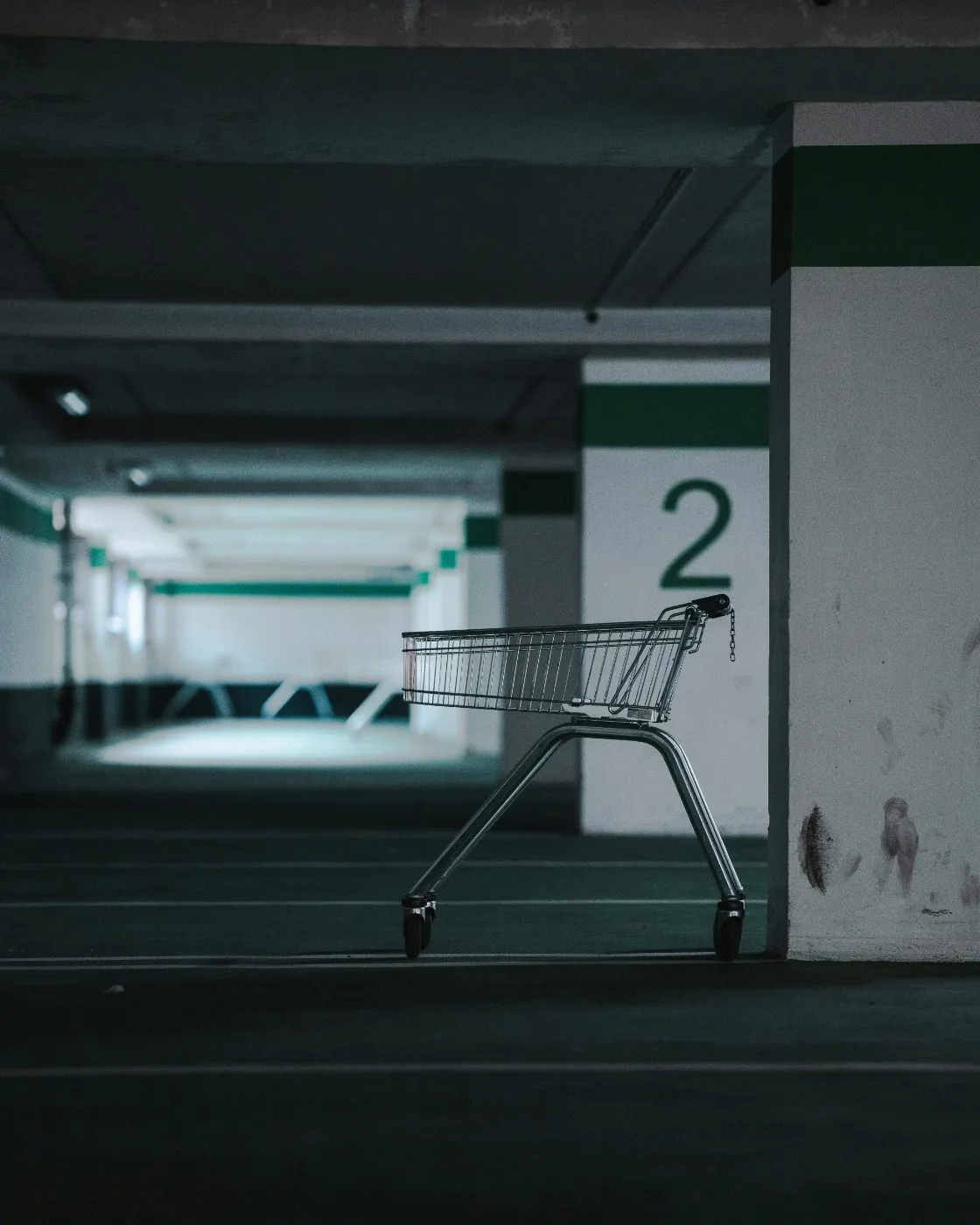
An abandoned cart email is a follow-up message sent to shoppers who’ve added products to their cart but left your site without buying. Think of it as a gentle reminder that says “Hey, you forgot something!”
These emails work because they target people who’ve already shown interest in your products. They’re not cold leads, they’re warm prospects who just need a little nudge to complete their purchase. When done right, abandoned cart emails can recover 10-15% of lost sales.
How to Craft Effective Abandoned Cart Emails
There are many ways to put together an abandoned cart email but some elements are non-negotiable if you want to have success. The following sections cover the most important pieces of a successful email campaign.
Personalization
Generic mass emails don’t cut it anymore. Your customers want to feel like you’re talking directly to them. This means going beyond just using their first name in the subject line.
Real personalization involves:
- Using customer data to segment your audience (first-time vs. returning customers, cart value, product categories)
- Customizing content based on browsing history
- Adjusting offers based on customer loyalty status
- Showing related products that match their interests
For example, if someone abandons a cart with running shoes, you might show them related socks or workout gear. But if they’re a first-time customer, you might also include trust-building elements like reviews or your return policy.
Within personalization is segmentation. You need to have your audience properly segmented if you want to target the right people with the right messaging.
QUIP does this well by personalizing their messaging based on whether someone’s a new or returning customer. New customers get more educational content about their products, while returning customers receive more direct reminders.
Timing and Frequency
Timing can make or break your abandoned cart strategy. Send too early, and you might catch someone who’s still shopping. Send too late, and they might have bought from your competitor.
Here’s a proven sequence that works:
- First email: 1-2 hours after abandonment
- Second email: 24 hours later
- Third email: 48-72 hours later
- Final email: 5-7 days later
Each email should serve a different purpose. Your first email might be a simple reminder, while later emails could include incentives or urgency elements.
Remember to test different timing for your specific audience. Some businesses find that sending the first email within 30 minutes works better, while others get better results waiting 3-4 hours.
Write Compelling Content
Do you know one thing all the best email marketing agencies have in common? They all write great copy.
Your abandoned cart emails need to do more than just remind people about forgotten items. They need to re-engage customers and make them want to come back.
The best content often includes:
- A clear reason why they should return
- Social proof (reviews, ratings, testimonials)
- Details about what’s in their cart
- Helpful product information
- Any relevant policies (returns, shipping, etc.)
Casper does this brilliantly by including customer reviews right in their abandoned cart emails. They know that seeing positive experiences from other buyers can help push someone off the fence.
You’ll also want to keep your tone consistent with your brand voice. If you’re typically playful, don’t suddenly get formal in your cart recovery emails. Beardbrand nails this with their humorous approach that stays true to their brand personality.
Attract With Your Subject Line
Your subject line needs to grab attention in a crowded inbox. Here are some approaches that work well:
“{Name}, you left something behind!” “Your cart is getting lonely…” “Still thinking it over? Here’s 10% off” “Don’t miss out, prices may change soon”
Avoid using spammy tactics or misleading subjects. Instead, focus on being clear and intriguing. Forever 21 keeps it simple with “Still shopping? Here’s what you left in your cart”, straightforward but effective.
Some winning formulas for subject lines:
Personal reminder + item reference Question + benefit Scarcity + timeframe Humor + call to action
Talk About What’s in the Cart
Always remind customers exactly what they left behind. Include:
- Product images
- Product names
- Selected variants (size, color, etc.)
- Quantity
- Price
- Total cart value
Beauty Bay does this effectively by showing clear product images along with all relevant details. They also include “You might also like” suggestions based on cart contents.
Don’t just list the items, remind customers why they were interested in the first place. If they added a winter coat to their cart, mention the upcoming cold weather or highlight the coat’s best features.
Build Out an Abandoned Cart Email Sequence
One email often isn’t enough. A strategic sequence gives you multiple chances to win back the sale. Here’s a proven structure:
Email 1 (1-2 hours after abandonment):
- Friendly reminder
- Cart contents
- Simple call to action
Email 2 (24 hours):
- Show social proof
- Address common objections
- Maybe include a small incentive
Email 3 (48-72 hours):
- Stronger incentive (like free shipping)
- Urgency element
- Final call to action
Keep in mind, there are numerous ways to use email automation to handle this as well. We wrote a full guide on ecommerce email marketing automations to help you here!
Include Strong CTAs
Your call-to-action needs to be clear and compelling. Some effective approaches:
- “Return to cart”
- “Complete your purchase”
- “Continue shopping”
- “Save 10% now”
Make your CTA button stand out visually and place it strategically, usually after reminding customers what they left behind. The Honest Company does this well with bold, contrasting buttons that are impossible to miss.
Why Do People Abandon Their Cart?
Understanding why shoppers leave their carts behind helps you create better recovery emails. These are the main reasons people click away before buying:
Unexpected costs hit them at checkout. Shipping fees, taxes, or handling charges can catch shoppers off guard. If someone balks at these extra costs, your recovery email might offer free shipping to seal the deal.
They’re comparison shopping. Many people add items to carts across multiple sites while researching the best deal. Your abandoned cart emails can highlight your competitive advantages or price matching policies.
Technical issues got in their way. Sometimes it’s as simple as a website timeout or payment processing error. Your recovery emails should make it super easy to pick up where they left off.
They got distracted. Life happens, phone calls, meetings, or kids needing attention. A gentle reminder email can bring them back to complete their purchase.
The checkout process was too complex. If your checkout requires too many steps or forced account creation, people bail out. Your recovery emails should emphasize how quick and easy it is to complete the purchase.
They had security concerns. Shoppers might hesitate to enter payment info on unfamiliar sites. Recovery emails can highlight your security measures and trustworthy payment options.
12 Examples of Abandoned Cart Email Strategy
Let’s look at some of the best abandoned cart emails out there and break down why they work so well.
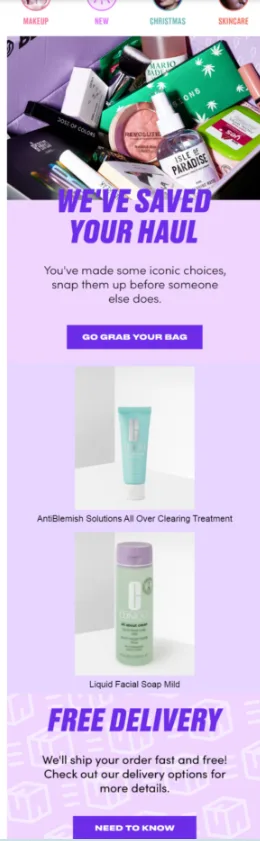
1. Beauty Bay
Subject line: “We’ve saved your bag”
Beauty Bay’s abandoned cart strategy perfectly balances assertiveness with customer service. Their email design reflects their bold, fashion-forward brand while staying laser-focused on recovery.
What stands out:
- The subject line implies they’re doing you a favor by holding your items, rather than pushing for a sale
- Large, high-quality product images showcase exactly what you left behind
- They include real-time stock levels to create natural urgency
- The color scheme matches their website, creating a seamless experience
- Price is displayed prominently but not aggressively
Their smart move: Below the abandoned items, they show “Frequently Bought Together” products that complement what’s in your cart. This not only reminds you why you wanted the original items but presents an opportunity to increase average order value.
2. Casper
Casper’s approach to abandoned cart recovery shows deep understanding of their product’s buying cycle. They know a mattress is a considered purchase, so they focus on removing doubt rather than creating urgency.
Key elements:
- Customer reviews are front and center, featuring real sleep experiences
- They address common concerns about comfort and fit
- The 100-night trial is prominently featured
- Clean, minimal design reflects their brand essence
- Photos show lifestyle benefits, not just product shots
What makes it genius: Instead of discounting, they emphasize their risk-free trial period. This speaks to the real reason people abandon mattress purchases, uncertainty about buying without trying.
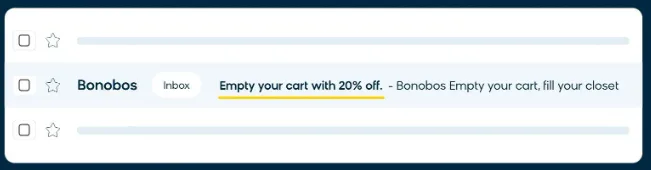
3. Bonobos
Subject line: “Looking good there, complete your look?”
Bonobos brings their signature professional-yet-approachable tone to their cart recovery emails. They understand their target market of style-conscious professionals who appreciate quality and convenience.
Standout features:
- Opens with a personalized size reminder showing they know your preferences
- High-resolution images show multiple angles of abandoned items
- Clear pricing with any applicable discounts already calculated
- Free shipping and returns highlighted prominently
- Ninja-level cross-selling with “Complete the Look” recommendations
The clever part: They include their “Ninjas” customer service contact info, letting shoppers know real humans are ready to help with any questions, a smart touch for their premium positioning.
4. Levi’s
Subject line: “Just a friendly reminder”
Levi’s takes a masterclass approach to cart recovery by combining their heritage brand status with modern ecommerce best practices. Their emails reflect decades of retail experience while speaking to today’s digital shopper.
Standout features:
- Uses their iconic red tab branding subtly throughout
- Shows products on models to help visualize fit
- Includes detailed size guides right in the email
- Lists exact wash and fabric details for each item
- Offers live chat support with denim experts
The smart move: They include their “Find In Store” feature right in the email. If someone’s hesitating about buying jeans online, they can easily check local availability instead of losing the sale completely.
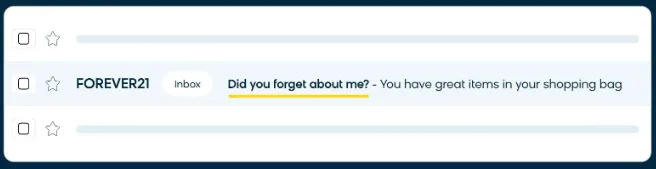
5. Forever 21
Subject line: “Still shopping? Here’s what you left in your cart”
Forever 21 knows their younger, trend-focused audience well. Their recovery emails mirror their fast-fashion approach while adding value beyond just reminders.
Key elements:
- Instagram-style product photography
- Real-time price updates and sale notifications
- “Trending Now” section shows popular alternatives
- Mobile-first design for their phone-focused shoppers
- Quick-add buttons for each item
What makes it special: They include a “Style It With” section showing how to wear the abandoned items. This adds value while potentially increasing cart size.
6. Whisky Loot
Subject line: “Still thinking about it?”
Whisky Loot’s recovery emails show perfect understanding of their product’s consideration cycle. They know whisky enthusiasts research thoroughly before purchasing.
Notable features:
- Tasting notes for abandoned selections
- Expert recommendations based on cart items
- Educational content about whisky regions
- Membership benefits reminder
- FAQ section addressing common concerns
The brilliant bit: They include a “Why Trust Us” section featuring reviews from whisky experts and publications, building credibility in an industry where expertise matters.
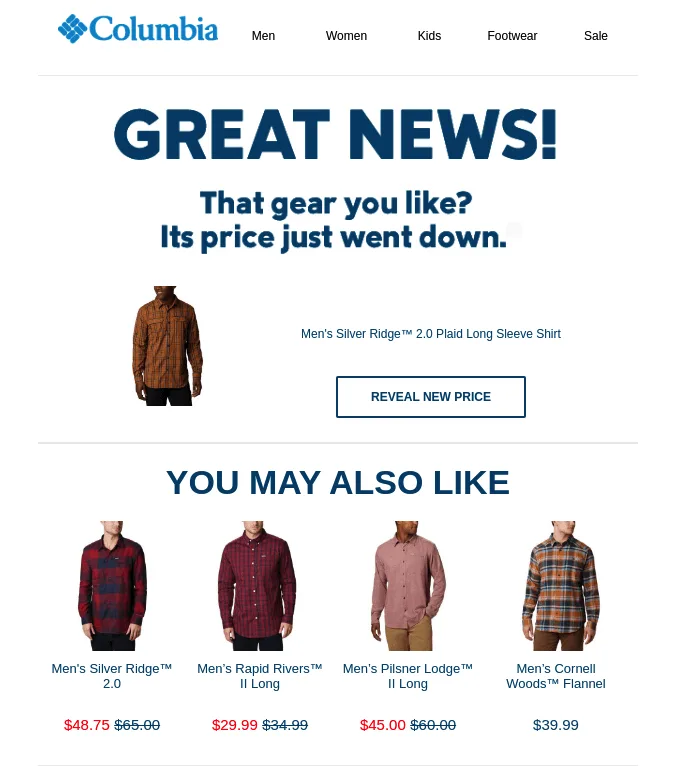
7. Columbia
Subject line: “Price drop alert: Items in your cart”
Columbia combines their outdoor expertise with smart ecommerce tactics in their recovery strategy. They understand the seasonal nature of their products and use it to their advantage.
Key elements:
- Weather-based urgency (“Perfect for the forecast ahead”)
- Technical specs for abandoned items
- Product care instructions
- Related activity-based recommendations
- Size comparison tools
Clever approach: They include local weather forecasts relevant to the gear in your cart, making the need more immediate and personal.
8. Oliver Bonas
Subject line: “Your picks are waiting…”
Oliver Bonas takes personalization to the next level in their cart recovery strategy. Their success comes from understanding their customer segments and tailoring messages accordingly.
Key elements:
- Different messaging for first-time vs repeat customers
- Lifestyle imagery matching customer preferences
- Personalized product recommendations
- Preference center integration
- Clear loyalty program benefits
What sets them apart: They use purchase history to customize the timing of their recovery emails. Weekend shoppers get different timing than weekday browsers, a small touch that significantly improves performance.
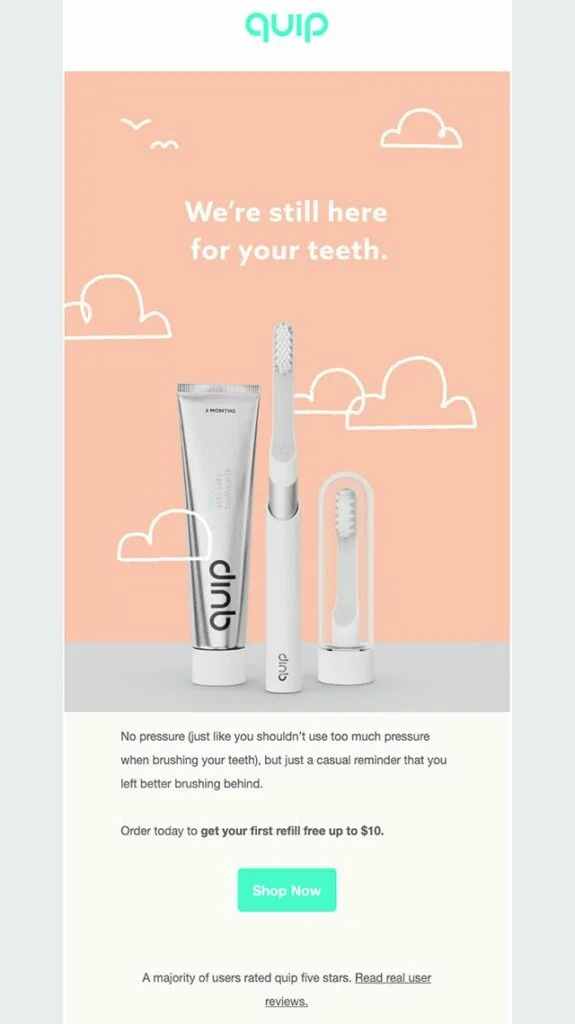
9. QUIP
Subject line: “Ready to level up your routine?”
QUIP’s abandoned cart emails stand out by focusing on the lifestyle benefits of their products rather than just features. They understand that buying oral care products is about forming better habits.
Standout features:
- Educational content about oral health
- Subscription benefits clearly outlined
- Free bonus item offers
- Battery life reminders
- Clear product comparisons
Smart strategy: They include a “Why QUIP?” section that compares their products to traditional alternatives, addressing common objections before they arise.
10. The Honest Company
Subject line: “Time’s running out on your cart!”
The Honest Company masters the art of creating urgency without pressure. Their recovery emails balance premium positioning with practical benefits.
Key elements:
- Clean, eco-friendly messaging throughout
- Bundle savings calculations
- Ingredient spotlights
- Safety certification reminders
- Subscription flexibility highlights
The winning touch: They include their “Honest Promise” in recovery emails, reinforcing their commitment to clean ingredients at a moment when customers might be comparison shopping.
11. Trade Coffee
Subject line: “You’re so close to better coffee”
Trade Coffee excels by speaking to their customers’ desire for a superior coffee experience. Their recovery emails feel more like a coffee expert guiding you than a sales pitch.
Key elements:
- Coffee bean origin stories
- Roast date information
- Brewing method recommendations
- Flavor profile details
- Roaster background information
The brilliant part: They include a “Coffee Match” score showing how well the abandoned items align with your taste preferences from their quiz. This personalized touch reminds customers why they chose these specific beans.
12. Away
Subject line: “Your perfect travel companion is waiting”
Away’s abandoned cart strategy mirrors their premium luggage positioning with sophisticated, travel-focused recovery emails.
Standout features:
- 360-degree product views
- Packing capacity specifications
- TSA compliance information
- Color combination previews
- Real traveler testimonials
Smart approach: They include a “Where will you go?” section featuring destination-specific packing tips relevant to the luggage size in your cart. This taps into the emotional aspect of travel planning while demonstrating product utility.
Final Thoughts
Creating effective abandoned cart emails isn’t just about reminding customers what they left behind, it’s about understanding why they left and addressing those concerns directly. The best examples we’ve looked at show how to:
- Match your brand voice while staying focused on recovery
- Use timing and sequencing strategically
- Personalize without being creepy
- Add value beyond just reminders
- Create urgency without desperation
At In-box, we specialize in crafting abandoned cart strategies that recover lost sales while building stronger customer relationships. Our approach combines data-driven insights with proven email marketing techniques to create sequences that work.
We’ve helped brands increase their cart recovery rates by up to 20% through targeted automation, smart segmentation, and compelling content. If you’re looking to reduce cart abandonment and boost your recovery rates, let’s talk about creating a strategy that works for your unique business.
Remember, every abandoned cart is an opportunity to not just recover a sale, but to create a better customer experience. By learning from these examples and applying the principles we’ve discussed, you can turn cart abandonment from a problem into a chance to strengthen customer relationships and grow your business.