Understanding Lead Nurturing Campaigns
Lead nurturing isn’t just about sending random emails to your list. It’s a strategic process of developing relationships with prospects at every stage of their buying journey. You’ll want to provide value, build trust, and guide them toward making a purchase decision.
It is important to determine what the end game of a specific sequence actually is. For example, a free trial nuter campaign or sequence, is going to be very different from a sequence that comes after the free trial has taken place. Both are lead nurturing campaigns/sequences, but both have different end points in mind. Why does this matter? It comes down to the copy you are writing and type of person you are addressing.
The copy should vary based on where the prospect is in your overall funnel.
Everyone enters your sales funnel at a different point. Some people are ready to buy right away, while others take a little more coercion. For the latter, this is where you need an email nurture campaign to stay fresh in their mind and move them closer to a purchase or whatever your particular end goal is within your funnel/
A well-planned nurture campaign considers timing, relevance, and personalization. Your emails should arrive at the right moment with content that matches where leads are in their journey. This keeps them engaged and moving through your sales funnel.
Is your list a mess, or are you having trouble identifying where someone is within your overall funnel? Consider performing an email marketing audit. We wrote a full guide on how to do it here: https://in-box.co.nz/email-marketing-audit/
Essential Elements of Lead Nurture Emails
Creating effective nurture emails starts with understanding what makes them work. You need compelling subject lines that get opens, engaging content that provides value, and clear calls-to-action that drive results.
Personalization and segmentation plays a big role in successful nurturing. Using a lead’s name, company, or behavior data makes your messages feel more relevant and tailored to their needs, so include this within the subject line as well. Pro tip: subject lines that lead with numbers tend to get better open rates, for example, ‘4 email marketing hacks’ as opposed ’email marketing hacks’
Your timing also needs to be spot-on. Send emails that are not relevant to where the customer is in their journey, you’ll annoy your leads. Send too few, and they might forget about you. Finding the right balance takes testing and monitoring your metrics.
15 Lead Nurture Campaign Examples
1. Welcome Series Campaign
First impressions matter, and a welcome series sets the tone for your entire relationship with new subscribers. These emails see 4x higher open rates and 5x higher click-through rates than standard marketing emails, that’s why smart brands don’t stop at just one welcome message.
A winning welcome series typically spans 4-7 days and includes multiple touchpoints:
- Immediately: Send an immediate thank you email that delivers any promised resources or downloads. Make new subscribers feel appreciated, and let them know what to expect from your emails.
- 12 hours later: Send a follow-up email that reiterates the above offer (or even consider increasing the discount). 90% of your purchases in the welcome series are going to happen in the first 72 hours, which means you need to be in front of your readers as much as possible within that 72-hour window.
- Day 3: Share your brand story and values. This helps create an emotional connection and shows the human side of your business. Include photos of your team or behind-the-scenes content. Try and lean more heavily on the people in the business as apposed to the business itself. People care about people more than they care about a brand.
- Day 5: Provide educational content about your products or services. Focus on solving problems rather than making a hard sell.
- Day 7: Reiterate your offer while highlighting best sellers.
- Day 10: Create a plain text email from the team offering the reader support and checking in to see why they have not used their discount code towards their first order. Keep in mind, plain text means no creative, just text written as if it was an email between two people.
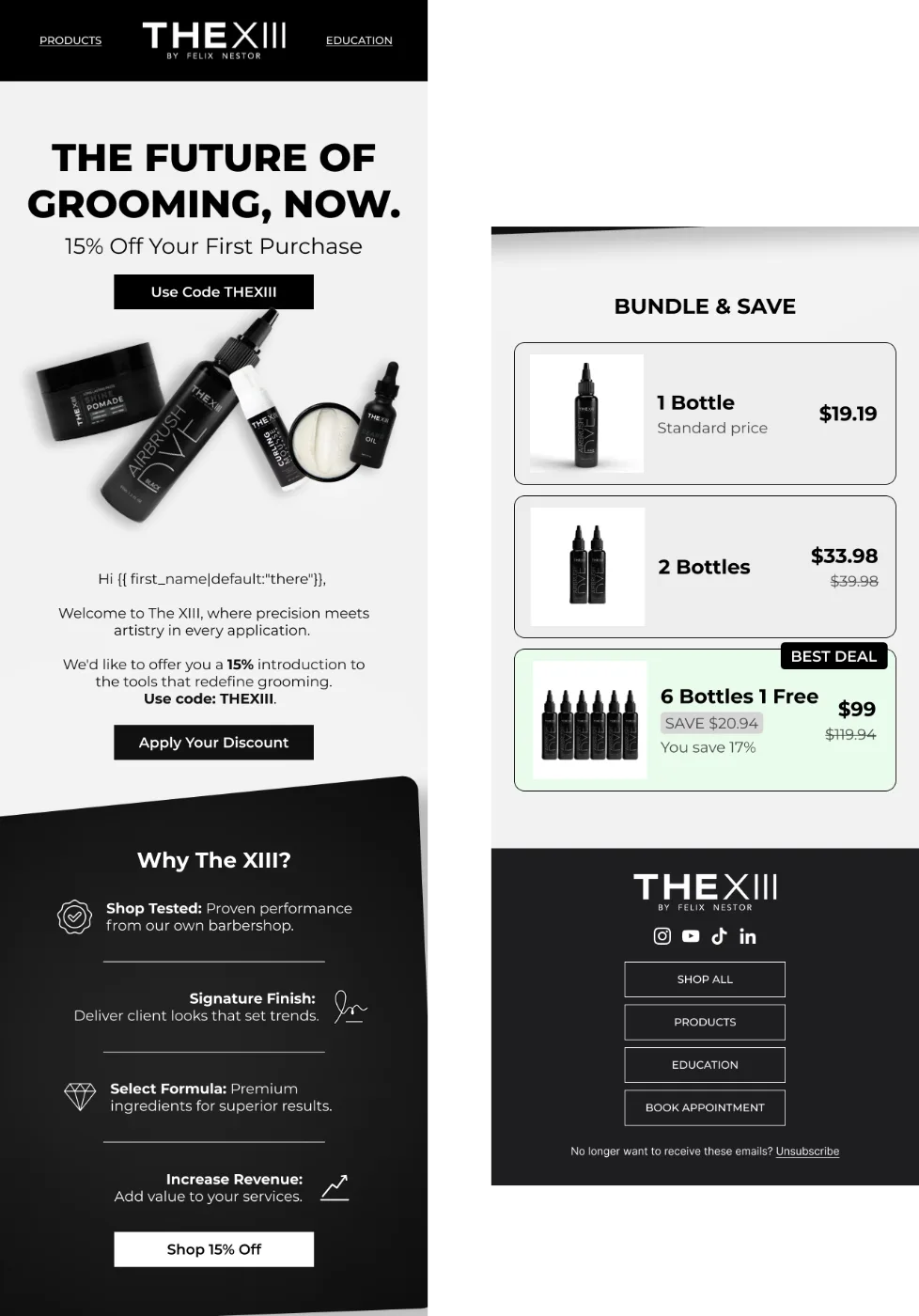
Companies using welcome series see 33% more long-term engagement compared to those sending single welcome emails. Take the XII’s welcome email for example (we designed this), they nail it with a clean design, clear messaging, and an offer of 15% off your next purchase with an exclusive promo code. This welcome email really does everything that is required: clear CTA, clear offer, and a reason to purchase.
2. Educational Content Campaign
Educational emails build trust by helping leads solve real problems. Instead of pushing for sales, these campaigns position your brand as an expert resource.
The key to successful educational campaigns lies in understanding your audience’s pain points. What questions do they have? What challenges do they face? Your content should directly address these issues.
A solid educational sequence might include:
- Industry guides and best practices
- How-to tutorials and tips
- Expert interviews and insights
- Case studies and success stories
- Tool and resource recommendations
Remember, this is one of the main reasons why it’s important to have a clean email list. If you plan to send out educational content, you need to have clear parameters on who will receive the info based on their interests, demographics, and more.
Keep educational content practical and actionable. Your leads should walk away with clear steps they can implement. This builds credibility and keeps them coming back for more insights.

3. Product Introduction Campaign
Introducing your product effectively means focusing on benefits rather than features. You want leads to understand how your offering solves their specific problems.
Start with your product’s main value proposition. Then, break down individual features through a series of emails that show real-world applications. Use customer stories and use cases to make benefits tangible.
A product introduction sequence typically includes:
- Email 1: Overview of main benefits and what makes your product unique
- Email 2: Deep dive into key features with practical examples
- Email 3: Customer success stories and testimonials
- Email 4: Special offer or trial invitation
Apple does this well in their product emails by simply breaking down what the product is, the benefits, and what makes it stand out from the previous model. The modern design and aesthetic is what usually wins Apple product users so they stick with that.
Remember to space these emails out appropriately. Give leads time to digest each piece of information before moving on to the next. This prevents overwhelming them while maintaining steady engagement.
4. Re-engagement Campaign
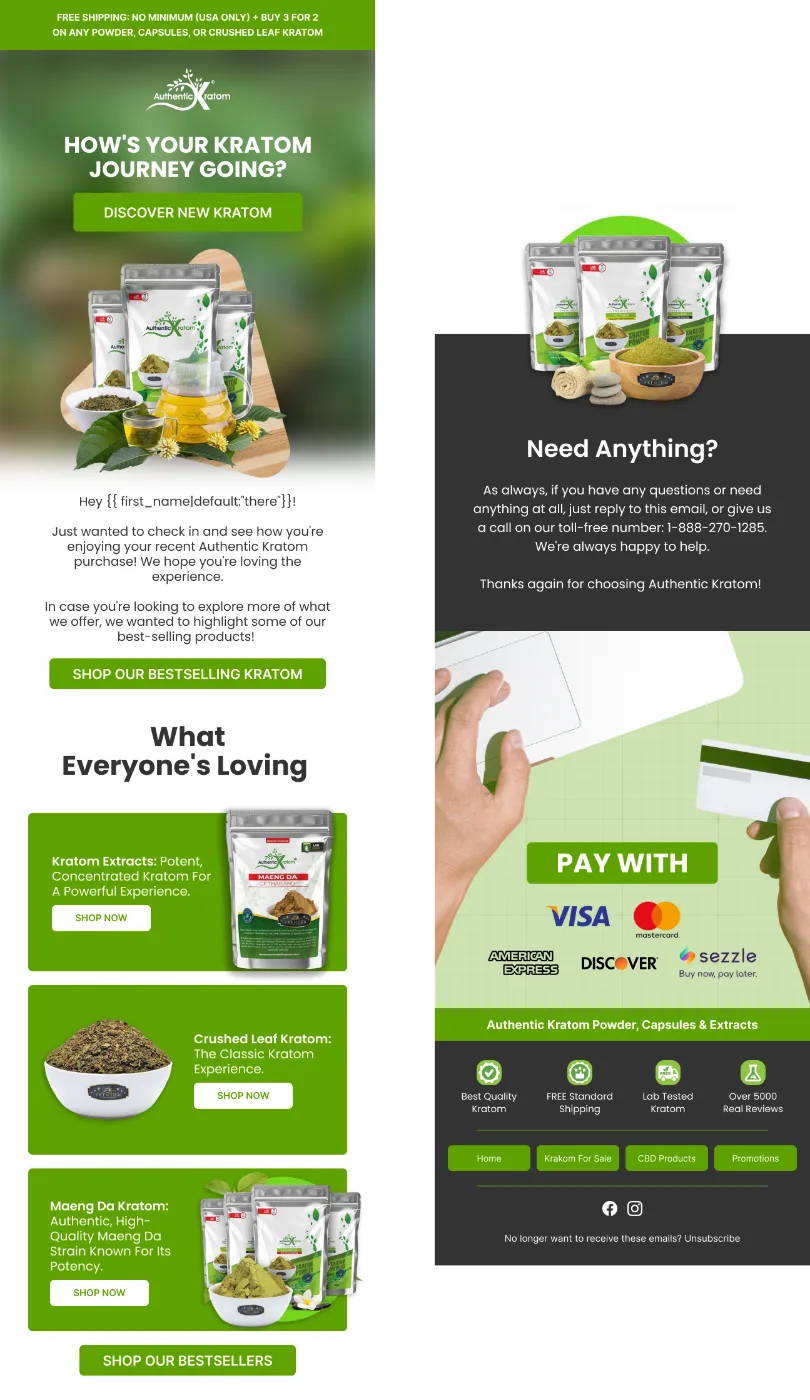
Not every lead stays active, that’s just reality. But you can win back 45% of inactive subscribers with the right re-engagement strategy. These campaigns target leads who haven’t opened your emails or engaged with your content in a while.
A strong re-engagement sequence starts with identifying why leads became inactive. Maybe your content wasn’t relevant enough, or your sending frequency didn’t match their preferences.
American Apparel takes a direct approach with their re-engagement emails. They lead with a compelling 15% discount and keep the message simple: “We miss you. Here’s a reason to come back.” No fluff, just value.
Your re-engagement sequence should:
- Email 1: “We miss you” message with a reminder of your value proposition
- Email 2: Special offer or exclusive discount
- Email 3: Ask for feedback about what content they’d prefer
- Email 4: Final “last chance” message before removing them from your list
This approach helps clean your email list while giving inactive leads a clear path to re-engage with your brand.
5. Customer Success Story Campaign
People trust other people’s experiences more than marketing messages. That’s why customer success stories work so well in nurture campaigns. They show real results and build credibility through social proof.
Your success story emails should tell compelling stories that resonate with leads facing similar challenges. Include specific details, metrics, and quotes to make the stories more authentic and relatable.
This can also be a great abandoned cart email campaign. If someone has a product in their cart but hasn’t checked out, you can show them how their life can change by completing the purchase.
Structure your success story emails with:
- A catchy headline featuring the main result
- The customer’s initial challenge
- How your product helped solve it
- Specific results and metrics
- Direct quotes from the customer
- Clear next steps for interested leads
6. Free Trial Nurture Campaign
Free trials convert best when supported by strategic nurture campaigns. You need to help users get maximum value during their trial period while building momentum toward conversion.
Headspace’s trial nurture sequence shows how to do this right. They start with stress-relief benefits, then guide users through feature discovery with clear, actionable steps.
Your trial nurture sequence might look like:
- Day 1: Welcome and quick-start guide
- Day 3: Feature spotlight and usage tips
- Day 5: Early wins and success stories
- Day 7: Advanced features and pro tips
- Day 12: ROI calculator or value demonstration
- Day 14: Conversion offer
Remember to track trial usage and adjust your messaging based on engagement levels. Some users might need more hand-holding, while others are ready for advanced features.
7. Onboarding Sequence Campaign
Getting users started right sets the foundation for long-term success. Your onboarding sequence should break down complex processes into manageable steps while maintaining momentum.
Provide everything new customers need, from product collections to blog content and social media connections, in a well-structured format. The best email marketing ideas aren’t really unique at all. Just provide value to your list and they’ll return the favor.
An effective onboarding sequence includes:
- Welcome message with next steps
- Product or service setup guide
- Resource library introduction
- Community or support access
- Success milestones celebration
- Regular check-ins and progress updates
Keep the tone encouraging and supportive throughout the sequence. You want users to feel confident they made the right choice in choosing your product.
8. Product Update Campaign
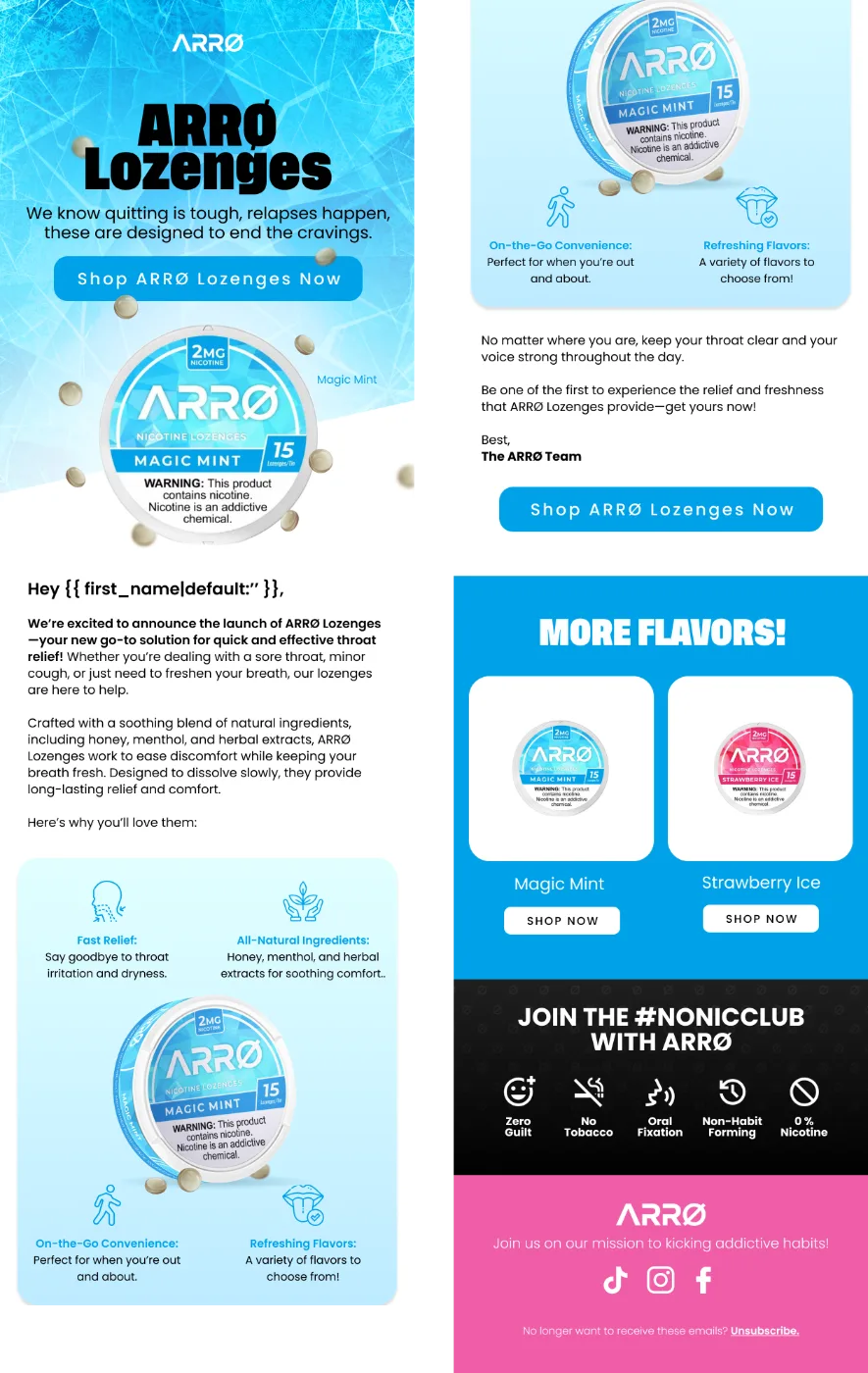
When you launch new features or improvements, your leads need to know about them. Many companies handle this perfectly in their update emails, they don’t just list new features, they show how these updates solve specific user problems.
Your product update sequence should build excitement while educating users:
- Email 1: Teaser announcement with coming soon message
- Email 2: Official launch with key benefits
- Email 3: Tutorial or how-to guide
- Email 4: User success stories with the new features
Mix in screenshots, videos, or GIFs to show the updates in action. This makes the benefits more tangible and helps users picture themselves using the new features.
9. Event Promotion Campaign
Events, whether virtual or in-person, need strategic promotion to drive attendance. Inbound does a cool job in this example of actually re-engaging people who have already attended recently to see if they are interested in presale tickets for the next event. It’s never too early to start thinking about next year!
Start your event promotion sequence early:
- 4 Weeks Out: Save the date announcement
- 3 Weeks Out: Full event details and registration
- 2 Weeks Out: Speaker highlights and agenda
- 1 Week Out: Last chance to register
- Day Before: Final reminder and preparation info
Include social proof like past attendee testimonials or speaker credentials. This builds credibility and shows the value of attending your event.
10. Seasonal Campaign
Seasonal campaigns tap into natural buying cycles and time-sensitive opportunities. The smartest companies leverage this well with a reward program emails tied to specific seasons and holidays.
Plan your seasonal campaigns 6-8 weeks in advance to build proper anticipation. Your sequence might include:
- Email 1: Early preview of seasonal offerings
- Email 2: Special early-bird access
- Email 3: Main promotion launch
- Email 4: Last chance reminder
Use countdown timers or limited-time offers to create urgency. Seasonal emails see 20% higher open rates when sent early in the season rather than last-minute.
11. Customer Feedback Campaign
Feedback helps improve your products and shows customers you value their input.
Structure your feedback campaign carefully:
- Email 1: Initial request explaining the importance of their input
- Email 2: Reminder for those who haven’t responded
- Email 3: Thank you message with next steps
- Email 4: Follow-up showing how you’re using the feedback
Offer incentives for completion, but keep surveys short and focused. This respects your customers’ time while still gathering valuable insights. Note, ensure you have some way of tracking if someone responds so that you can exclude them from future messaging. There is no point in asking them for their feedback 3 times if they already gave it to you in the first email.
12. Loyalty Program Campaign
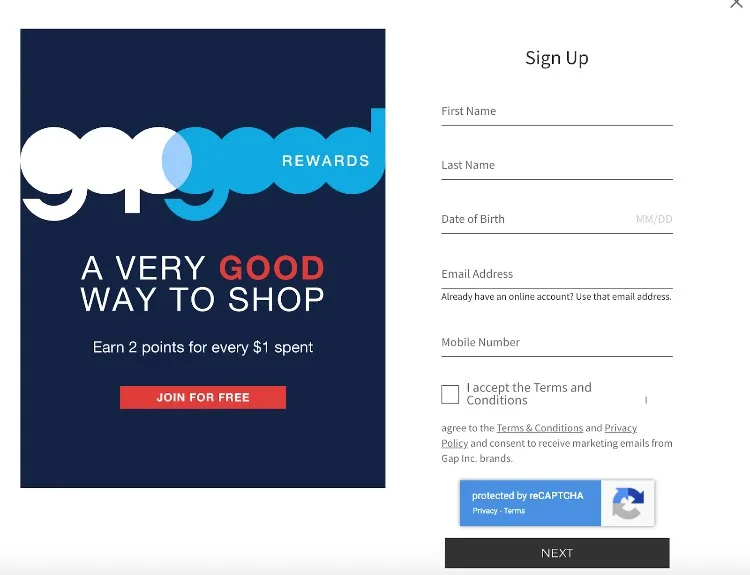
Loyalty programs turn one-time buyers into repeat customers. The Gap’s rewards program emails work because they make earning and redeeming points simple and appealing.
Your loyalty program sequence should educate and excite members:
- Email 1: Welcome to the program with benefits overview. I would recommend triggering this off of an action that first gives someone loyalty points. In some cases, that may be a purchase; in others, it may be simply signing up.
- Email 2: First points earning opportunity. Provide readers with over view of their points balance and explain how they can use the points.
- Email 3: Member-exclusive deals. Highlight the points that balance to the readers and what they can be used towards.
- Email 4: Points balance and redemption options.
Make sure to highlight the unique benefits of membership. As an example the Gap awards 2 points per dollar spent and sends regular updates about point balances and special member-only offers.
If you want, you can space this email out a bunch and add additional emails to the back of it on say, a monthly cycle to make the flow (if you build it as a flow) look like a monthly point balance update.
13. Cross-sell/Upsell Campaign
Existing customers are 50% more likely to try new products than new prospects. Spotify’s premium upgrade campaign demonstrates this perfectly, it highlights clear benefits and makes the upgrade process simple.
Build your cross-sell sequence around customer behavior:
- Email 1: Product recommendation based on past purchases
- Email 2: Special bundle or upgrade offer based on what the customer has already ordered
- Email 3: Success stories from upgraded customers
- Email 4: Last chance for special pricing
Time these emails based on customer engagement and purchase history. You’ll see better results when recommendations feel personalized and relevant. When timing by purchase history, you can determine what the repeat order rate is for a specific product and time the follow-up emails on that repeat order rate. Obviously you will need to create splits prior to these emails splitting people based on the purchase history.
14. Anniversary Campaign
Anniversary emails generate transaction rates 5x higher than standard promotional emails.
Create a year-round anniversary program:
- Email 1: Early reminder about the upcoming anniversary
- Email 2: Special anniversary offer
- Email 3: Follow-up anniversary email. Make sure you add a conditional split before this email to kick people out if they place an order from the previous email.
Include a special offer or discount to make customers feel valued. This strengthens relationships and encourages repeat purchases. The easiest way to set this automation up is to trigger it off of someone placing an order.
15. Industry Expert Campaign
Position your brand as a thought leader through expert content and insights.
Develop your expert campaign sequence:
- Email 1: Industry report or research findings
- Email 2: Expert analysis and recommendations
- Email 3: Case studies supporting your insights
- Email 4: Actionable tips based on the data
Back up your expertise with data and real examples. This builds credibility and trust with your audience. Personally, I love sharing industry news as a way to build up this credibility. Nothing say expert like having a finder on the pulse.
Implementation Strategy
Creating effective nurture campaigns starts with understanding your audience. Map out their journey and identify key touchpoints where they need information or support.
Use email automation to deliver the right messages at the right time. Set up triggers based on subscriber behavior and engagement. This ensures your campaigns stay relevant and timely.
Test different elements of your campaigns:
- Subject lines
- Send times
- Content formats
- Call-to-action placement
- Email design
Track your results and adjust your strategy based on what works best for your audience.
Best Practices for Lead Nurturing
Getting lead nurturing right takes time and testing. Let’s break down what really works to keep your campaigns performing at their best.
Start with clean data and proper segmentation. Different leads need different messages, a one-size-fits-all approach won’t cut it. Break your list into groups based on behavior, interests, and where they are in the buying process.
Your sending frequency matters more than you might think. Don’t make the mistake of overwhelming your list. A good rule of thumb? Start with 1-2 emails per week and adjust based on engagement rates. Some segments might want more frequent updates, while others prefer less communication.
Mobile optimization isn’t optional anymore. Over 60% of email opens happen on mobile devices. Make sure your emails look great and work well on small screens. That means:
- Short paragraphs
- Plenty of white space
- Large, tappable buttons
- Clear, readable fonts
A/B testing shows you what works. Test one element at a time:
Email 1: Different subject lines Email 2: Various send times Email 3: Call-to-action placement Email 4: Content formats
Looking at your metrics helps fine-tune your approach. Pay attention to:
- Open rates
- Click-through rates
- Conversion rates
- Unsubscribe rates
Common Challenges and Solutions
Even the best-planned nurture campaigns face obstacles. Let’s tackle some common issues you might run into.
Low engagement rates often stem from content that doesn’t match your audience’s needs. Fix this by surveying your subscribers about what they want to learn. Use their feedback to create more relevant content.
Content creation bottlenecks slow down your campaigns. Build a content calendar and plan ahead. You might also repurpose existing content into different formats, turn blog posts into email tips or webinars into written guides.
List maintenance takes work but pays off. Remove inactive subscribers after re-engagement attempts fail. This keeps your metrics accurate and your sending reputation strong.
Technical issues pop up from time to time. Common problems include:
- Emails landing in spam folders
- Images not loading
- Links are not tracking properly
Regular testing helps catch these issues before they affect your whole list or effect all your emails across your entire ESP.
Tracking Your Lead Nurture Campaign
You can’t improve what you don’t measure. Set up tracking for key metrics that matter to your business goals.
Focus on conversion rates over vanity metrics. Sure, high open rates look good, but do they lead to sales? Track the entire journey from email open to purchase.
Your analytics should show:
- Revenue per email
- Lead scoring changes
- Sales cycle length
- Customer lifetime value
Use this data to optimize your campaigns. Low-performing emails might need better subject lines or stronger calls to action. Keep in mind, you will need to do tracking across multiple platforms if you are tracking events that happen outside of your ESP.
Future Trends in Lead Nurturing
Email marketing keeps evolving. Stay ahead by watching these emerging trends:
AI helps personalize content at scale. Machine learning can predict the best send times and recommend content based on individual behavior patterns.
Interactive emails engage readers better. Add polls, surveys, or clickable elements right in the email body. This boosts engagement and gives you valuable feedback.
Privacy changes affect how we track email performance. Focus on first-party data and building direct relationships with subscribers.
Voice optimization matters as more people use smart speakers to check email. Keep subject lines and preview text conversational and clear.
Final Thoughts
Lead nurturing works when you put the right pieces together. Start with one or two campaign types and expand as you see results.
Remember these key points:
- Test and measure everything. Your data shows what works for your specific audience.
- Keep content relevant and valuable. Every email should help leads move closer to a purchase decision.
- Stay consistent with your sending schedule. Build trust through reliable communication.
Most importantly, put your leads’ needs first. When you solve their problems and answer their questions, sales follow naturally.
Ready to improve your lead nurturing? Pick one campaign type from this guide and start planning it today. Test different approaches and track your results. You’ll soon find what works best for your audience and business goals.
If all of this seems a bit difficult to manage and track, it’s because it is. This is what we do every day at In-box and we’d be happy to help you set up an effective lead nurture campaign so you can make more money from your list. Enquire today!