1. Not Cleaning/Updating Email Lists Regularly
Your email list is the foundation of your email marketing success. When you let it gather dust, you’re not just wasting money sending to inactive subscribers, you’re actively harming your deliverability rates.
Dead email addresses, unengaged subscribers, and outdated contact information can lead to high bounce rates and poor engagement metrics. This signals to email providers that your messages might not be worth delivering to the inbox.
Set up a regular schedule to clean your list every three to six months. Remove hard bounces immediately, and consider removing subscribers who haven’t engaged with your emails in the past 6-12 months (after a re-engagement campaign, of course). This keeps your list healthy and your metrics accurate.
2. Poor Subject Line Optimization
Your subject line is the first impression you make in the inbox. Too often, businesses either overthink their subject lines or don’t give them enough thought at all. A poor subject line can doom your email to the trash folder before it’s even opened.
The key is finding the right balance between being informative and intriguing:
- Keep subject lines under 50 characters to prevent mobile cutoff
- Use action words that drive engagement
- Create a sense of urgency when appropriate (but don’t overdo it)
- Always make sure your subject line matches what’s inside the email
3. Lack of Segmentation
Sending the same email to everyone on your list is like shouting in a crowded room, you might get some attention, but you won’t be very effective. Different subscribers have different needs, interests, and behaviors. When you don’t segment your list, you miss opportunities to deliver relevant content that resonates with specific groups.
Break your list down by factors like purchase history, engagement level, demographics, or interest areas. This allows you to craft messages that speak directly to each group’s needs and interests. The result? Higher open rates, better click-through rates, and more conversions.
4. Missing Personalization
Email personalization goes way beyond just adding a first name to your greeting. When you skip personalization, you’re missing out on the chance to make real connections with your subscribers. Today’s consumers expect personalized experiences, and generic, one-size-fits-all emails often get ignored.
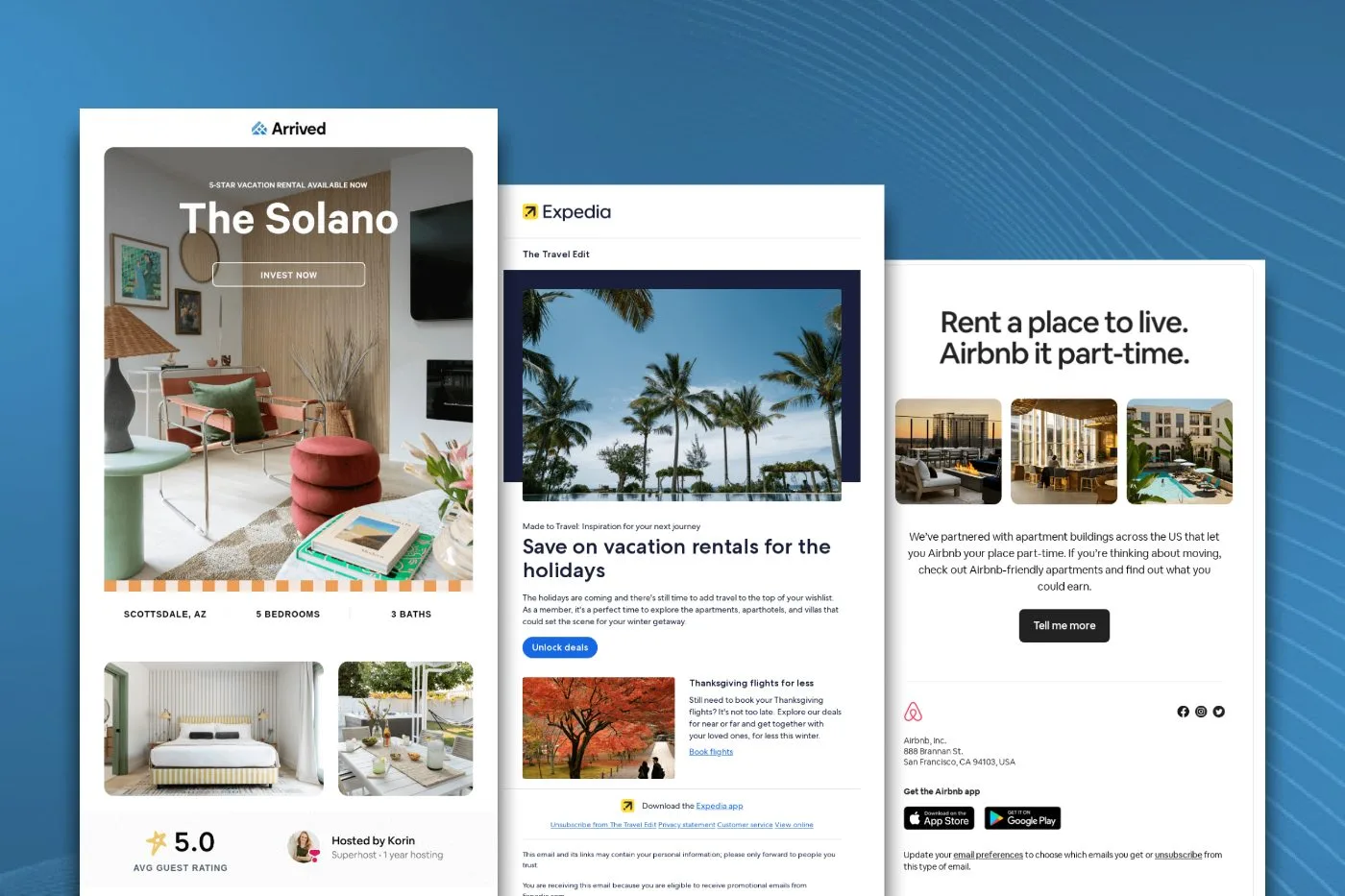
Have a look at some bad email examples you want to avoid.
Use the data you have about your subscribers to personalize content, product recommendations, and even send times. Consider their past purchases, browsing behavior, and interaction history with your brand. The more relevant your emails are to each subscriber, the more likely they are to engage.
5. No Clear Call-to-Action
You can have the best email marketing ideas in the world but an email without a clear call-to-action is like a road to nowhere. Emails with a single CTA increase click through rates by as much as 371%.
If you don’t tell readers what you want them to do next, they’re likely to do nothing at all. Your call-to-action should stand out visually and make it crystal clear what action you want the reader to take.
Limit yourself to one primary CTA per email, multiple competing calls-to-action can confuse readers and reduce click-through rates. Make your CTA button visible, use action-oriented language, and ensure it links to a relevant landing page that delivers on the promise in your email.
6. Sending Too Many Emails
Bombarding your subscribers’ inboxes is a fast track to unsubscribes and spam complaints. 69% of users unsubscribe from email lists specifically because they receive too many emails. According to industry research, here are the optimal sending frequencies:
- B2B companies: 2-4 emails per month shows the best engagement
- B2C retail: 4-8 emails per month is considered optimal
- E-commerce: Can sustain 4-5 emails per week if properly segmented
- Service businesses: 2-3 emails per month maintains good engagement
Monitor your unsubscribe rates and engagement metrics to find the sweet spot for your audience. Consider letting subscribers choose their preferred email frequency, and always make sure each email provides real value rather than just filling a schedule.
7. Not Optimizing for Mobile Devices
With over 60% of emails now opened on mobile devices, failing to optimize for mobile is like turning away more than half your audience at the door. Mobile users have different needs and behaviors than desktop users, and they’re quick to delete emails that don’t display properly on their devices.
Use responsive design templates, keep your layouts simple, and make buttons large enough to tap easily on a small screen. Test your emails across different devices and email clients to ensure a consistent experience for all subscribers.
8. Buying Email Lists
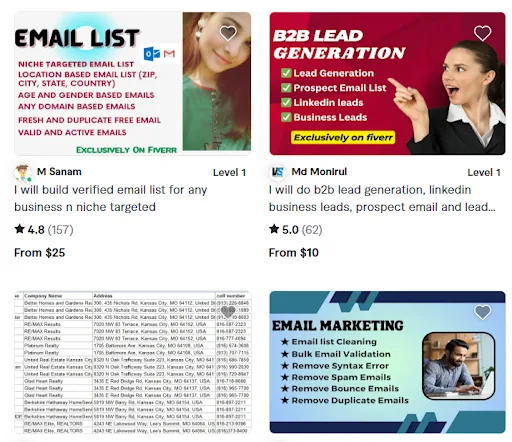
Buying email lists might seem like the shortcut you need to grow your audience but we can almost guarantee it will backfire on you.
These lists usually have outdated or invalid addresses, and the people on them haven’t given you permission to contact them. This leads to high bounce rates, spam complaints, and potential legal issues.
Focus on building your list organically with website sign-ups, content offers, and other legitimate (not scammy) means.
It takes longer… but remember, you own the list you build. These are your leads so treat each one like a potential customer.
9. Not A/B Testing
When you skip A/B testing, you’re missing out on serious insights that could improve your email campaign performance. Testing the right elements of your emails helps you understand what sits right with your audience and what doesn’t. It takes the guesswork out of email marketing.
Test:
- Subject Lines: Length, word choice, personal vs. formal, questions
- Content: Long vs short, different layouts, buttons vs text
- Technical Elements: Send times, mobile vs desktop, from names
- CTAs: Button color, placement, text variations, single vs multiple CTAs
Remember that what works for one audience might not work for another, which is why testing with your specific subscribers is so important.
10. Poor Email Design/Formatting
Your email design is like your digital storefront, it needs to be clean, professional, and easy to navigate. Poor design choices like cluttered layouts, inconsistent branding, or hard-to-read fonts can make your emails look unprofessional and hurt your credibility.
Stick to a clean, branded template that works across different email clients. Use plenty of white space, make your text scannable with headers and short paragraphs, and ensure your branding is consistent with your other marketing materials.
11. Not Tracking Analytics/Metrics
Flying blind with your email marketing is like trying to navigate without a map. When you don’t track your metrics, you have no way to know what’s working and what isn’t. Key metrics like open rates, click-through rates, and conversion rates tell you how your subscribers are interacting with your emails.
Set up proper tracking for all your campaigns and regularly review your metrics. Pay attention to trends over time, not just individual campaign results. Use this data to make informed decisions about your email strategy and content.
12. Ignoring Spam Triggers
Email providers are getting smarter about filtering out spam, and if you’re not careful, your legitimate marketing emails could get caught in the net. Common spam triggers include excessive punctuation, all caps, certain words and phrases, and too many images with little text.
Review your content for potential spam triggers before sending. Use tools to check your spam score, and keep your HTML code clean. Remember that engagement metrics also play a role in spam filtering, another reason to maintain a clean, engaged list.
13. Missing Unsubscribe Button
Making it difficult for people to unsubscribe isn’t just poor practice, it’s illegal in many countries. When subscribers can’t easily opt out, they’re more likely to mark your emails as spam, which can seriously damage your sender reputation.
Place your unsubscribe link where it’s easy to find, typically in the footer of your email. Make the process simple and honor unsubscribe requests promptly. Consider offering an email preference center where subscribers can choose to receive fewer emails instead of unsubscribing completely.
14. Using ALL CAPS in Subject Lines
Writing subject lines in all caps is like shouting at your subscribers. Not only does it look unprofessional, but it’s also a common spam trigger that can send your emails straight to the junk folder. Using all caps might seem like a way to stand out in the inbox, but it usually backfires.
Focus on writing compelling subject lines that create interest without resorting to gimmicks. Use title case or sentence case, and let your content speak for itself. The goal is to intrigue subscribers, not overwhelm them.
15. Not Sending Welcome Emails to New Subscribers
The welcome email is your chance to make a great first impression, and missing this opportunity is a big mistake. Welcome emails typically have higher open rates than regular marketing emails because subscribers are expecting to hear from you.
Create a welcome series that introduces new subscribers to your brand, sets expectations for future communications, and provides immediate value. This is your chance to start building a relationship with your new subscribers while their interest is at its peak.
16. Poor Timing of Email Sends
Sending emails at the wrong time can significantly impact your open rates. What counts as the “wrong time” depends on your audience, B2B emails might perform better during business hours, while B2C emails might do better in the evening or on weekends.
Test different send times and days to find what works best for your audience. Consider your subscribers’ time zones, and use your email platform’s send time optimization features if available. The goal is to reach people when they’re most likely to be checking their email and have time to engage with your content.
17. Not Verifying Email Addresses
Research shows timing can affect open rates by up to 20-30%.
Sending emails to unverified addresses is like throwing darts in the dark. You risk high bounce rates, which can damage your sender reputation and waste your email marketing budget. Unverified email addresses might be mistyped, fake, or abandoned.
Use double opt-in to verify new subscribers, and regularly clean your list to remove invalid addresses. Consider using email verification services before sending to new subscribers or after a long period of inactivity.
18. Little to No Automation
Email automation is like having a marketing team that works 24/7. When you’re not using automation, you’re missing opportunities to engage with subscribers at key moments in their journey. This includes welcome series, abandoned cart reminders, birthday emails, and re-engagement campaigns.
Start with basic automation workflows and expand as you get comfortable. Focus on key customer touchpoints where automated emails can add value. Remember that automation should feel personal and relevant, not robotic.
19. Inconsistent Sending Schedule
When your sending schedule is erratic, subscribers don’t know when to expect your emails. This can lead to lower engagement rates as people forget about your brand between communications. A consistent schedule helps build habits and expectations.
Create a content calendar and stick to it. Whether you send weekly, bi-weekly, or monthly, maintain that rhythm. If you need to change your frequency, communicate this to your subscribers so they know what to expect.
20. Using Spammy Language
Certain words and phrases can trigger spam filters or turn off readers.
Here are some spammy words to avoid:
- Free
- Guarantee/Guaranteed
- Limited time
- Act now
- Buy now
- Order now
- Click here
- Save up to
- Special offer
- Don’t delete
- Once in a lifetime
Focus on writing clear, straightforward copy that emphasizes value rather than urgency or hype. Avoid excessive punctuation and sensational language. Let your products or services speak for themselves without resorting to pushy sales tactics.
21. Not Following Email Regulations
Ignoring email marketing regulations like GDPR and CAN-SPAM isn’t just risky, it can result in significant fines. These laws exist to protect consumers and set standards for commercial email practices. Non-compliance can damage your reputation and your bottom line.
Stay informed about email marketing laws in your regions of operation. Ensure you have proper consent before sending emails, maintain accurate records, and include required information in your emails like your physical address and clear unsubscribe options.
22. Not Testing Emails Before Sending
Sending emails without testing is like publishing a book without proofreading. Broken links, missing images, formatting issues, and typos can make your brand look unprofessional and reduce the effectiveness of your campaigns.
Send test emails to multiple email clients and devices before launching a campaign. Check all links, preview images, and review your content one final time. Consider having a second pair of eyes review important emails before they go out.
23. Heavy Image Usage/Large File Sizes
While images can enhance your message, too many images or large file sizes can cause loading issues, especially on mobile devices. Some email clients block images by default, which means image-heavy emails might not convey your message effectively.
Keep your image-to-text ratio balanced. Optimize images for email, and always include alt text. Make sure your message makes sense even if the images don’t load. Consider using a mix of HTML text and images for better deliverability.
24. No Re-engagement Campaigns
Writing off unengaged subscribers without trying to win them back is a missed opportunity. These subscribers once showed interest in your brand, and some might just need a reminder of why they signed up in the first place.
Create targeted re-engagement campaigns for subscribers who haven’t opened your emails in a while. Offer something of value, ask for feedback, or simply check if they still want to hear from you. Remove those who don’t respond after your re-engagement attempts.
25. Poor List Building Practices
Growing your email list the wrong way can hurt your long-term success. This includes using unclear opt-in language, hiding subscription checkboxes, or adding people without their explicit consent.
Focus on quality over quantity when building your list. Use clear opt-in forms, explain what subscribers will receive, and consider offering a valuable lead magnet. Make sure your subscription process sets clear expectations about email frequency and content.
26. Unclear Sender Information
When subscribers don’t recognize who an email is from, they’re likely to delete it or mark it as spam. Using different sender names or generic addresses like “noreply@” creates confusion and reduces trust.
Use a consistent, recognizable sender name and email address. Consider using a real person’s name along with your brand name if appropriate. Make it easy for subscribers to reply to your emails if they have questions.
27. Not Having a Content Strategy
Sending emails without a clear content strategy is like taking a road trip without a map. You might eventually get somewhere, but the journey won’t be efficient. A lack of strategy often results in inconsistent messaging and poor engagement.
Develop a content calendar that aligns with your business goals. Mix promotional content with valuable information, educational content, and relationship-building messages. Plan your content around dates and timelines that mean something to your subs.
28. Sending Only Promotional Content
If every email you send is trying to sell something, subscribers will quickly tune out. People subscribe to email lists for a bunch of different reasons, and constant promotion can lead to email fatigue and unsubscribes.
Follow the 80/20 rule, 80% valuable content, 20% promotional.
Share industry insights, helpful tips, company news, and other content that adds value without asking for a purchase. When you do promote, your subscribers will be more receptive.
29. No Email List Maintenance Plan
One of the smartest things a business can do with their email marketing is plan and expect the worst at all times.
Have a plan for maintaining your list including when you’re going to clean it up, update, and segment. How will you handle bouncing if it occurs? How will you handle unsubscribes? Be proactive and flexible.
30. Poor Email Deliverability Management
Deliverability issues can destroy your email marketing, but still, many businesses don’t actively monitor or manage their deliverability. Poor deliverability means your emails aren’t reaching inboxes, regardless of how awesome your content or offer is.
Monitor your sender reputation, bounce rates, and spam complaints. Maintain good list hygiene, authenticate your sending domain, and follow email best practices.
Final Thoughts
Email marketing mistakes can be costly, but they’re also preventable. By addressing these common issues in your email marketing strategy, you can improve your results and build stronger relationships with your subscribers. Remember that email marketing is an ongoing process of testing, learning, and refining your approach.
If you’re ready to evaluate your current campaigns, check out our Email Marketing Audit Checklist and Resources to systematically identify what’s working, and what needs improvement.
Need help avoiding these common email marketing mistakes? At In-box, we specialize in creating and managing effective email marketing campaigns that drive results. Our team can help you implement best practices and avoid these pitfalls while maximizing your email marketing ROI.