Diagnosing the Baseline at 10% Email Revenue
When we audit a new ecommerce account, the first step is understanding where the revenue is actually coming from. In a recent account we took on, the store was generating $57,000 in monthly revenue, but only 10% of that total came from email marketing. For an established direct-to-consumer store, that is leaving serious money on the table.
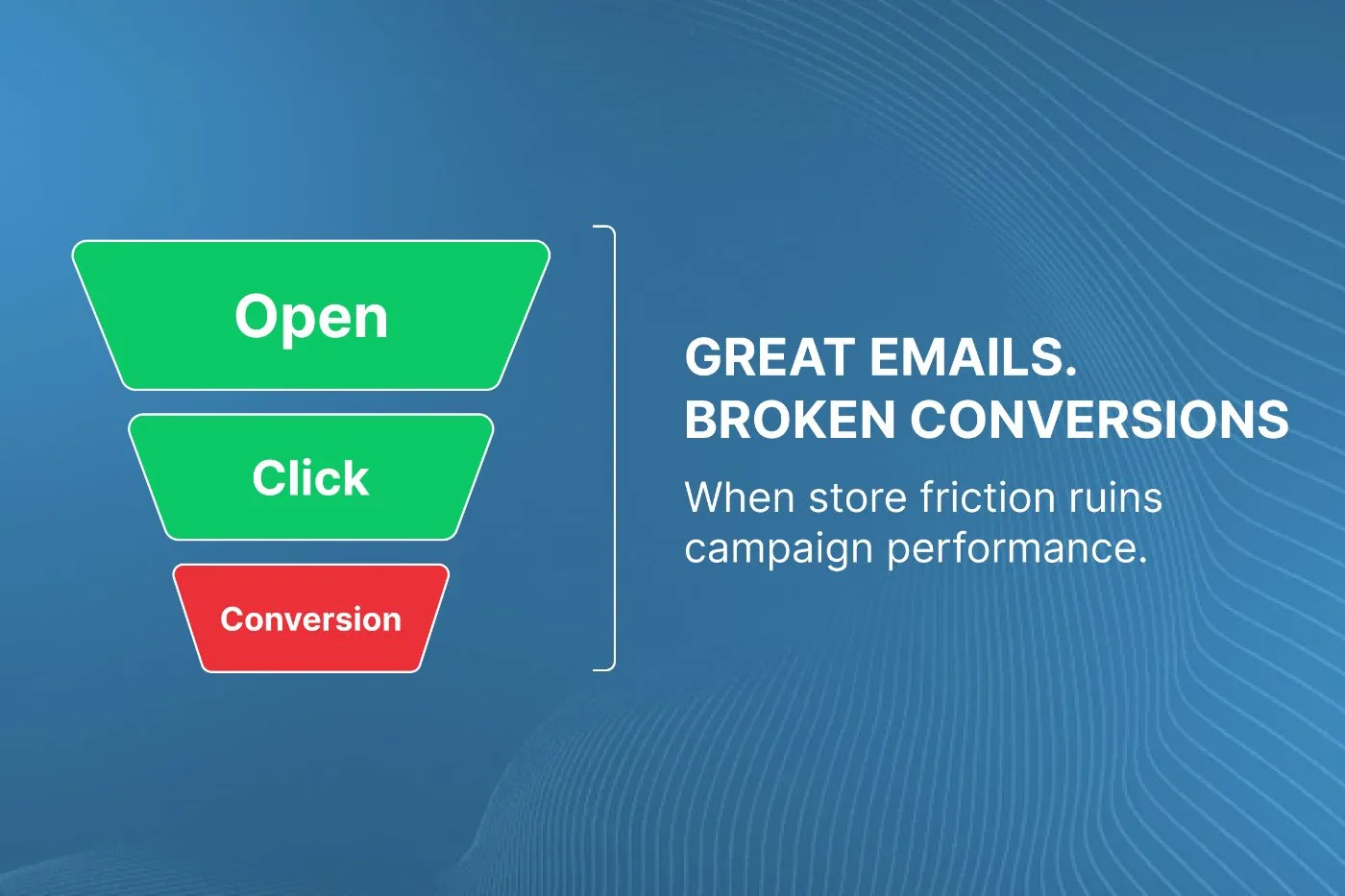
A healthy ecommerce store should generate between 25% and 35% of its total revenue directly from Klaviyo. Looking closely at their attribution, the majority of that 10% came from sporadic, unsegmented campaigns while their core automations were barely ticking over. That immediately tells me two things: their automated flows have massive functional gaps, and their campaign calendar lacks consistency.
Our objective over a 90-day window is straightforward. We want to push that email revenue share from 10% past the 30% benchmark without relying on margin-killing site-wide discounts. To do that, you need a disciplined, phased roadmap rather than trying to fix every single flow in week one.
Fixing High-Leverage Sign-Up Form Mistakes
Your automations are only as good as the top of your funnel. If your sign-up forms convert at 1.5% instead of 4% to 6%, every automated sequence downstream is starved of new subscribers. When I audited this client's active form, I spotted three immediate structural errors that cripple conversion rates.
- Asking for SMS on step two without context: Forcing mobile numbers too early creates immediate friction and spikes bounce rates.
- Missing legal disclosure: Failing to include explicit consent language creates compliance issues and hurts inbox placement.
- No direct CTA button to auto-apply discounts: Making people copy and paste voucher codes creates unnecessary checkout drop-off.
Sign-up forms represent one of the highest leverage opportunities in any Klaviyo account. We prioritise rebuilding these in month one, integrating zero-party data collection (such as product preferences or intent) so we can personalise the downstream welcome sequence from day one.
The 90-Day Automation Priority Roadmap
Trying to rebuild twelve flows at the same time is a mistake. It burns resources and delays revenue. Instead, we divide the automations into three distinct 30-day sprints based on their direct impact on immediate cash flow.
Month 1: Abandonment Flows
The fastest path to revenue is capturing high-intent shoppers who are already trying to buy. In month one, we focus entirely on rebuilding the Abandoned Cart and Abandoned Checkout flows. In this account, neither flow separated existing customers from non-customers.
Non-customers need brand trust, social proof, and objection handling. Existing buyers already trust your shipping and quality; they just need a quick reminder or a gentle incentive to finish the purchase. Treating those two audiences identically wastes margin.
Month 2: Top-of-Funnel Conversion
Once cart abandonment is locked down, we move to the Welcome Series and Browse Abandonment. In this account, the active welcome series was only two emails long. That is far too short to introduce brand USPs, founders' stories, bestsellers, and customer reviews. We expand this sequence to five or six targeted touches based on the preference data collected at sign-up.
Month 3: Retention and Lifetime Value
The final phase tackles post-purchase upsells, cross-sells, customer thank you sequences, and sunset or winback automations. Here's the thing: acquiring a customer is expensive, but getting a second order 30 to 60 days later is where real profitability lives. We engineer multi-step post-purchase flows designed specifically to lift 90-day repeat purchase rates.
Standardising Email Design with Master Templates
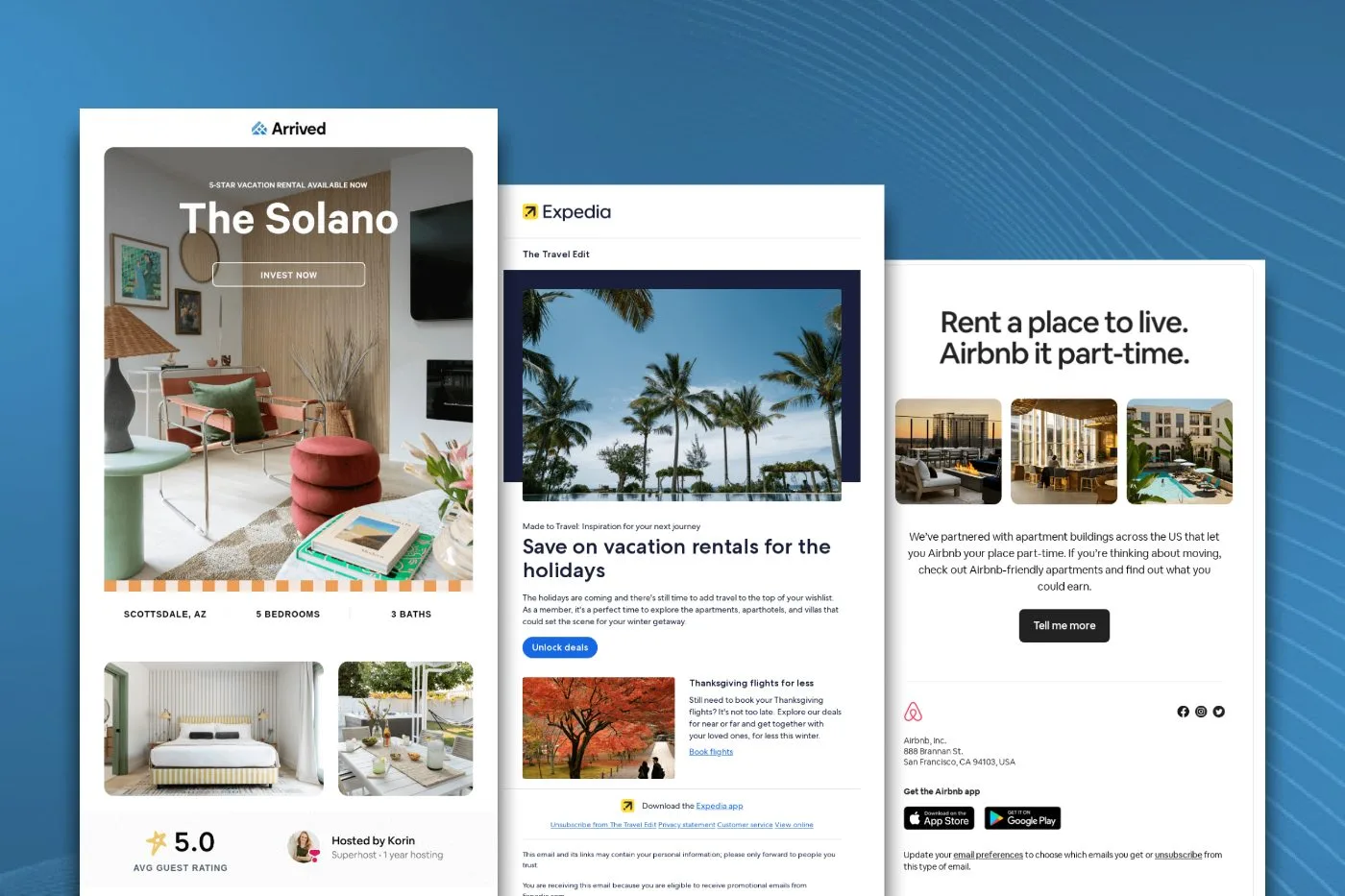
One of the biggest bottlenecks for any brand is the creative review process. If you design every campaign from a blank canvas, production takes days instead of hours. During the first week of onboarding, we build three distinct master Figma design templates customised to the brand's aesthetic.
The brand selects their preferred visual direction, and that approved layout becomes the design system for all future flows and campaigns. This cuts creative approval times down to roughly 3 to 4 days per batch. It ensures visual consistency, mobile-optimised hierarchy, and readable typography across both iOS and Android mail clients.
Structuring the Campaign Calendar Around Key Dates
You cannot scale email revenue on flows alone; consistent, targeted campaigns are the other half of the equation. We establish a regular sending rhythm from week one, auditing upcoming commercial milestones, product launches, and seasonal promotional dates.
Instead of blasting the full list every time, we segment based on engagement recency. We send primarily to a 30-day engaged segment, expanding out to 60 or 90 days only for major product launches or high-intent promotional days. This protects deliverability while maximising revenue per recipient.
Final Thoughts
Scaling email revenue from 10% to 30% is not about luck; it is about systematic execution. By fixing sign-up forms first, prioritising high-intent abandonment flows in month one, and establishing a structured design system, you build a foundation that compounds over time. Week one is about setting the strategy right so the next 90 days deliver predictable, profitable returns.
If you want a clear view of the hidden revenue opportunities inside your Klaviyo account, take a look at our Klaviyo account audit to see exactly where your flows and forms are leaving money on the table.